


Is Your Baby Overheating? The "Neck Check" Rule.
Share
The Midnight Panic: Is My Baby Too Hot or Too Cold?
Every new parent has experienced that 2:00 AM moment of pure anxiety. You sneak into the nursery, watching the rhythmic rise and fall of your little one's chest, and suddenly a wave of worry hits: Are they dressed appropriately? You reach out and touch their tiny hand—it feels chilly. You touch their toes—they are cold to the touch. Your instinct is to grab another heavy blanket or turn up the thermostat, but wait. This common reaction might actually be putting your baby at risk. Overheating is a significant factor in Sudden Infant Death Syndrome (SIDS) and can lead to heat rash, dehydration, and restless sleep. The struggle is real: how do you keep them safe and comfortable when their own body temperature seems so hard to read?
Why Hands and Feet are Liars
The biggest mistake parents make is judging a baby's core temperature by their extremities. Because a newborn's circulatory system is still developing, blood flow is prioritized for vital organs rather than hands and feet. This means a baby can have perfectly normal core warmth while their fingers feel like little ice cubes. If you over-layer based on cold hands, you risk trapping too much heat around their heart and lungs. This agitation of the body's natural cooling process is exacerbated by cheap, synthetic materials like polyester or thick fleece. These 'plastic-based' fabrics do not breathe; they act like a sauna suit, trapping moisture and heat against the skin, leading to a sweaty, overheated, and deeply uncomfortable infant who cannot yet tell you they are in distress.
The Solution: Mastering the 'Neck Check' Rule
Instead of guessing, use the 'Neck Check' rule—the gold standard for pediatric temperature monitoring. Simply slip two fingers down the back of your baby's neck or onto their chest. This reflects their true core temperature. If the skin feels warm and dry, your baby is perfectly fine. If the skin feels hot, damp, or sweaty, they are overheating and you should remove a layer immediately. If the skin feels cold to the touch in these core areas, then and only then should you add a breathable layer. To make this rule foolproof, the quality of what your baby wears is just as important as the check itself.
The Power of Organic Cotton
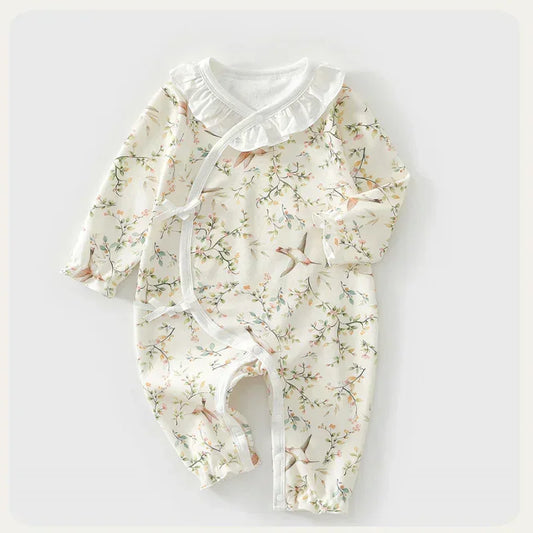
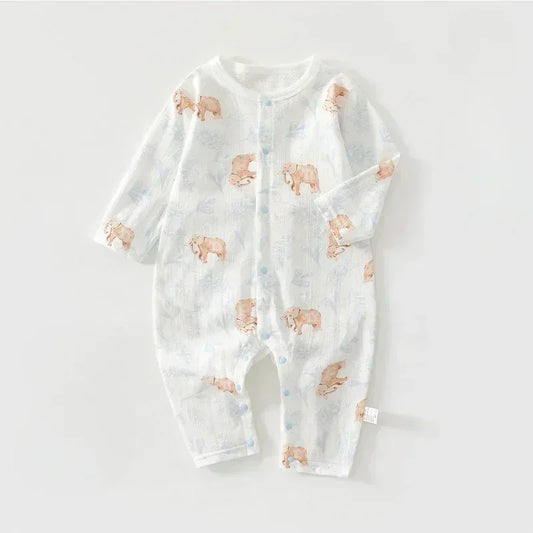
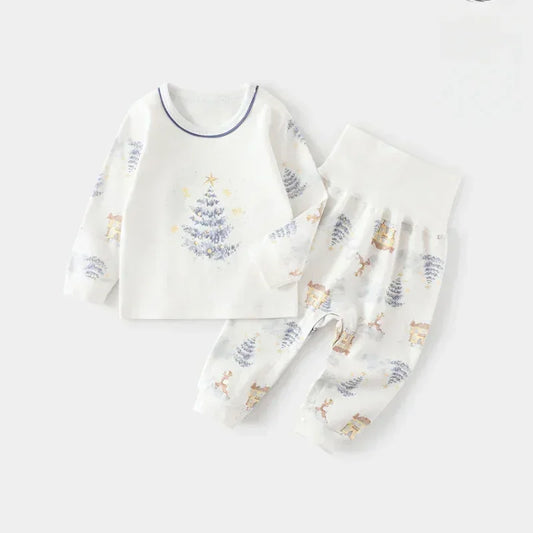
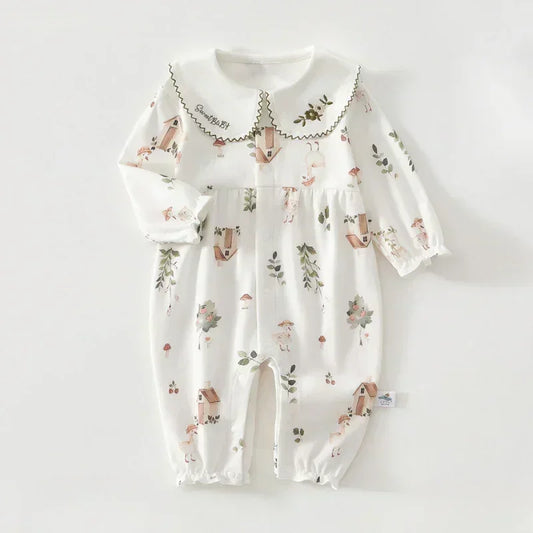
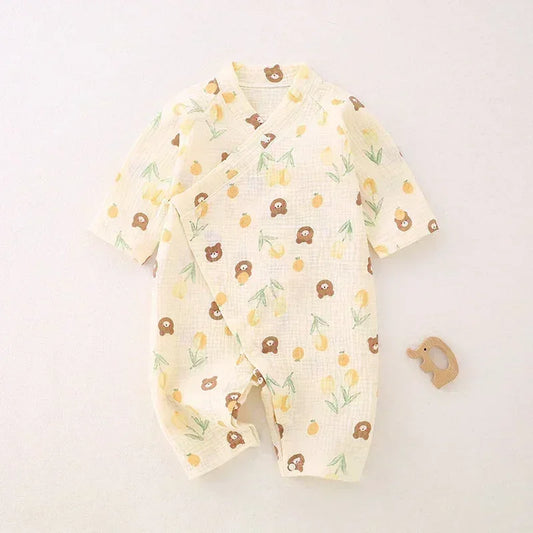
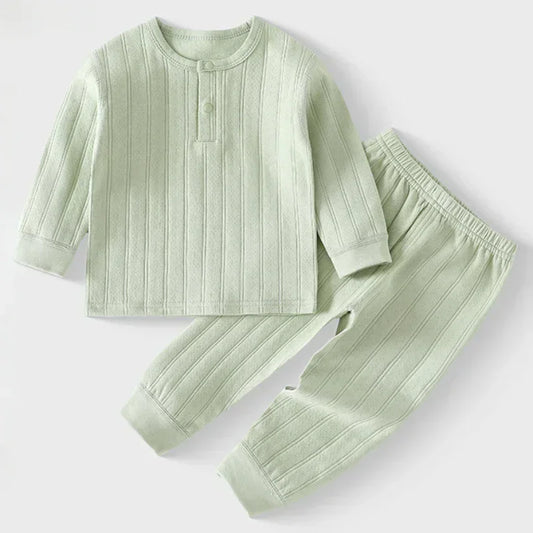
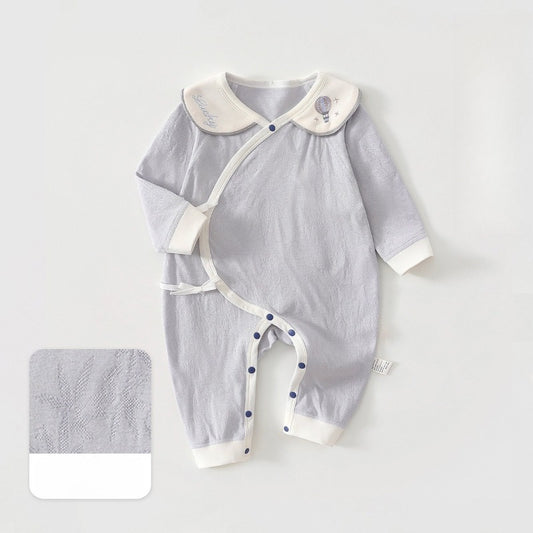
Switching to high-quality organic cotton is the ultimate fix for temperature regulation. Unlike synthetic blends, organic cotton is naturally thermoregulating. Its long, natural fibers allow air to circulate, meaning excess body heat can escape while keeping the baby cozy. Organic cotton also excels at moisture-wicking; if your baby does get a little warm, the fabric pulls the sweat away from the skin, preventing that 'clammy' chill that leads to wakefulness. By choosing organic, you are not just avoiding harsh pesticides; you are giving your baby a breathable microclimate that adapts to their needs. Our premium organic cotton onesies and sleep sacks are designed specifically to work in harmony with the Neck Check rule, providing the perfect balance of warmth and airflow.
Final Thoughts on Baby Safety
Parenting is a journey of a thousand questions, but your baby's comfort shouldn't be a guessing game. By ignoring the 'cold hand' myth and sticking to the core Neck Check, you ensure a safer sleep environment. Pair this practice with breathable, organic fabrics to eliminate the risk of synthetic-induced overheating. Remember, a slightly cool baby is always safer than an overheated one. Keep it simple, keep it organic, and rest easy knowing you've mastered the art of the perfect temperature.
![[2-Pieces Set] 100% Cotton Long-Sleeve Kimono Romper - Blue & Blue Stripe](http://www.organiccottonclubs.com/cdn/shop/files/2_afd198b870f106588ecfc526d714b7a8.jpg?v=1764440625&width=533)


![[2-Pieces Set] 100% Cotton Long Sleeve Side-Snap Bodysuit - Pink & Pink Stripe](http://www.organiccottonclubs.com/cdn/shop/files/2_e34e329d03103a1ef2a830ed0f72d8f4.jpg?v=1759165907&width=533)
![[2-Pieces Set] 100% Cotton Long Sleeve Snapup Romper - Green & Green Stripe](http://www.organiccottonclubs.com/cdn/shop/files/4_dcde8d24f74c34bd214567f4011b27d7.jpg?v=1759166636&width=533)