


Is Your Baby's Skin Reacting to 'Hidden' Chemicals in Modern Fabrics?
Share
The Hidden Truth: Are Modern Fabrics Irritating Your Baby's Delicate Skin?
As new parents, you embark on a beautiful journey, filled with boundless love and an unwavering desire to provide the absolute best for your little one. You carefully select organic foods, choose gentle bath products, and create a safe, nurturing environment. But what if there's a 'hidden' element in your baby's world, constantly in contact with their most delicate organ – their skin – that could be causing irritation? We're talking about the very fabrics that cradle them, from their tiny sleepsuits to their crib sheets.
Many parents notice unexplained rashes, persistent eczema, or general skin sensitivity in their babies. While diet, allergens, and environment play a role, a growing concern points to the synthetic chemicals used in the production of modern conventional textiles. These seemingly innocuous fabrics, designed for convenience and durability, might be harboring irritants that silently impact your baby's ultra-sensitive skin.
Unmasking the Culprits: What's Hiding in Conventional Baby Clothing?
The journey from raw fiber to a finished garment is often a complex industrial process, involving a cocktail of chemicals. Conventional cotton, for instance, is one of the most pesticide-intensive crops globally. Beyond the farming stage, manufacturing introduces a new array of substances. Here are some common offenders:
- Formaldehyde: Often used as a wrinkle-resistant, shrink-proof, and dye-fixing agent. This chemical is a known irritant and sensitizer, potentially causing dermatitis, rashes, and respiratory issues, especially in babies with underdeveloped immune systems.
- Azo Dyes: These synthetic dyes are popular for their vibrant colors and colorfastness. However, certain azo dyes can break down to release carcinogenic amines, and many are known skin irritants.
- Flame Retardants: While intended for safety, these chemicals are often applied to children's sleepwear. Many types, like polybrominated diphenyl ethers (PBDEs), are endocrine disruptors and can be absorbed through the skin, linked to developmental and neurological problems.
- Chlorine Bleaches and Heavy Metals: Used for whitening and dyeing, residues of chlorine and heavy metals like lead or mercury can remain in fabrics, posing risks to skin and overall health.
- Softeners and Phthalates: Applied to make fabrics feel softer or to create certain prints, these can contain phthalates, which are endocrine disruptors, or fragrances that irritate sensitive skin.
These chemicals can leach out of fabrics through sweat, friction, and washing, coming into direct contact with your baby's porous skin, potentially leading to allergic reactions, irritation, or even more serious long-term health concerns.
The Solution: Why Organic Cotton is a Breath of Fresh Air for Baby Skin
The good news is there’s a pure, gentle alternative: organic cotton. Unlike conventional cotton, organic cotton is grown without synthetic pesticides, herbicides, or GMOs. The entire production process, from farming to spinning and dyeing, adheres to strict environmental and social standards, free from the harsh chemicals mentioned above.
Here’s why choosing organic cotton for your baby makes a significant difference:
- Hypoallergenic & Gentle: Free from toxic residues, organic cotton is inherently hypoallergenic, making it ideal for babies prone to eczema, allergies, or sensitive skin. It reduces the likelihood of skin reactions and provides unparalleled comfort.
- Breathability: Organic cotton fibers are natural and allow air to circulate freely. This breathability helps regulate your baby's body temperature, preventing overheating and sweat build-up, which can lead to heat rashes.
- Superior Softness & Durability: Grown without harsh chemicals, organic cotton maintains its natural integrity and softness, often becoming even softer with each wash. Its stronger fibers also contribute to greater durability, making it a wise, long-term investment.
- Environmentally Friendly: Choosing organic cotton supports sustainable farming practices that conserve water, maintain soil health, and protect biodiversity. It's a choice that benefits both your baby and the planet.
Look for certifications like the Global Organic Textile Standard (GOTS), which ensures that a product is truly organic from harvesting of the raw materials through environmentally and socially responsible manufacturing, providing you with peace of mind.
Beyond Organic Cotton: Practical Tips for a Skin-Friendly Nursery
While organic cotton is a cornerstone, a holistic approach ensures maximum protection for your baby’s delicate skin:
- Always Pre-Wash New Clothing: Before your baby wears anything new – organic or not – always wash it. This helps remove any residual manufacturing chemicals, dust, or potential irritants picked up during packaging and transport.
- Choose Hypoallergenic Detergents: Opt for detergents that are fragrance-free, dye-free, and specifically designed for sensitive skin or baby laundry. Avoid conventional fabric softeners and dryer sheets, as they often contain perfumes and chemicals that can cling to fabrics and irritate skin.
- Double Rinse: If your washing machine has a 'double rinse' cycle, use it. This ensures all detergent residues are thoroughly washed away, minimizing potential irritants.
- Consider Other Natural Fibers: While organic cotton is paramount, organic bamboo, hemp, and merino wool (if sourced ethically and processed without harsh chemicals) can also be excellent, breathable, and skin-friendly alternatives. Always check for certifications.
- Monitor Skin Reactions: Pay close attention to your baby’s skin. If a rash or irritation appears, try changing the fabric it's in contact with. Keep a journal to track potential triggers.
- Keep the Home Environment Clean & Chemical-Free: Use natural, non-toxic cleaning products. Ensure good ventilation and consider an air purifier, especially if you live in an urban area.
Making the Switch: A Step-by-Step Guide
Transitioning to a more natural wardrobe for your baby doesn't have to happen overnight. Here's how to start:
- Prioritize Direct Contact Items: Begin with items that are in constant contact with your baby’s skin – sleepwear, onesies, crib sheets, and burp cloths. These are the most critical areas to switch to organic.
- Read Labels Carefully: Look beyond generic terms. Search for '100% Organic Cotton' and reputable certifications like GOTS. Be wary of blends that might contain a small percentage of organic material but still have synthetic components.
- Build Gradually: As your baby grows and needs new sizes, or as existing items wear out, replace them with organic alternatives. This makes the transition manageable and budget-friendly.
Nurturing Purity: Giving Your Baby the Best Start, Naturally
Your baby's skin is their largest organ, incredibly absorbent and vulnerable. By making informed choices about the fabrics they wear and sleep on, you're not just preventing irritation; you're actively nurturing their well-being and promoting a healthier start in life. Embrace the purity of organic cotton and create a cocoon of comfort, free from hidden chemicals, allowing your baby's delicate skin to thrive naturally.
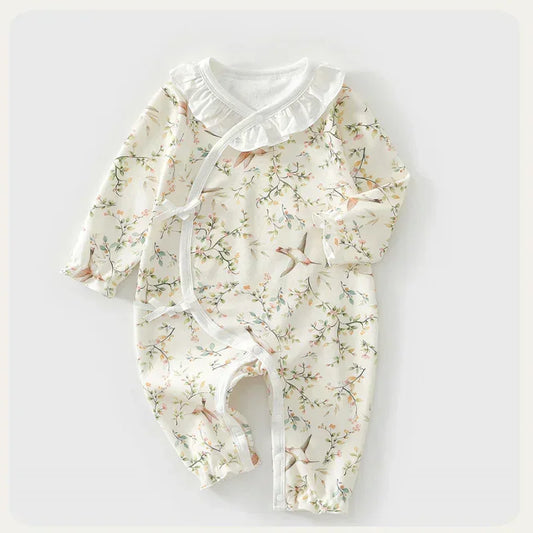
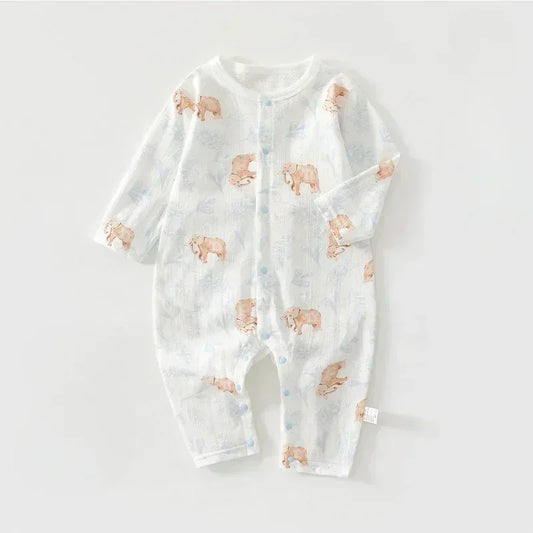
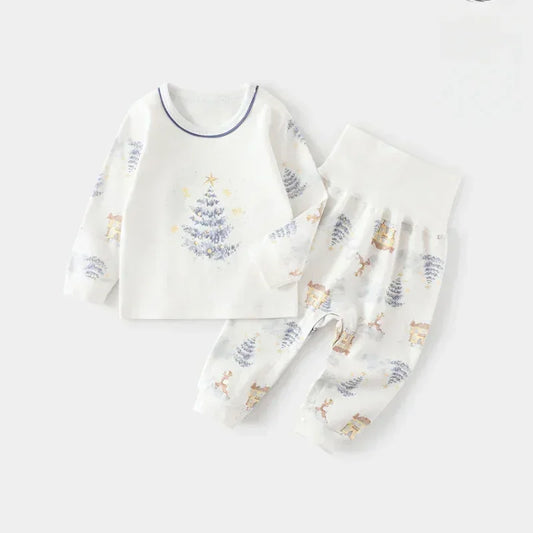
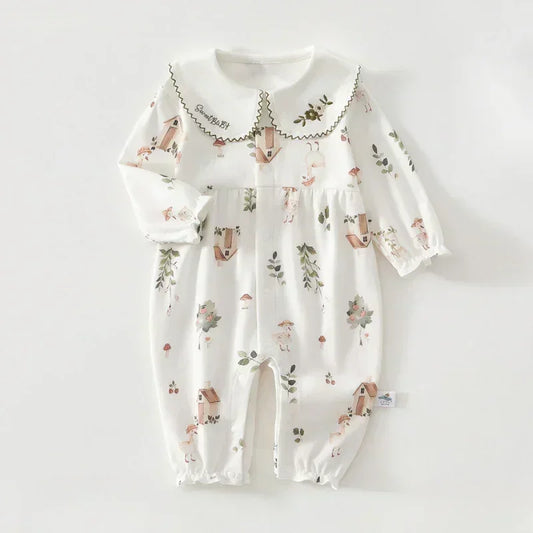
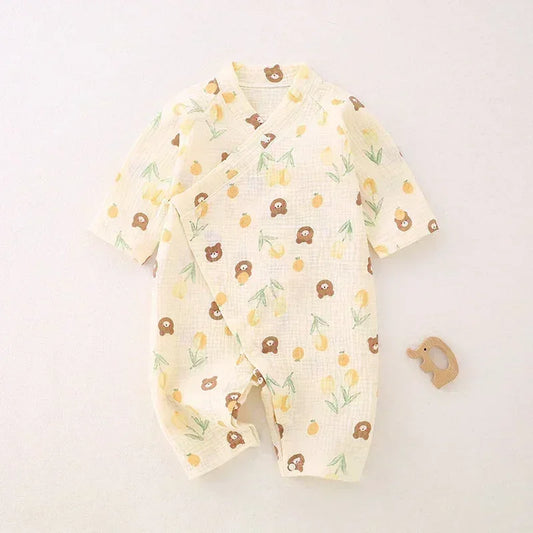
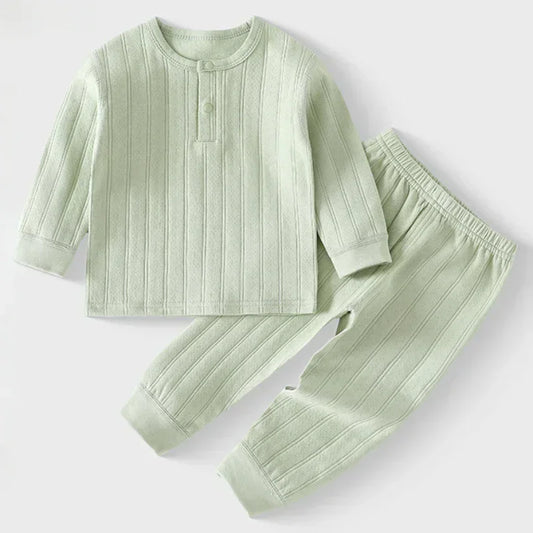
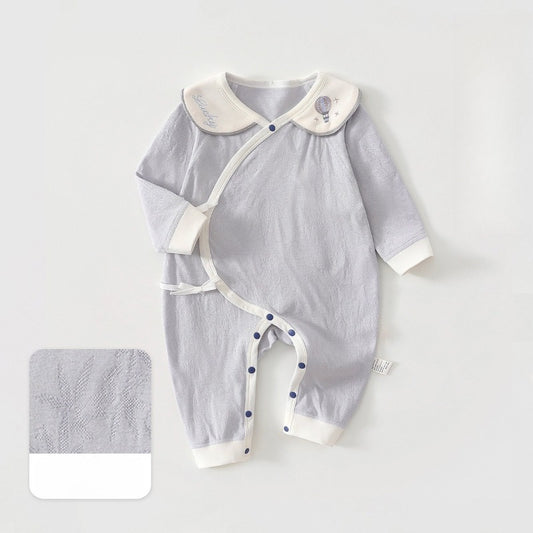
Explore our thoughtfully curated collection of GOTS-certified organic cotton baby clothing and essentials, designed with your little one's comfort and health in mind.
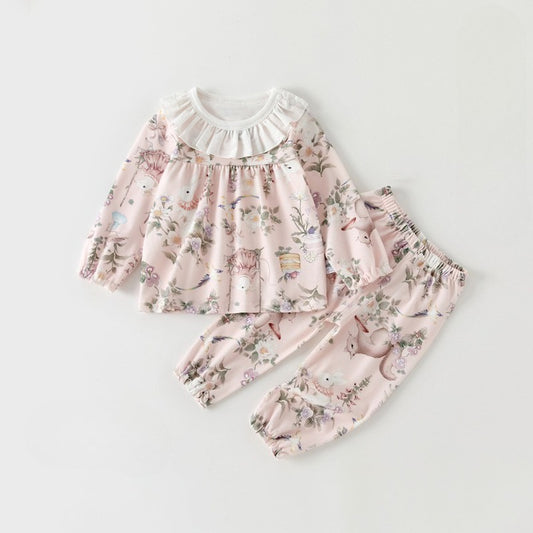
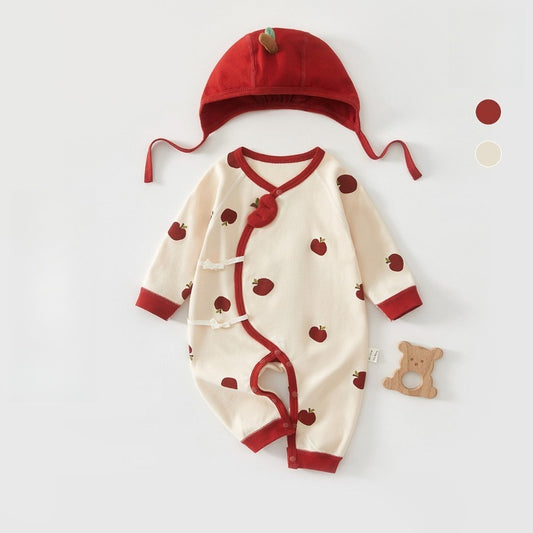
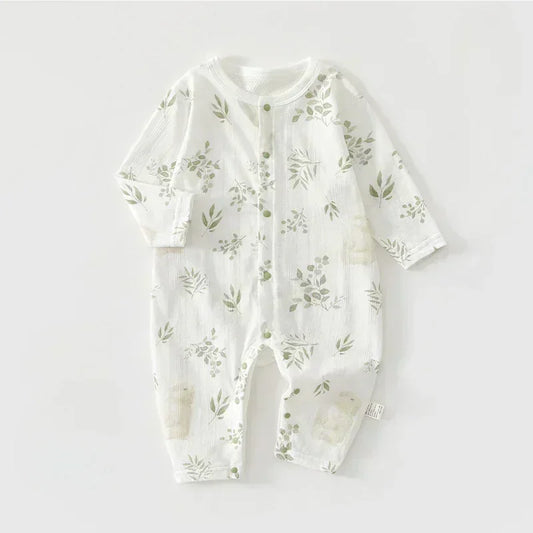
![[2-Pieces Set] 100% Cotton Long-Sleeve Kimono Romper - Blue & Blue Stripe](http://www.organiccottonclubs.com/cdn/shop/files/2_afd198b870f106588ecfc526d714b7a8.jpg?v=1764440625&width=533)

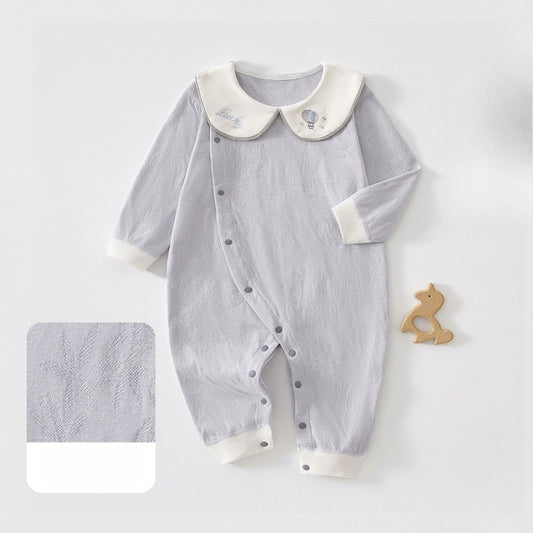

![[2-Pieces Set] 100% Cotton Long Sleeve Side-Snap Bodysuit - Pink & Pink Stripe](http://www.organiccottonclubs.com/cdn/shop/files/2_e34e329d03103a1ef2a830ed0f72d8f4.jpg?v=1759165907&width=533)
![[2-Pieces Set] 100% Cotton Long Sleeve Snapup Romper - Green & Green Stripe](http://www.organiccottonclubs.com/cdn/shop/files/4_dcde8d24f74c34bd214567f4011b27d7.jpg?v=1759166636&width=533)