

Label Decoder: "Fragrance-Free" vs. "Unscented"
Share
Label Decoder: 'Fragrance-Free' vs. 'Unscented' – What Every Parent Needs to Know
As a parent, you want nothing but the best for your little one. You spend hours researching the safest car seats and the most nutritious first foods. But when it comes to the products that touch your baby’s delicate skin every single day—the laundry detergents, the lotions, and the soaps—the terminology on the labels can feel like a foreign language. If you have ever stood in a store aisle, staring at two bottles of 'gentle' baby wash and wondering why your child is still breaking out in a rash, you are not alone.
The Parenting Struggle: The Mystery of Sensitive Skin
It starts with a small patch of redness or a few tiny bumps on your baby's cheek. You’ve done everything 'right.' You’ve switched to the brands marketed for newborns, yet the irritation persists. The struggle is real: you are trying to protect your baby, but the very products designed to help might be the ones causing the agitation. For parents of babies with eczema or reactive skin, this becomes a daily battle of trial and error that leaves you feeling defeated and exhausted.
Agitation: Why Hidden Irritants Hurt
The skin is the body's largest organ, and a newborn's skin is up to 30% thinner than an adult's. This means they absorb chemicals and irritants much faster. Many traditional fabrics and skincare products are treated with synthetic fragrances to make them smell 'clean' or 'baby-fresh.' However, these synthetic scents are often cocktails of phthalates and petroleum-based chemicals that strip the skin of its natural oils. Even when you think you are buying something mild, the difference between 'unscented' and 'fragrance-free' can be the difference between a restful night and a crying, itchy infant.
The Solution: Decoding the Labels
To truly protect your baby, you must look beyond the marketing claims on the front of the bottle. Understanding these two key terms is your first line of defense in creating a safe, non-toxic environment.
What Does 'Unscented' Actually Mean?
Surprisingly, 'unscented' does not mean 'no fragrance.' It simply means the product has no detectable odor. Manufacturers often use 'masking fragrances'—additional chemicals designed to neutralize the smell of other raw ingredients. While the product might smell like nothing to you, it could still contain the very allergens you are trying to avoid. For a child with extreme sensitivities, an 'unscented' product can be just as irritating as a scented one.
The Gold Standard: Fragrance-Free
'Fragrance-free' is the label you want to look for. This means that no fragrance or masking scents have been added to the product at all. It is the purest form of the formulation, allowing the natural scent of the ingredients (like organic oils or plant extracts) to exist without chemical interference. When combined with high-quality materials like organic cotton, fragrance-free products create a sanctuary for sensitive skin.
Benefits of Choosing Truly Clean Products
- Reduces Allergic Reactions: Eliminating synthetic scents significantly lowers the risk of contact dermatitis.
- Protects the Skin Barrier: Without harsh chemicals, the skin’s natural protective layer remains intact.
- Peace of Mind: Knowing exactly what is touching your baby allows you to focus on the joy of parenting rather than managing rashes.
- Better Sleep: An itch-free baby is a comfortable baby, which leads to better sleep for the whole family.
Final Thoughts
Navigating the world of baby products is a journey, and you are doing a great job. By choosing 'fragrance-free' and opting for organic, breathable fabrics, you are giving your baby’s skin the best possible start. Remember, 'clean' doesn't have a smell—it has a feeling of safety and comfort. Next time you shop, look past the pretty packaging and decode the label for a happier, healthier baby.
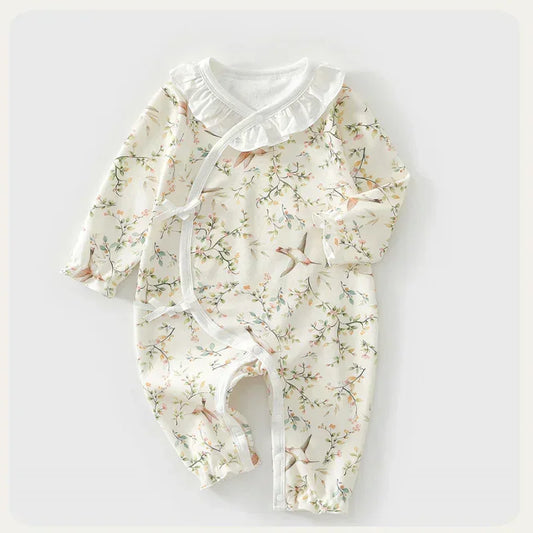
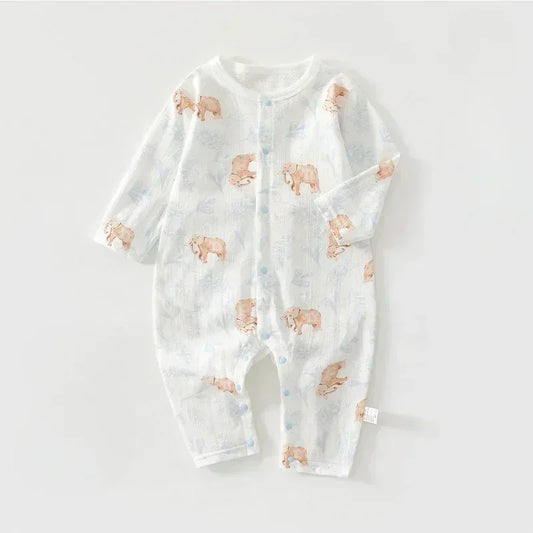
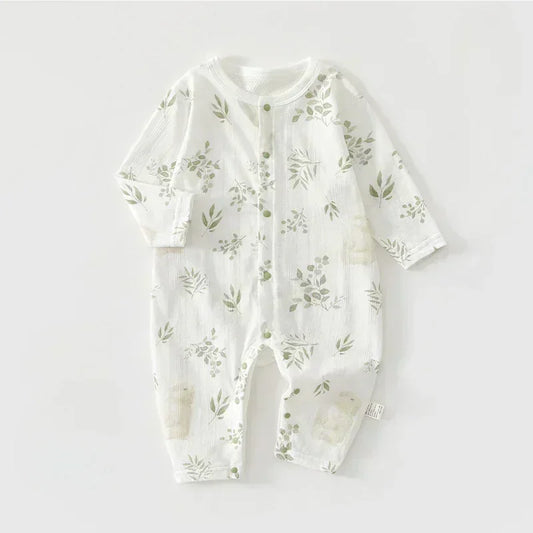
![[2-Pieces Set] 100% Cotton Long-Sleeve Kimono Romper - Blue & Blue Stripe](http://www.organiccottonclubs.com/cdn/shop/files/2_afd198b870f106588ecfc526d714b7a8.jpg?v=1764440625&width=533)

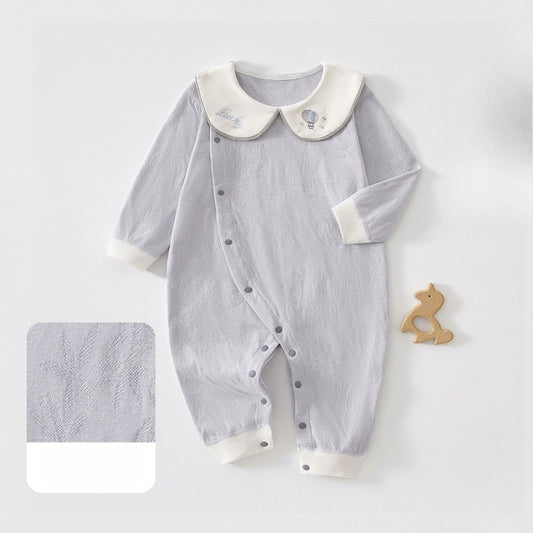

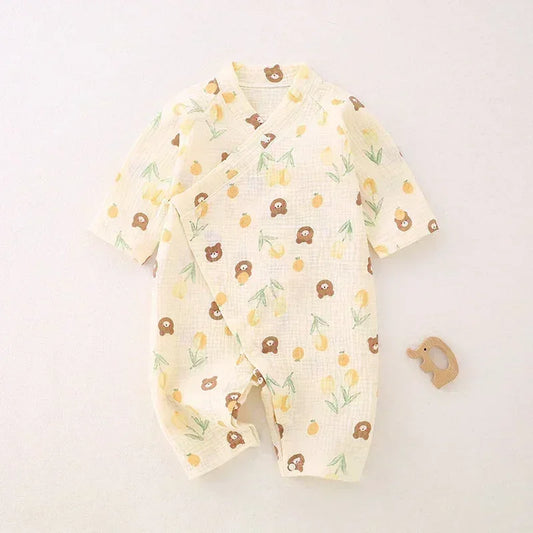
![[2-Pieces Set] 100% Cotton Long Sleeve Side-Snap Bodysuit - Pink & Pink Stripe](http://www.organiccottonclubs.com/cdn/shop/files/2_e34e329d03103a1ef2a830ed0f72d8f4.jpg?v=1759165907&width=533)
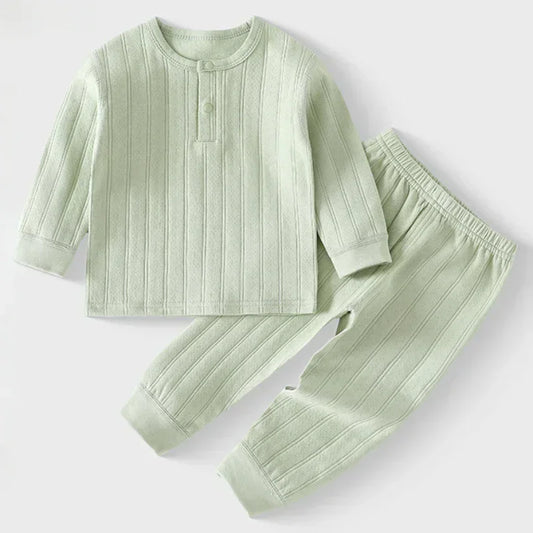
![[2-Pieces Set] 100% Cotton Long Sleeve Snapup Romper - Green & Green Stripe](http://www.organiccottonclubs.com/cdn/shop/files/4_dcde8d24f74c34bd214567f4011b27d7.jpg?v=1759166636&width=533)