

Laundry 101: How to Wash & Care for Organic Baby Clothes to Last Longer
Share
The Gentle Touch: Why Organic Baby Clothes Deserve Special Care
Choosing organic baby clothes is a wonderful decision for your little one’s comfort, health, and the planet. Made from natural fibers grown without synthetic pesticides or fertilizers, these garments are incredibly soft, breathable, and kind to sensitive skin. But this purity also means they require a gentler touch in the laundry room. Investing in organic pieces is an investment in quality, and with the right care, you can ensure they stay soft, vibrant, and perfectly shaped for as long as your baby wears them (and even for the next one!). This guide will walk you through everything you need to know to protect these special garments.
The Science of Softness: Understanding Organic Cotton
Unlike conventionally grown cotton, organic fibers aren't treated with harsh chemicals like bleach or formaldehyde to soften them. Their natural softness comes from the long, smooth, undamaged fibers of the cotton boll. Harsh detergents, high heat, and aggressive wash cycles can break down these delicate fibers, leading to pilling, shrinking, and a loss of that signature softness.
Free From Harsh Chemicals
The lack of chemical residue is what makes organic cotton hypoallergenic and perfect for a baby's delicate skin. Using conventional, chemical-laden detergents can reintroduce irritants to the fabric, defeating one of the primary benefits of choosing organic in the first place.
Softer, More Breathable Fibers
The natural integrity of organic fibers allows for better airflow, helping to regulate your baby's temperature. Gentle washing preserves this structure, ensuring the clothes remain breathable and comfortable, wash after wash.
Your Step-by-Step Guide to Washing Organic Baby Clothes
Follow these simple steps to create a safe and effective laundry routine that preserves the life of your organic baby clothes.
Step 1: Choose the Right Detergent
This is the most critical step. Look for a detergent that is plant-based, biodegradable, and free from common irritants. Key things to avoid include:
- Fragrances & Dyes: These are common causes of skin irritation and allergies.
- Sulfates (SLS/SLES): Harsh cleaning agents that can strip fabric fibers.
- Phosphates & Chlorine: Harmful to the environment and harsh on fabrics.
- Optical Brighteners: Chemicals that don't actually clean but leave a residue on clothes to make them appear brighter, which can irritate skin.
A simple, non-toxic, and fragrance-free liquid detergent is your best bet.
Step 2: Pretreat Stains Gently
Babies are masters of staining! For spit-up, food, or diaper leaks, it's important to treat the stain as soon as possible. Avoid conventional stain removers. Instead, create a paste of water and a little of your gentle detergent and apply it to the spot. You can also use a mixture of white vinegar and water or a specialized, baby-safe stain treatment. Let it sit for about 30 minutes before washing, but don't let it dry completely.
Step 3: Select the Right Wash Cycle & Temperature
Heat is the enemy of natural fibers. It can cause shrinking and weaken the fabric over time. Always opt for a cold water wash. Cold water is effective at cleaning, especially with a good detergent, and it's far gentler on the fabric and the environment. Select the "delicate" or "gentle" cycle on your washing machine to minimize agitation and friction.
Step 4: Don't Overload the Machine
Give the clothes room to move! Overloading the washer means clothes don't get as clean and the friction between garments can cause pilling and stretching. It’s better to run two smaller loads than one overstuffed one. For extra protection, you can place delicate items in a mesh laundry bag.
Drying and Storing for Longevity
The Best Drying Methods
The ideal way to dry organic cotton is to line dry. Sunlight is a natural disinfectant and brightener, and air drying prevents any risk of heat damage or shrinkage. If you must use a dryer, choose the lowest possible heat setting or the "air fluff" option. Tumble drying on low heat can help keep clothes soft, but be sure to remove them as soon as they are dry to prevent wrinkling and over-drying.
Storing With Care
Once clean and dry, fold the clothes neatly and store them in a clean, dry drawer or closet. Avoid cramming them into small spaces, which can wrinkle and stretch the fabric. Proper storage ensures the clothes are fresh and ready for your baby to wear.
Laundry Mistakes to Avoid
- Using Fabric Softener: Commercial fabric softeners coat fibers with a waxy, chemical residue that can irritate a baby's skin and reduce the fabric's natural absorbency and breathability.
- Washing with High Heat: As mentioned, high heat is the fastest way to shrink and damage delicate organic cotton.
- Using Chlorine Bleach: It’s far too harsh for organic fibers and your baby's skin. For whitening, try an oxygen-based bleach alternative or hang clothes in the sun.
By adopting a gentle, mindful approach to laundry, you're not just cleaning clothes—you're preserving a safe, soft, and healthy environment for your baby to thrive in. Your beautiful organic pieces will thank you by staying soft and lasting longer.
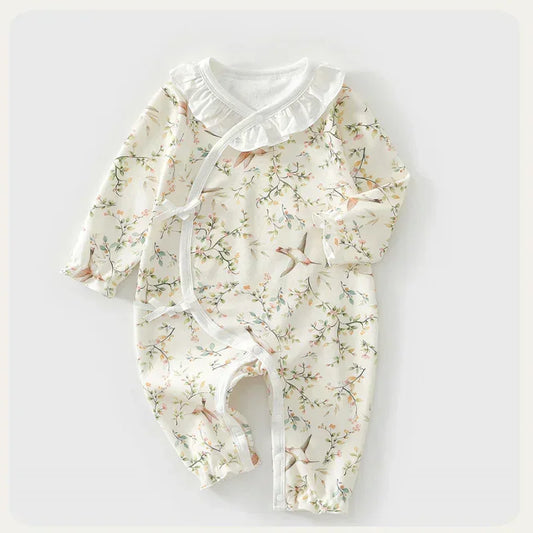
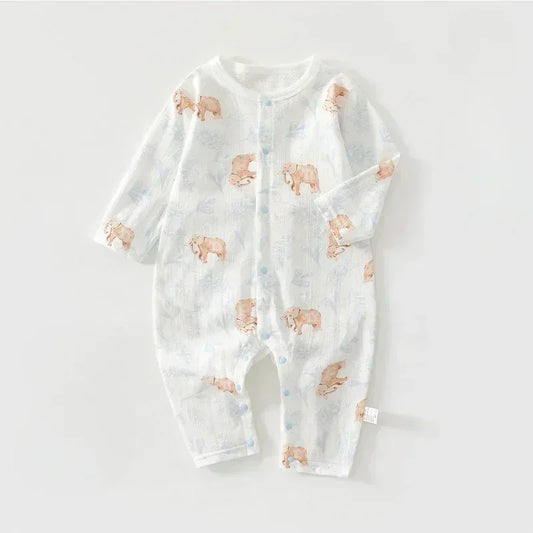
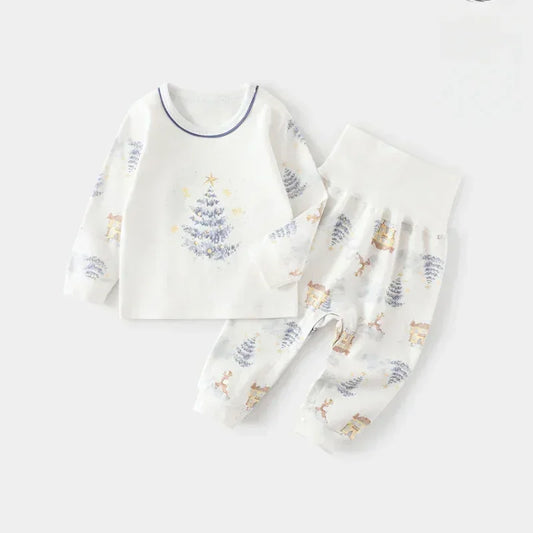
![[2-Pieces Set] 100% Cotton Long-Sleeve Kimono Romper - Blue & Blue Stripe](http://www.organiccottonclubs.com/cdn/shop/files/2_afd198b870f106588ecfc526d714b7a8.jpg?v=1764440625&width=533)


![[2-Pieces Set] 100% Cotton Long Sleeve Side-Snap Bodysuit - Pink & Pink Stripe](http://www.organiccottonclubs.com/cdn/shop/files/2_e34e329d03103a1ef2a830ed0f72d8f4.jpg?v=1759165907&width=533)
![[2-Pieces Set] 100% Cotton Long Sleeve Snapup Romper - Green & Green Stripe](http://www.organiccottonclubs.com/cdn/shop/files/4_dcde8d24f74c34bd214567f4011b27d7.jpg?v=1759166636&width=533)