


Master Bedroom Nursery: Layout Ideas for Small Spaces
Share
Creating Your Sanctuary: Master Bedroom Nursery Layout Ideas for Small Spaces
Welcoming a new baby is one of life’s most profound joys, but for many parents living in urban apartments or smaller homes, it comes with a significant logistical challenge: where does the baby go? The struggle to fit a crib, changing table, and gear into an already occupied master bedroom can feel overwhelming. You want your baby close for those midnight feedings, but you also need to maintain a sense of calm and order in your own sleeping sanctuary.
The Agitation: When Small Spaces Become Stressful
A cluttered room leads to a cluttered mind. When you’re sleep-deprived and navigating a room filled with synthetic fabrics and bulky plastic furniture, the air can feel heavy and the space restrictive. Many parents opt for cheap, mass-produced bedding to save money, not realizing that these materials often trap heat and off-gas chemicals, which is particularly concerning in a confined shared space where ventilation might be limited. Your master bedroom should be a place of rest, not a source of irritation for both you and your newborn’s sensitive skin.
The Solution: Organic Cotton and Strategic Design
The key to a successful master bedroom nursery is two-fold: a smart layout and high-quality, breathable materials. By choosing organic cotton for your baby’s bedding, you’re ensuring that the micro-environment of your shared room is safe, soft, and chemical-free. Organic fabrics are not just a luxury; they are a necessity in small, shared spaces where air quality and skin contact are constant.
Smart Layout Strategies for Small Bedrooms
- The Window Nook: Place the bassinet near a window to utilize natural light during the day, ensuring you use blackout organic cotton curtains for nap time.
- The Foot-of-the-Bed Placement: If your room is long and narrow, placing a mini-crib at the foot of your bed keeps the baby close while maintaining clear walkways on either side.
- The 'Cloffice' Conversion: Remove closet doors and tuck a small dresser with a changing pad inside to save floor space while keeping essentials hidden.
- Vertical Storage: Use floating shelves above the changing area to keep essentials within reach without taking up a footprint.
The Organic Difference in Shared Living
When you are sharing a room, air quality is paramount. GOTS-certified organic cotton is grown without toxic pesticides and processed without harsh chemicals. This means fewer allergens in your shared sleeping area. Organic cotton is also highly breathable, helping your baby regulate their temperature—a crucial factor in preventing overheating in smaller, warmer rooms. Transitioning to organic materials reduces the 'chemical load' in your master suite, creating a purer environment for both parent and child.
Final Thoughts
Transforming your master bedroom into a shared nursery doesn't mean sacrificing style or comfort. By prioritizing a minimal layout and investing in high-quality organic fabrics, you create a healthy, peaceful environment for your growing family. Focus on 'quality over quantity' to ensure your small space remains a sanctuary for everyone. Remember, it’s not about the square footage; it’s about the love and care put into every square inch.

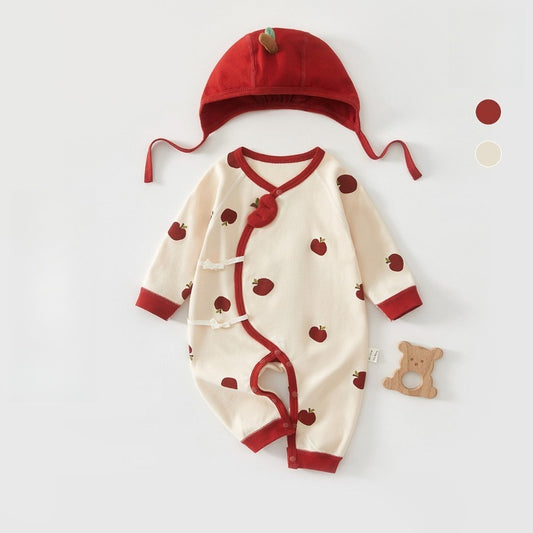
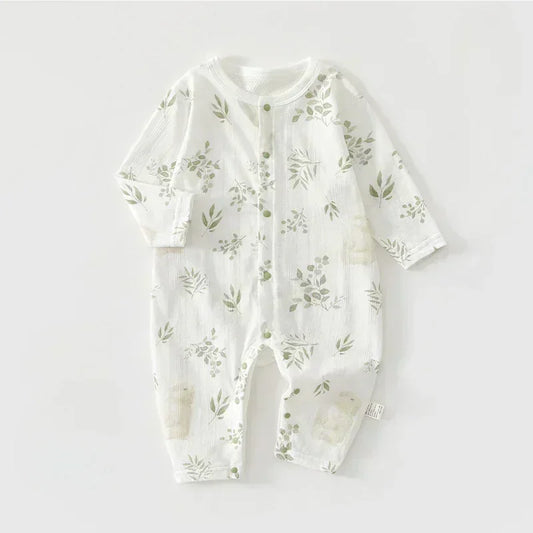
![[2-Pieces Set] 100% Cotton Long-Sleeve Kimono Romper - Blue & Blue Stripe](http://www.organiccottonclubs.com/cdn/shop/files/2_afd198b870f106588ecfc526d714b7a8.jpg?v=1764440625&width=533)

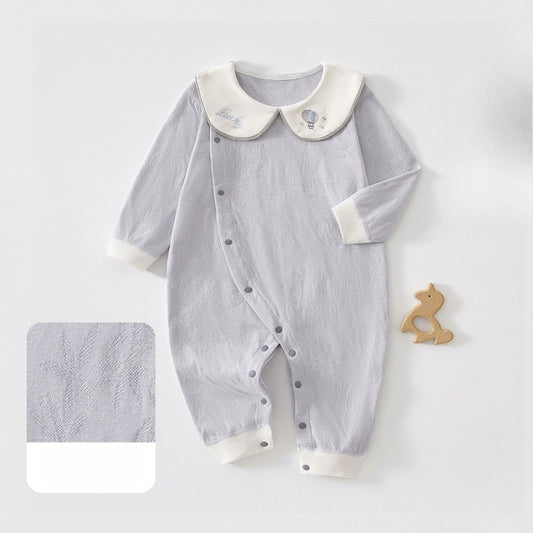

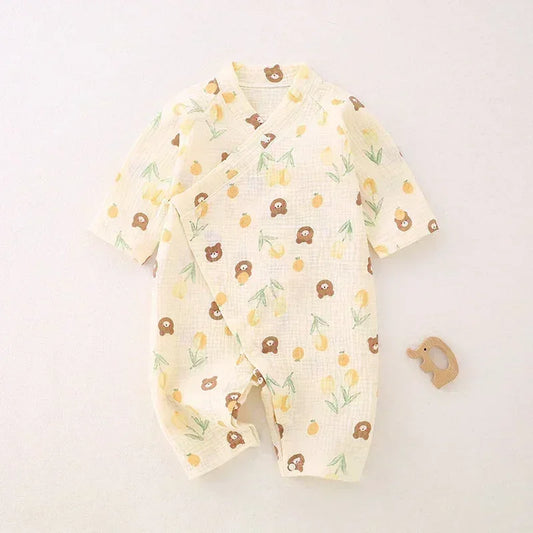
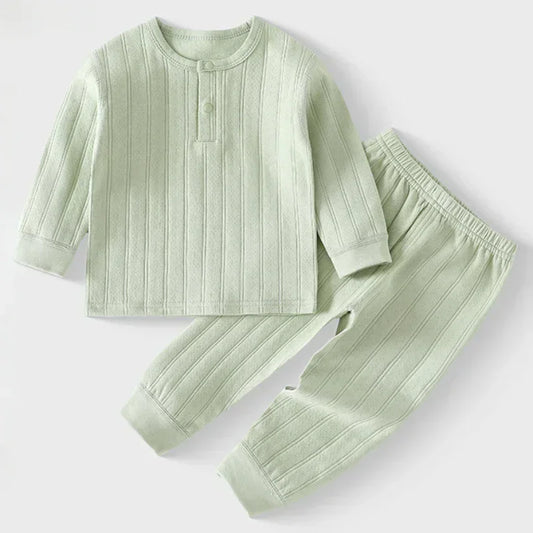
![[2-Pieces Set] 100% Cotton Long Sleeve Side-Snap Bodysuit - Pink & Pink Stripe](http://www.organiccottonclubs.com/cdn/shop/files/2_e34e329d03103a1ef2a830ed0f72d8f4.jpg?v=1759165907&width=533)
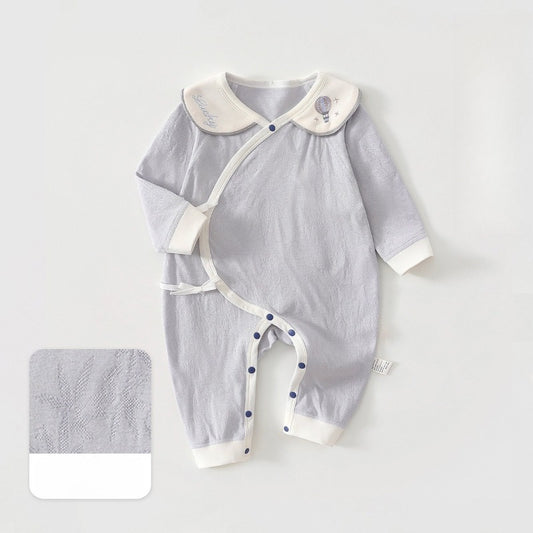
![[2-Pieces Set] 100% Cotton Long Sleeve Snapup Romper - Green & Green Stripe](http://www.organiccottonclubs.com/cdn/shop/files/4_dcde8d24f74c34bd214567f4011b27d7.jpg?v=1759166636&width=533)