


Montessori Wardrobe: The Only 5 Items That Promote Independence.
Share
The Morning Struggle: Why Getting Dressed Feels Like a Battle
Every parent knows the scene: the clock is ticking, you are late for work, and your toddler is having a meltdown because they cannot get their leg through a pair of stiff, skinny jeans. We want our children to be independent, yet we often provide them with clothing that is designed for aesthetics rather than small, developing hands. This daily friction does more than just make you late; it stifles your child's natural desire to 'do it myself,' leading to frustration and a lack of confidence.
The Agitation: Why Cheap Materials and Complex Designs Hurt
Standard 'fast fashion' baby clothes are often made from synthetic blends that trap heat and irritate sensitive skin. Even worse, they are loaded with tiny buttons, hidden zippers, and decorative snaps that are impossible for a two-year-old to navigate. When a child fails at a task like dressing, they begin to rely on adult intervention, which creates a cycle of dependency. Scratchy tags and restrictive waistbands only add to the sensory overwhelm, turning a simple morning routine into a sensory minefield. If the goal is a peaceful, Montessori-aligned home, your child's wardrobe needs a radical simplification.
The Montessori Solution: Wardrobe for Independence
The Montessori philosophy emphasizes an 'environment for success.' By curating a capsule wardrobe of just five essential items made from soft, organic cotton, you remove the barriers to independence. Here are the five staples every Montessori home needs:
1. Elastic Waistband Bottoms
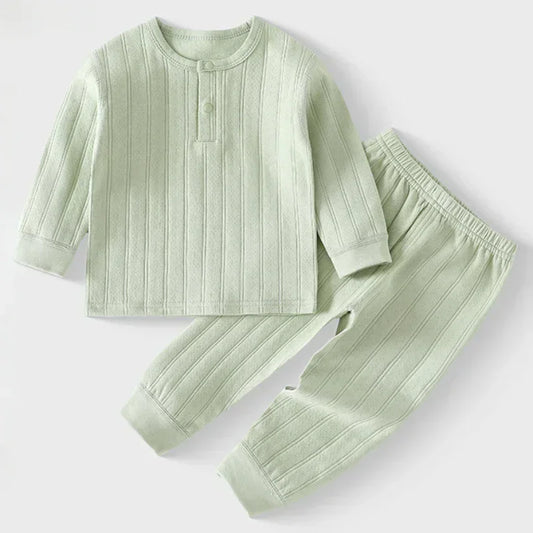
Skip the denim with buttons. High-quality organic cotton joggers or leggings with a soft, stretchy waistband allow a child to easily pull their pants up and down. This is crucial not just for dressing, but for successful potty training.
2. Wide-Neck Pullovers
Struggling with a narrow head opening is the quickest way to spark a tantrum. Look for sweatshirts and tees with wide, flexible necklines or lap-neck styles that slide over the head without snagging on ears or hair.
3. Easy-On Slip-On Shoes
Independence ends at the front door if a child cannot put on their own shoes. Choose soft-soled leather moccasins or shoes with a single, large Velcro strap that a toddler can master in seconds.
4. Organic Cotton Basics
Comfort is the foundation of concentration. Organic cotton is breathable, hypoallergenic, and gets softer with every wash. When a child feels good in their clothes, they are more willing to engage in the effort of putting them on.
5. Front-Opening Cardigans
Instead of complex jackets, a simple cardigan with large, chunky buttons (or no buttons at all) allows a child to practice their fine motor skills without the impossible task of lining up a tiny zipper track.
Final Thoughts
Creating a Montessori wardrobe is not about having more; it is about having less of the right things. When you choose organic, simple, and functional pieces, you are giving your child the greatest gift: the confidence to say, 'I did it all by myself.' Start with these five essentials and watch your morning chaos transform into a moment of connection.
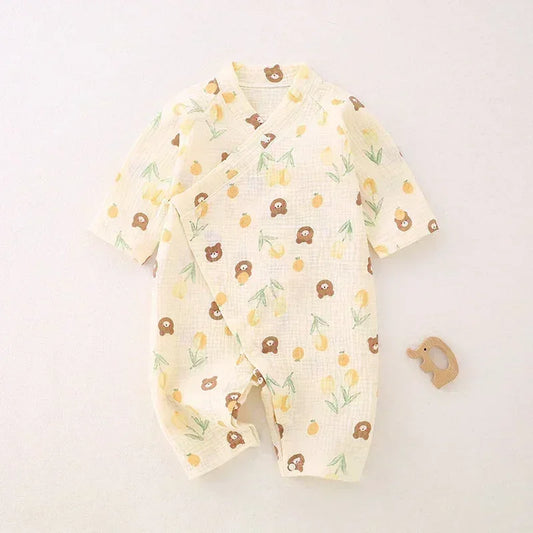
![[2-Pieces Set] 100% Cotton Long-Sleeve Kimono Romper - Blue & Blue Stripe](http://www.organiccottonclubs.com/cdn/shop/files/2_afd198b870f106588ecfc526d714b7a8.jpg?v=1764440625&width=533)


![[2-Pieces Set] 100% Cotton Long Sleeve Side-Snap Bodysuit - Pink & Pink Stripe](http://www.organiccottonclubs.com/cdn/shop/files/2_e34e329d03103a1ef2a830ed0f72d8f4.jpg?v=1759165907&width=533)
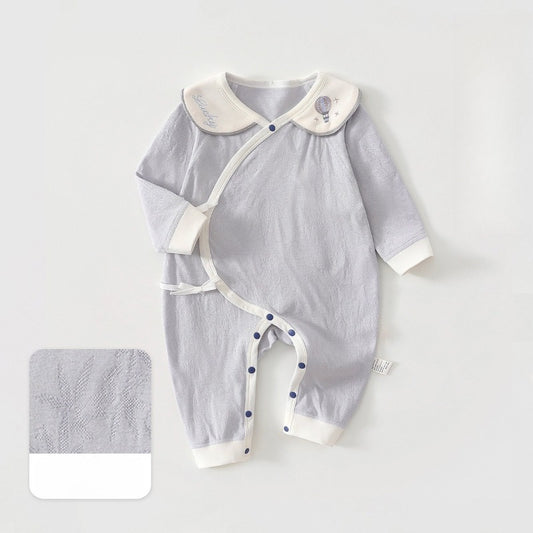
![[2-Pieces Set] 100% Cotton Long Sleeve Snapup Romper - Green & Green Stripe](http://www.organiccottonclubs.com/cdn/shop/files/4_dcde8d24f74c34bd214567f4011b27d7.jpg?v=1759166636&width=533)