


Newborn Feeding Schedule: Month-by-Month Reference Chart
Share
Mastering the Newborn Feeding Schedule: A Complete Guide
The arrival of a newborn is one of life's most beautiful transitions, but it often comes with a haze of exhaustion and a list of endless questions. For many new parents, the most pressing concern is the newborn feeding schedule. Are they eating enough? Why do they seem hungry only an hour after the last session? This uncertainty is a common struggle that can make the first few months feel like a mountain of stress. Understanding the rhythm of your baby's needs is the first step toward reclaiming some sense of order in your daily life.
The Hidden Stress of Feeding Times
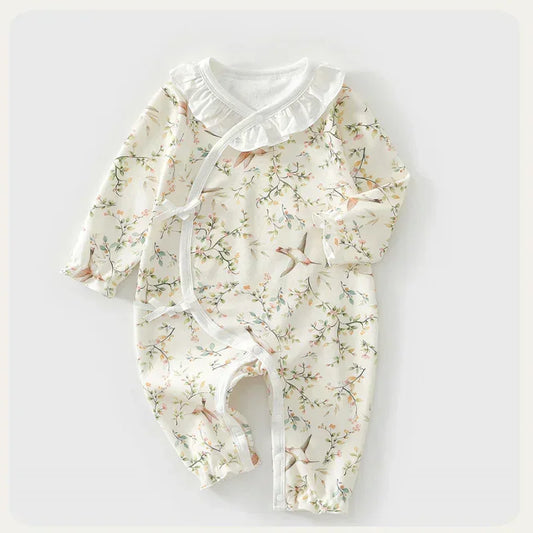
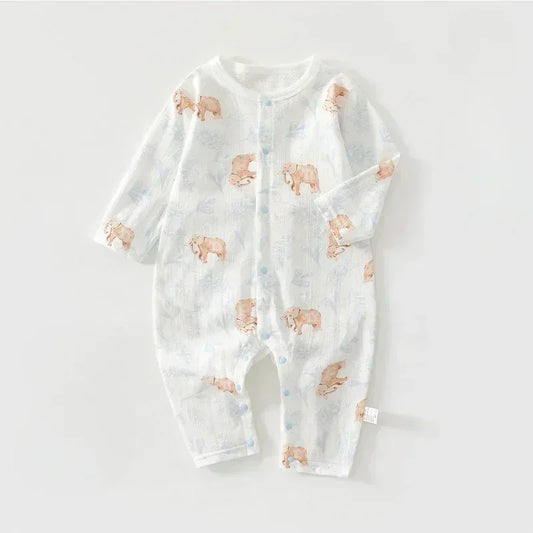
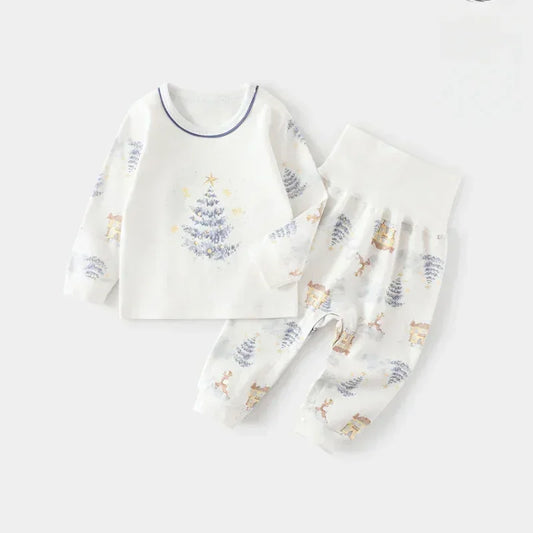
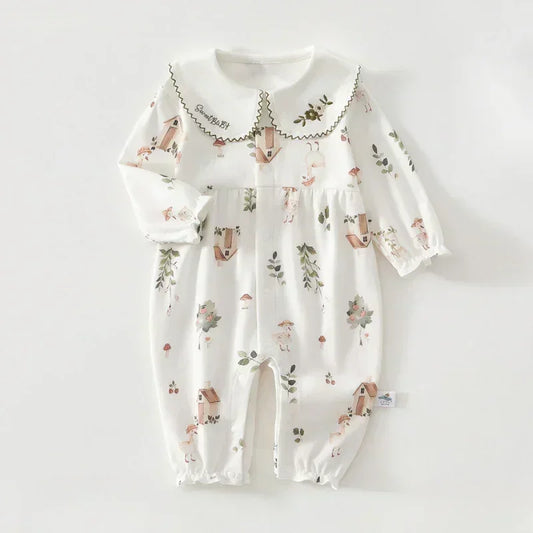
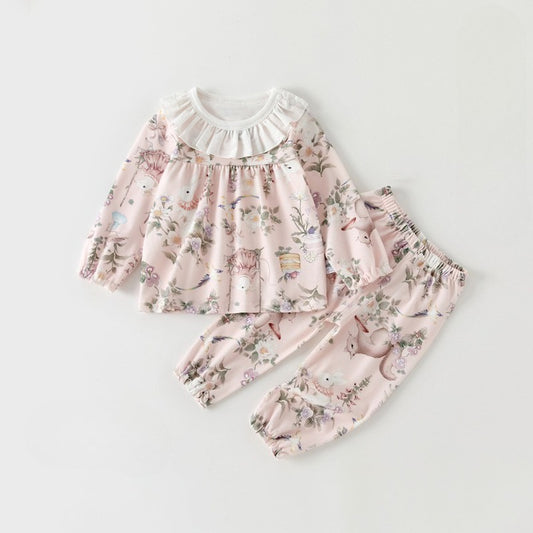
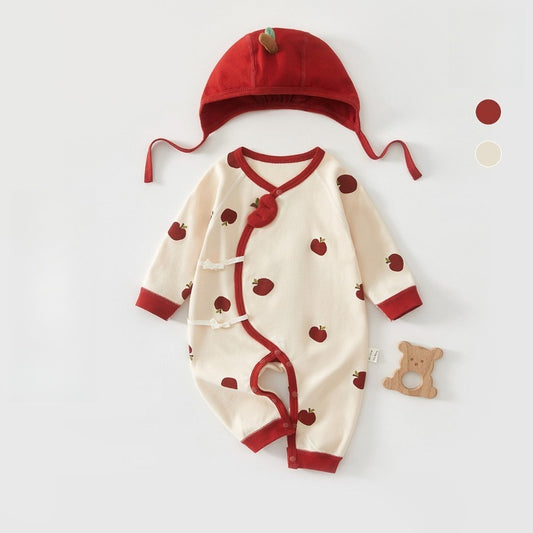
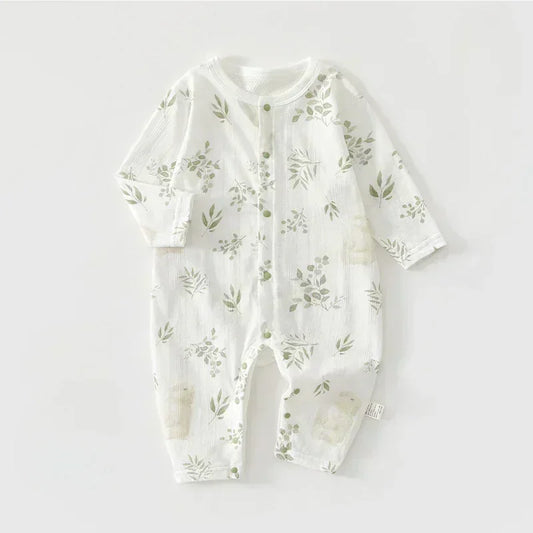
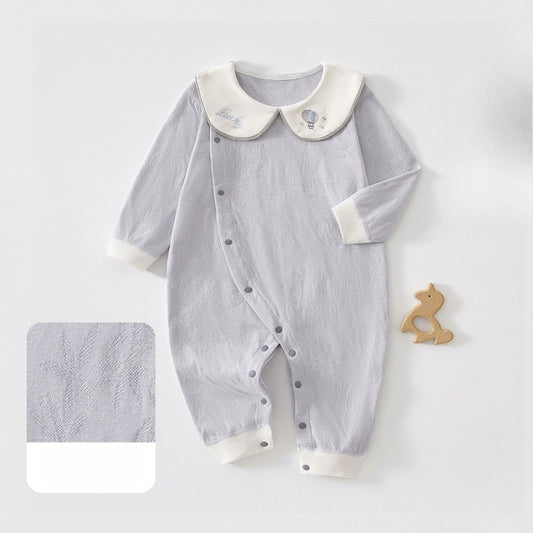
The agitation of a difficult feeding routine is often compounded by external factors that parents might not immediately consider. When a baby is restless, we check the diaper or the temperature, but we often overlook the fabric against their skin. Cheap, synthetic materials found in many mass-produced baby clothes are treated with harsh chemicals and lack breathability. During a long feeding session, these materials can cause your baby to sweat or develop itchy rashes, leading to increased fussiness. This added discomfort makes it harder for the baby to latch or settle, turning a vital nurturing period into a source of frustration for the whole family.
The Comfort of Organic Cotton Solutions
The solution lies in simplifying your approach and focusing on quality. Transitioning to organic cotton essentials can transform the feeding experience. GOTS-certified organic cotton is grown without toxic pesticides and processed without harmful dyes, ensuring that only the purest fibers touch your baby's delicate skin. These fabrics are naturally moisture-wicking and temperature-regulating, which helps keep your baby calm and focused during feedings. When your baby is comfortable, they are more likely to feed efficiently and sleep more soundly, which is the foundation of any successful feeding schedule.
Newborn Feeding Reference Chart: Month by Month
To help you navigate the first year, we have compiled a high-level overview of what to expect as your baby grows. Use these milestones as a flexible framework for your daily routine.
Months 0 to 2: The Early Days
In the first few weeks, your baby's stomach is tiny, requiring frequent small feedings. Expect to feed your newborn 8 to 12 times in a 24-hour period. If you are breastfeeding, this usually translates to every 2 to 3 hours. For formula-fed babies, it might be every 3 to 4 hours. During this phase, focus on responsive feeding—offering the breast or bottle whenever your baby shows hunger cues like rooting, sucking on hands, or smacking lips.
Months 3 to 5: Finding a Rhythm
By the third month, your baby's stomach capacity has increased, and they often become more efficient at extracting milk. You might notice the frequency dropping to 6 to 8 feedings per day. This is also a common time for growth spurts, where your baby may suddenly want to eat more frequently for a few days to 'order' more milk or satisfy their growing body. Stay consistent and continue prioritizing comfortable, breathable clothing to keep them settled during these intense periods.
Months 6 to 8: Introducing Solids
At around six months, most babies are ready to start exploring solid foods. However, breast milk or formula remains the primary source of nutrition. Feeding frequency for milk usually stays around 5 to 7 times a day, supplemented by small amounts of purees or soft finger foods. This is an exciting milestone that requires a new level of patience as your baby learns the mechanics of swallowing solids.
Months 10 to 12: Transitioning to Toddlerhood
As your baby approaches their first birthday, solids will begin to take a more central role in their diet. Milk feedings typically decrease to 3 or 4 times per day. You will notice your baby becoming more interested in the flavors and textures of family meals. By 12 months, many parents begin the transition to whole cow's milk, marking the end of the traditional newborn feeding phase.
Final Thoughts on Feeding and Care
Establishing a newborn feeding schedule is not about rigid rules, but about understanding your baby's unique needs and creating an environment where they can thrive. By choosing organic cotton and paying attention to their comfort, you are providing the best possible start. Remember, every baby develops at their own pace, and your pediatrician is your best resource for specific nutritional advice. Embrace the journey, trust your instincts, and cherish the quiet moments of connection that feeding time brings.
![[2-Pieces Set] 100% Cotton Long-Sleeve Kimono Romper - Blue & Blue Stripe](http://www.organiccottonclubs.com/cdn/shop/files/2_afd198b870f106588ecfc526d714b7a8.jpg?v=1764440625&width=533)



![[2-Pieces Set] 100% Cotton Long Sleeve Side-Snap Bodysuit - Pink & Pink Stripe](http://www.organiccottonclubs.com/cdn/shop/files/2_e34e329d03103a1ef2a830ed0f72d8f4.jpg?v=1759165907&width=533)
![[2-Pieces Set] 100% Cotton Long Sleeve Snapup Romper - Green & Green Stripe](http://www.organiccottonclubs.com/cdn/shop/files/4_dcde8d24f74c34bd214567f4011b27d7.jpg?v=1759166636&width=533)