


Newborn Feeding Schedule: Month-by-Month Reference Chart
Share
Navigating the First Year: Why Newborn Feeding Schedules Feel Impossible
Bringing a newborn home is one of life's most beautiful transitions, but it is also one of the most taxing. The primary source of stress for new parents often revolves around the newborn feeding schedule. Are they eating enough? Is it too soon for another bottle? Why are they crying just an hour after a full feed? This constant guessing game leads to a cycle of exhaustion and anxiety that can overshadow the joy of early parenthood.
The Agitation of the Early Days
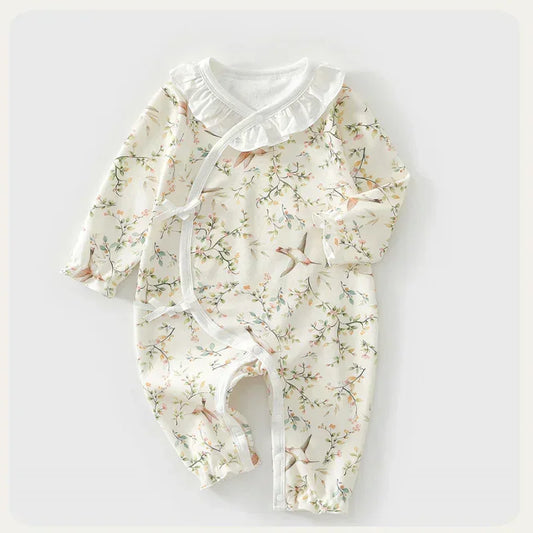
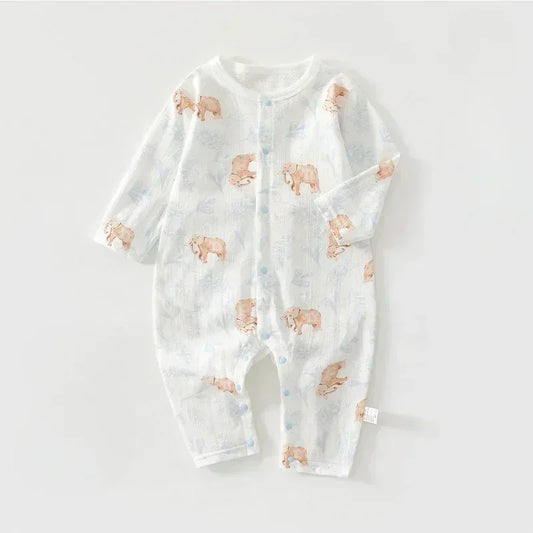
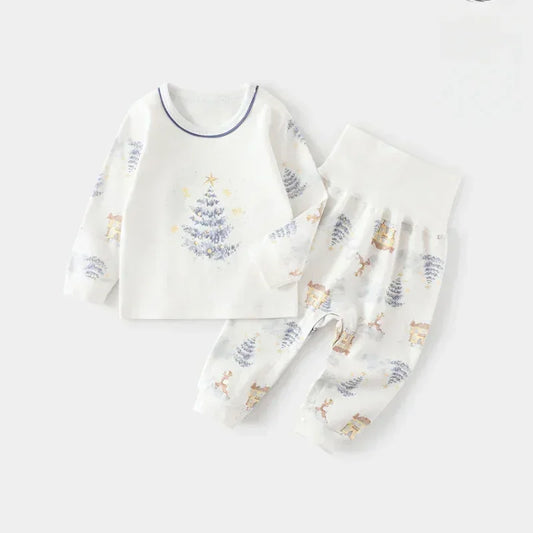
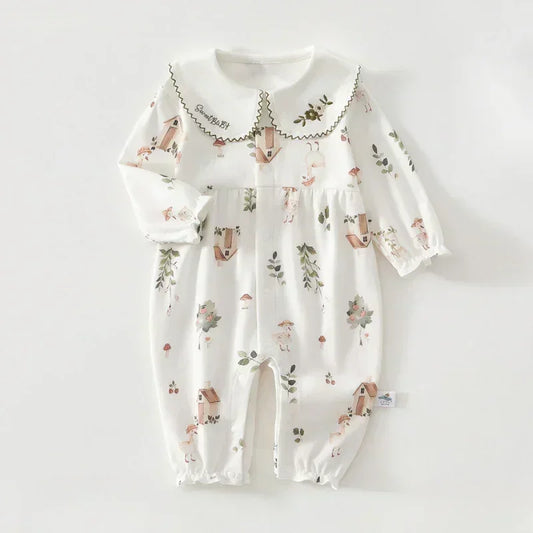
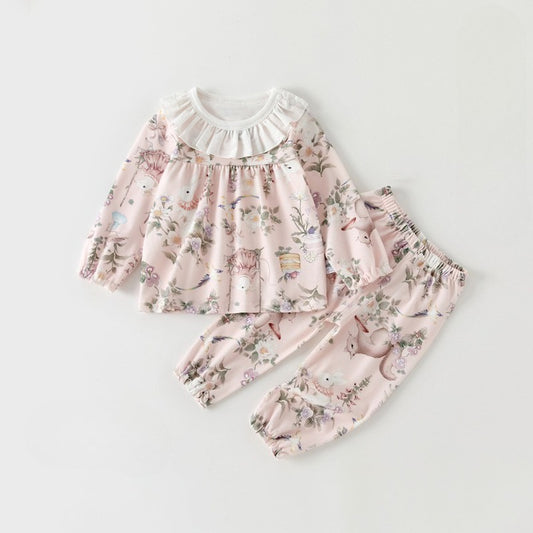
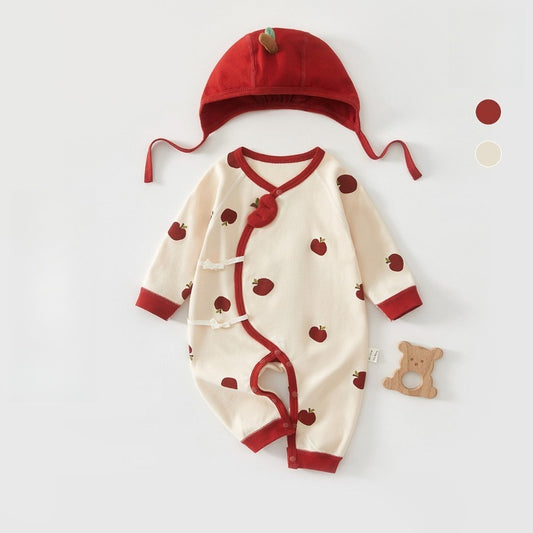
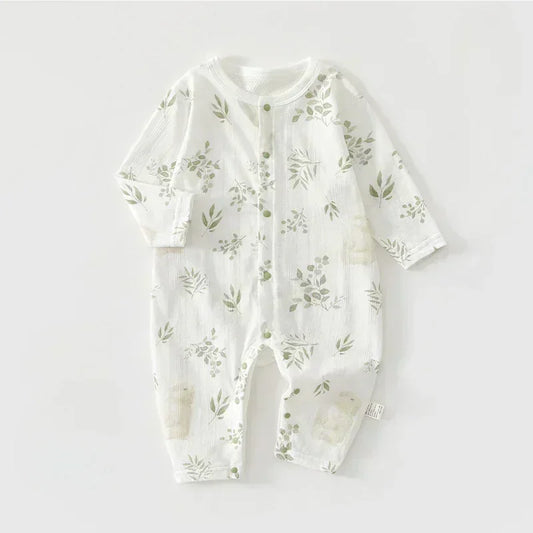
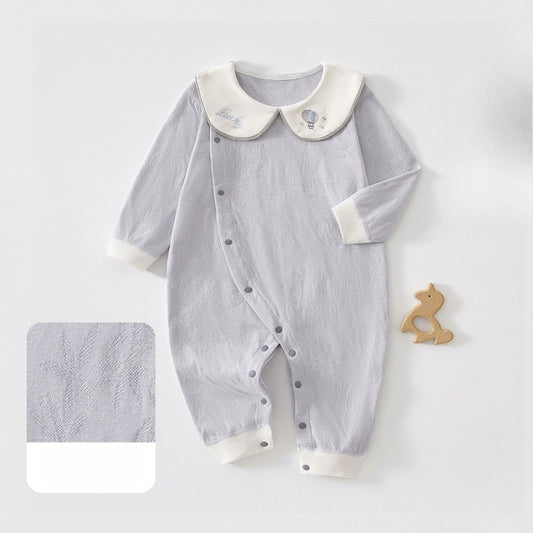
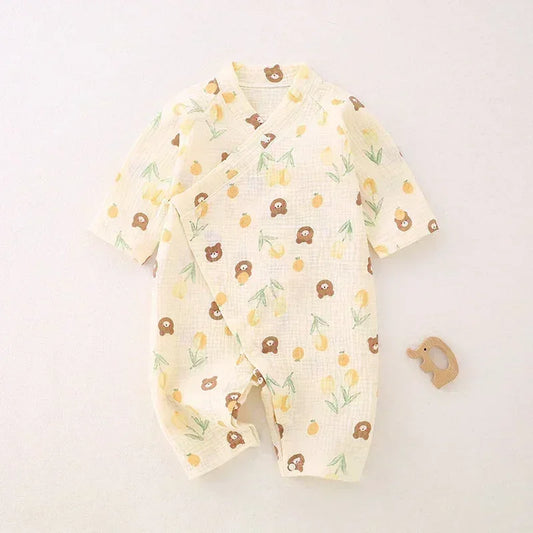
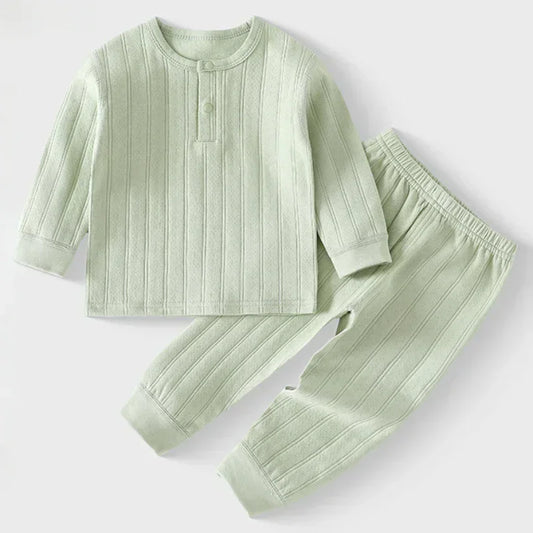
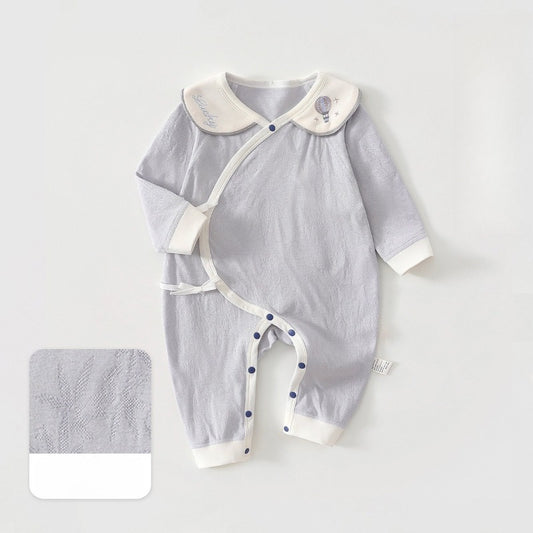
When you are operating on three hours of broken sleep, every decision feels monumental. The struggle is further agitated by external factors that parents often overlook. For instance, many parents choose baby clothing based on cute patterns rather than fabric quality. Cheap, synthetic materials like polyester or nylon can cause overheating and skin irritation. When a baby is uncomfortable in their own clothes, they become fussier during feeding sessions, making it nearly impossible to establish a consistent feeding routine. This physical discomfort translates into disrupted sleep and irregular hunger cues, leaving parents feeling defeated and the nursery feeling like a place of stress rather than bonding.
The Solution: A Holistic Approach to Feeding and Comfort
The secret to a successful newborn feeding schedule lies in a combination of structural guidance and environmental comfort. By switching to high-quality organic cotton clothing and linens, you provide a breathable, hypoallergenic layer that keeps your baby calm and comfortable. When a baby is physically at ease, their natural hunger and sleep cues become much clearer and easier to track. Below is our comprehensive month-by-month reference chart to help you navigate this first year with confidence and peace of mind.
Month 1: The On-Demand Phase
In the first few weeks, your baby's stomach is tiny. They need to eat frequently to regain their birth weight and support rapid brain development.
- Feeding Frequency: Every 2 to 3 hours for breastfed babies; 3 to 4 hours for formula-fed babies.
- Total Sessions: 8 to 12 feedings in a 24-hour period.
- Key Tip: Do not let your newborn sleep longer than 4 hours without a feeding until they have reached their birth weight milestone.
Months 2 to 3: Establishing a Gentle Rhythm
As your baby grows, their stomach capacity increases, allowing for slightly longer stretches between meals. This is often when parents start to see the first signs of a predictable daily rhythm.
- Feeding Frequency: Every 3 to 4 hours.
- Signs of Readiness: Baby becomes more alert and may start to self-soothe between feedings.
- Pro Tip: Use this time to introduce a consistent wind-down routine before evening feeds to signal the start of nighttime.
Months 4 to 6: The Transition to Solids
This is a major milestone. While milk or formula remains the primary source of nutrition, your baby may begin showing interest in what is on your plate.
- Feeding Frequency: 4 to 5 times per day as milk volume per bottle increases.
- Introduction of Solids: Many pediatricians recommend starting single-ingredient purees around 6 months.
- Comfort Check: Ensure your baby is wearing soft, non-restrictive organic cotton during high-chair sessions to prevent chafing and distractions.
Final Thoughts on Feeding Success
Remember that every baby is unique and growth spurts can temporarily disrupt even the best-planned routine. This newborn feeding schedule is a reference guide, not a set of rigid rules. By focusing on high-quality organic materials to keep your baby comfortable and following these monthly milestones, you are setting the foundation for a healthy, happy first year. Trust your instincts, consult your pediatrician, and remember that you are doing an incredible job during this transformative time.
![[2-Pieces Set] 100% Cotton Long-Sleeve Kimono Romper - Blue & Blue Stripe](http://www.organiccottonclubs.com/cdn/shop/files/2_afd198b870f106588ecfc526d714b7a8.jpg?v=1764440625&width=533)


![[2-Pieces Set] 100% Cotton Long Sleeve Side-Snap Bodysuit - Pink & Pink Stripe](http://www.organiccottonclubs.com/cdn/shop/files/2_e34e329d03103a1ef2a830ed0f72d8f4.jpg?v=1759165907&width=533)
![[2-Pieces Set] 100% Cotton Long Sleeve Snapup Romper - Green & Green Stripe](http://www.organiccottonclubs.com/cdn/shop/files/4_dcde8d24f74c34bd214567f4011b27d7.jpg?v=1759166636&width=533)