


Newborn Sleep Cycles Explained: A Visual Guide
Share
The Mystery of the 3 AM Wake-Up Call: Understanding Newborn Sleep
Every new parent has been there: it is 3:00 AM, and you are staring at your wide-awake newborn, wondering why they can not seem to stay asleep for more than forty-five minutes at a time. The exhaustion is real, and the confusion is even deeper. You have fed them, changed them, and rocked them, yet the cycle of wakefulness continues. The truth is, your baby is not trying to be difficult—they are simply navigating the complex world of newborn sleep cycles, which look nothing like our own.
The Science of the Cycle: Active vs. Quiet Sleep
Adults typically have sleep cycles that last about 90 minutes. In contrast, a newborn sleep cycle is only about 40 to 50 minutes long. During this time, they transition between two main phases:
- Active Sleep (REM): This is when your baby might twitch, make noises, or even smile. Their brain is incredibly busy during this phase, processing the day's events.
- Quiet Sleep (Non-REM): This is the deep, restorative sleep where the body focuses on physical growth and repair.
Because their cycles are so short, newborns spend more time in 'light' sleep, making them highly susceptible to environmental disruptions.
The Hidden Disruptor: Why Cheap Fabric Hurts Sleep
While we often focus on noise or light, one of the most significant sleep disruptors is often overlooked: the fabric touching your baby's skin. Many standard baby sheets and swaddles are made from synthetic blends or treated with harsh chemicals. These materials are non-breathable, often leading to overheating—a primary reason babies wake up during a cycle transition.
Imagine trying to sleep in a plastic bag. That is essentially what cheap polyester feels like to a newborn's sensitive skin. It traps moisture, causes rashes, and creates a 'prickly' sensation that prevents them from entering that deep, quiet sleep phase. When your baby's body temperature fluctuates because of poor fabric quality, their brain signals them to wake up as a survival mechanism.
The Solution: Why Organic Cotton is a Sleep-Game Changer
If you want to maximize those 50-minute cycles and help your baby transition into the next one without waking, you must prioritize their physical comfort. This is where high-quality organic cotton becomes an essential tool for every parent.
Benefits of Organic Cotton for Sleep:
- Superior Thermoregulation: Organic cotton is naturally breathable. It allows air to circulate, keeping your baby cool in the summer and warm in the winter, preventing those heat-related wake-ups.
- Hypoallergenic and Pure: Free from toxic pesticides and synthetic dyes, organic cotton does not irritate delicate skin or cause the 'itch-wake' cycle common with cheaper fabrics.
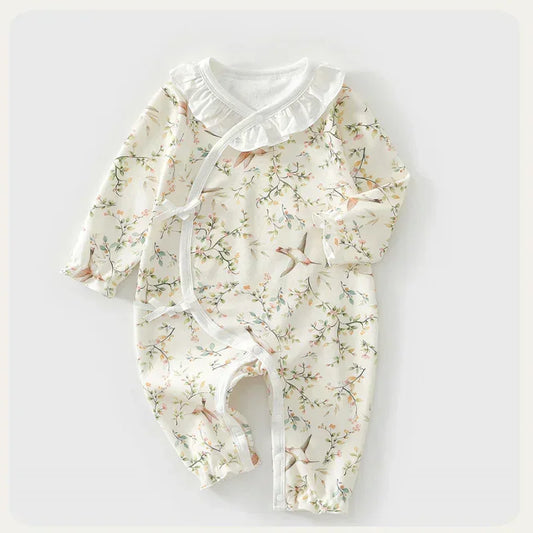
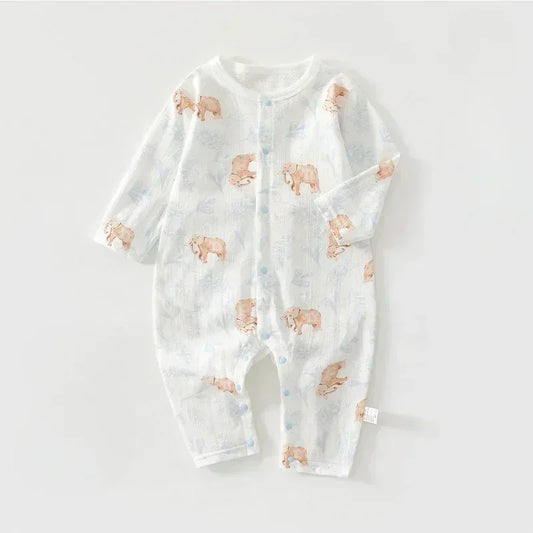
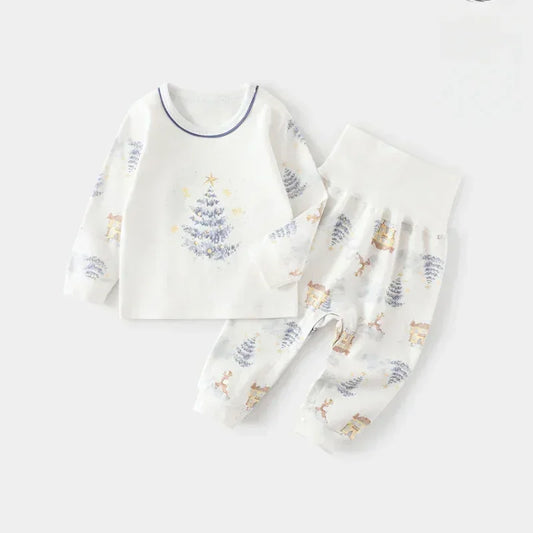
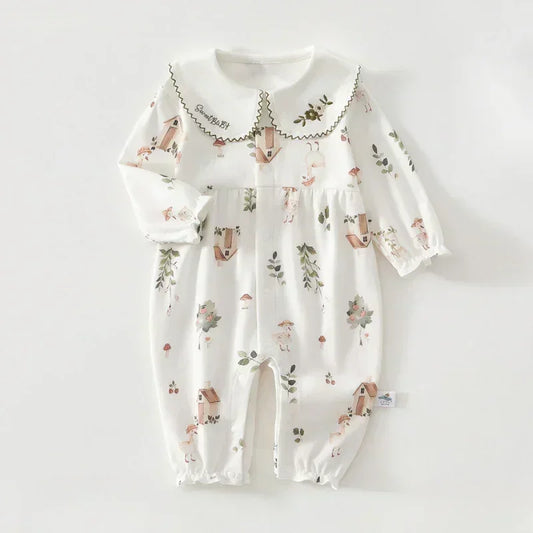
- Unmatched Softness: The long fibers of high-quality organic cotton provide a buttery-soft texture that mimics the comfort of the womb, helping soothe a baby back to sleep during light sleep phases.
Creating the Ultimate Sleep Sanctuary
Understanding the cycles is the first step; creating the environment is the second. Pair your knowledge of sleep science with a nursery designed for success. Use blackout curtains to signal the brain to produce melatonin, maintain a room temperature between 68-72°F (20-22°C), and always choose GOTS-certified organic cotton bedding.
Final Thoughts
Newborn sleep is a journey, not a destination. By understanding that their cycles are naturally short and highly sensitive, you can stop blaming yourself for the wake-ups and start addressing the environmental factors you can control. Investing in high-quality, organic materials isn't just a luxury—it is a strategic choice to help your baby (and you) finally get the rest you deserve.
![[2-Pieces Set] 100% Cotton Long-Sleeve Kimono Romper - Blue & Blue Stripe](http://www.organiccottonclubs.com/cdn/shop/files/2_afd198b870f106588ecfc526d714b7a8.jpg?v=1764440625&width=533)


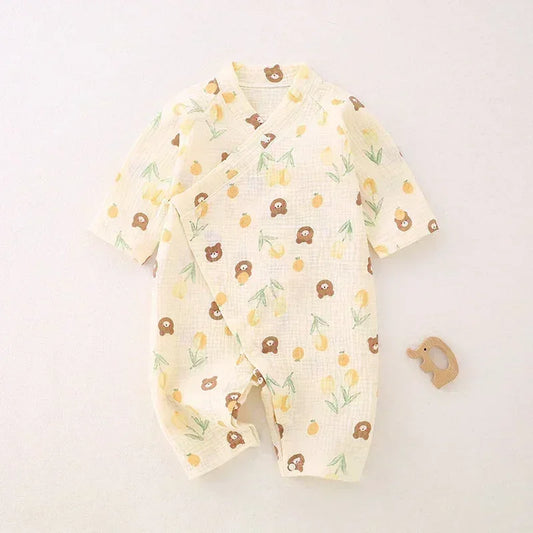
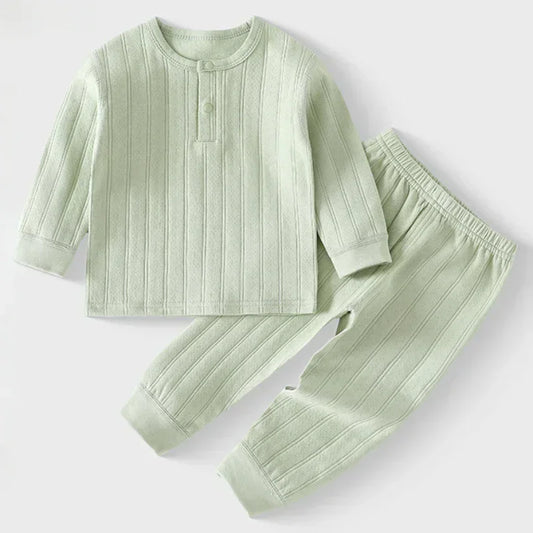
![[2-Pieces Set] 100% Cotton Long Sleeve Side-Snap Bodysuit - Pink & Pink Stripe](http://www.organiccottonclubs.com/cdn/shop/files/2_e34e329d03103a1ef2a830ed0f72d8f4.jpg?v=1759165907&width=533)
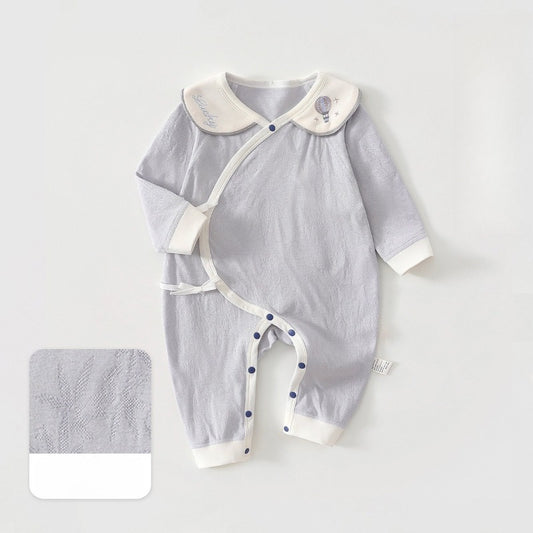
![[2-Pieces Set] 100% Cotton Long Sleeve Snapup Romper - Green & Green Stripe](http://www.organiccottonclubs.com/cdn/shop/files/4_dcde8d24f74c34bd214567f4011b27d7.jpg?v=1759166636&width=533)