

Organic Fabric Guide: Cotton vs. Bamboo vs. Muslin Compared
Share
Choosing the Best for Your Baby's Skin: Organic Cotton vs. Bamboo vs. Muslin
As a new parent, every choice feels monumental. You spend hours researching the safest car seats and the best strollers, but have you looked closely at the tags on those adorable onesies? The truth is that what touches your baby's skin for 24 hours a day matters just as much as any gear purchase. Most big-box retailers sell baby clothes made from synthetic blends or conventional cotton treated with harsh pesticides. These fabrics are often scratchy, non-breathable, and can lead to irritation or heat rashes on delicate skin. For a newborn whose skin is up to five times thinner than an adult's, these cheap materials are more than just a nuisance; they are a source of constant discomfort.
The Hidden Problem with Synthetic Baby Clothes
It is heartbreaking to see your little one waking up from a nap red-faced and sweaty because their pajamas trapped heat. Standard synthetic fibers are essentially plastic, meaning they do not allow moisture to wick away. This creates a breeding ground for bacteria and skin flare-ups. If you have ever wondered why your baby is fussy during changes or sleep, the culprit might be right in their dresser. Cheaply produced fabrics also lose their shape and softness after just a few washes, forcing you to buy more and creating a cycle of waste that hurts both your wallet and the planet.
The Solution: Choosing the Right Organic Fabric
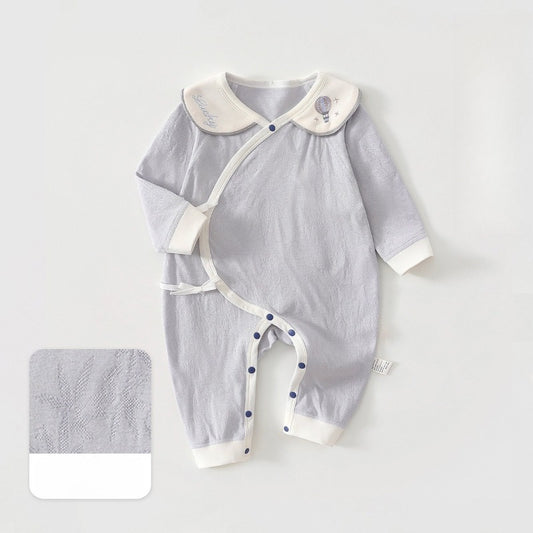
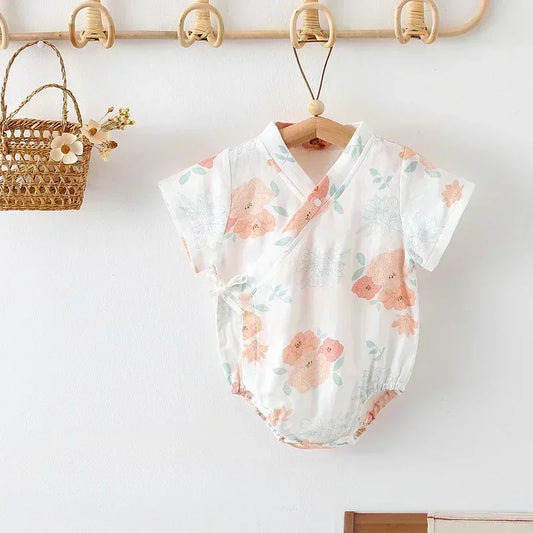
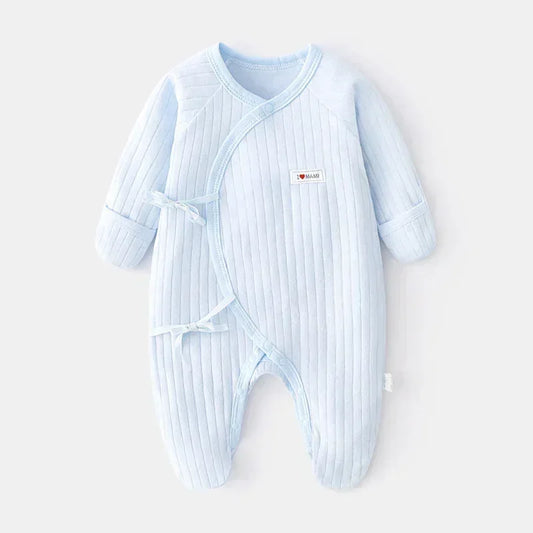
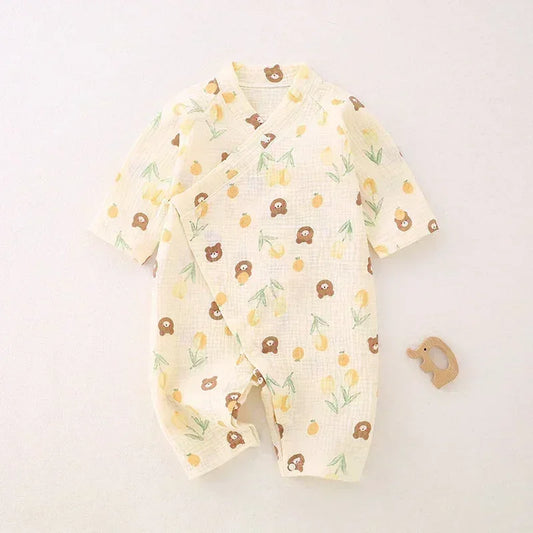
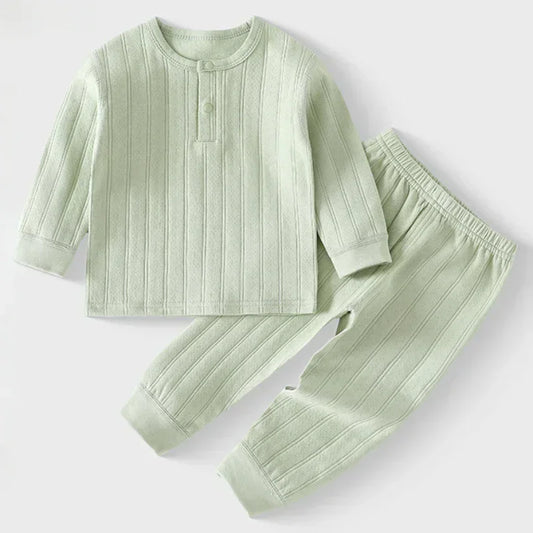
The good news is that you can simplify your life by focusing on three powerhouse organic fabrics: Cotton, Bamboo, and Muslin. Each has unique strengths that cater to different needs in the nursery. Organic Cotton is the gold standard for durability. It is hypoallergenic, free from toxic chemicals, and actually gets softer with every wash. It is the perfect choice for everyday onesies and playwear. Bamboo is a highly sustainable and incredibly soft alternative. It has natural temperature-regulating properties, making it perfect for babies who run hot or live in warmer climates. Muslin is a lightweight, open-weave cotton that is the absolute best for swaddling. The loose weave allows for maximum airflow, significantly reducing the risk of overheating during sleep.
Comparison at a Glance
- Organic Cotton: Best for durability and sensitive skin. It provides a familiar, sturdy feel that stands up to frequent laundering.
- Bamboo: Best for temperature regulation. It has a silky drape and moisture-wicking properties that keep babies cool and dry.
- Muslin: Best for swaddles and summer comfort. Its breathability is unmatched, making it a safety favorite for sleeping infants.
By choosing these natural alternatives, you are investing in your baby’s comfort and your own peace of mind. Selecting the right fabric does not have to be overwhelming. Start by replacing the items that touch your baby's skin most often, like sleepers and swaddles. Whether you choose the durability of organic cotton, the softness of bamboo, or the breathability of muslin, your baby’s skin will thank you.
Final Thoughts
Quality over quantity is the secret to a happy, healthy nursery. While the initial cost of organic fabrics may be higher, their longevity and the health benefits they provide for your child are priceless. When you choose organic, you are choosing a softer start for your little one and a greener future for the world they will grow up in.
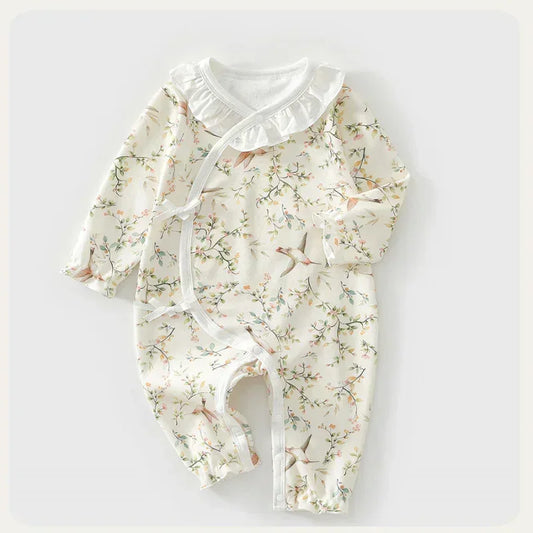
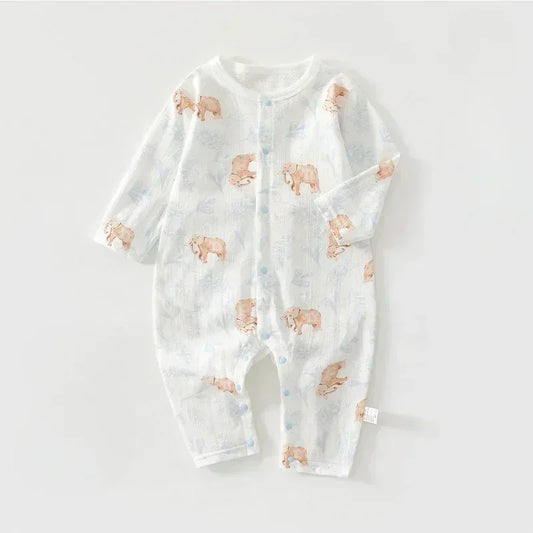
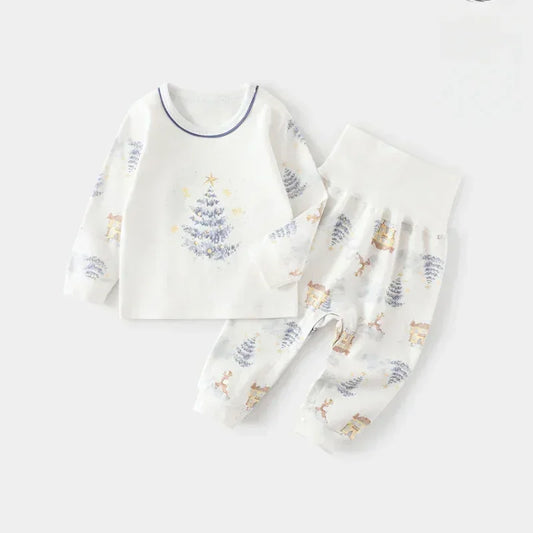
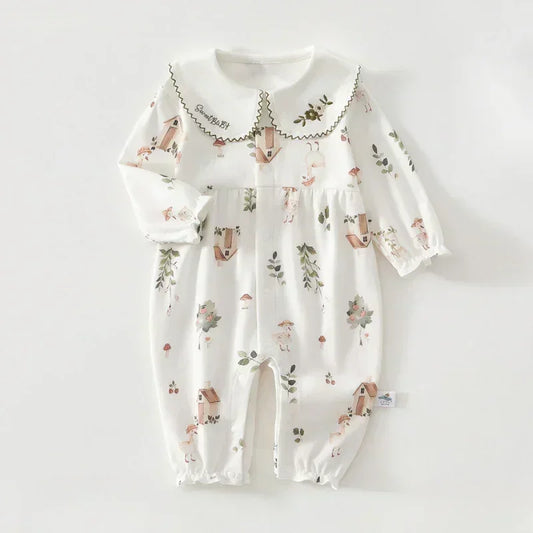
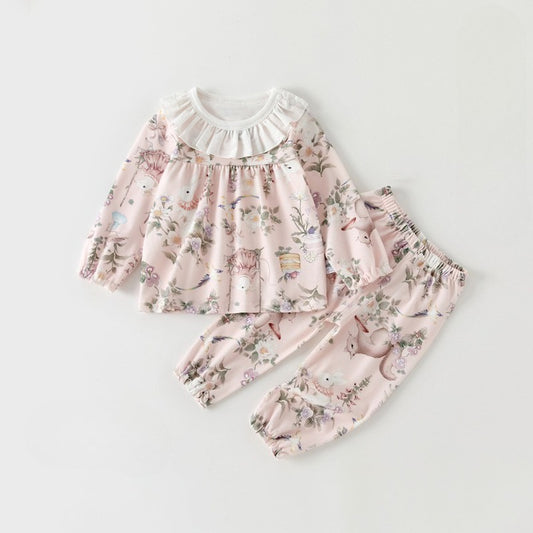
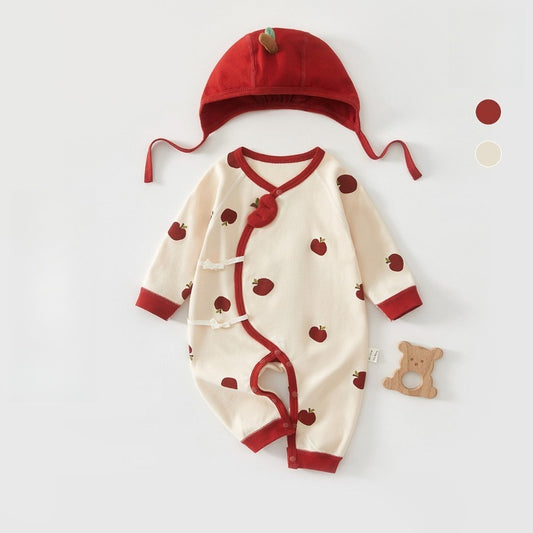
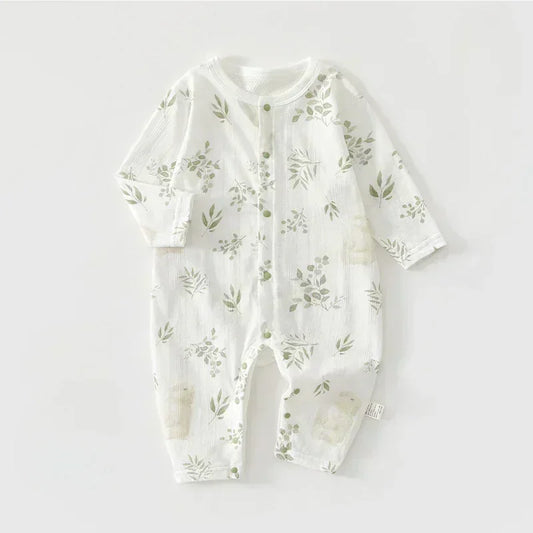
![[2-Pieces Set] 100% Cotton Long-Sleeve Kimono Romper - Blue & Blue Stripe](http://www.organiccottonclubs.com/cdn/shop/files/2_afd198b870f106588ecfc526d714b7a8.jpg?v=1764440625&width=533)
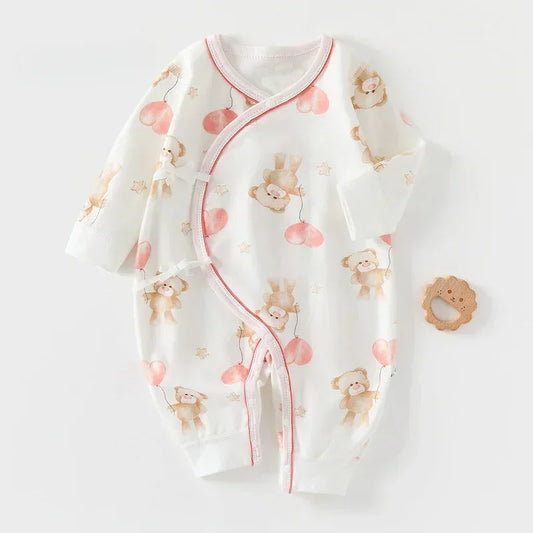
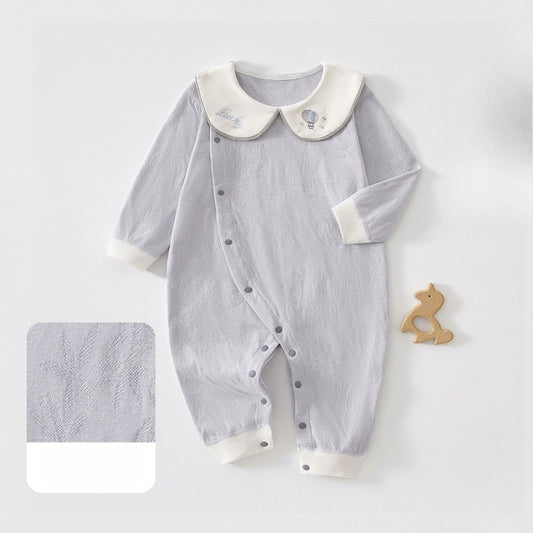
![[2-Pieces Set] 100% Cotton Long Sleeve Side-Snap Bodysuit - Pink & Pink Stripe](http://www.organiccottonclubs.com/cdn/shop/files/2_e34e329d03103a1ef2a830ed0f72d8f4.jpg?v=1759165907&width=533)