

Organic vs. Conventional Cotton: A Visual Comparison
Share
Organic vs. Conventional Cotton: A Visual Comparison for Your Baby's Safety
Preparing a nursery is one of the most exciting yet overwhelming journeys for any new parent. You want every detail to be perfect, from the shade of the walls to the softness of the crib sheets. However, beneath the surface of those adorable newborn onesies lies a hidden decision that impacts your baby's health and the planet's future: the choice between organic and conventional cotton.
The Parenting Struggle: The High Cost of 'Cheap' Fabrics
We've all been there. You're browsing the aisles or scrolling through endless pages of baby clothes, and the price difference between a standard five-pack of bodysuits and a single organic romper is jarring. It is tempting to opt for the budget-friendly conventional cotton. After all, cotton is a natural fiber, right? The struggle is real—balancing a household budget while wanting to provide the highest level of care for a delicate new human being whose skin is thinner and more absorbent than our own.
The Agitation: Why Conventional Cotton is a Hidden Risk
What many manufacturers don't mention is that conventional cotton is often referred to as the 'world's dirtiest crop.' To keep prices low and yields high, it is treated with heavy doses of synthetic pesticides, herbicides, and fertilizers. These chemicals don't just disappear once the fabric is woven. Residual toxins can remain in the fibers, resting directly against your baby's skin. Conventional processing also involves harsh bleaches and heavy metal dyes to achieve that 'bright white' or 'vivid blue' look.
For a newborn with sensitive skin, these chemicals can be a primary trigger for contact dermatitis, eczema flares, and unexplained rashes. Furthermore, the short-staple fibers used in mass-produced cotton break down quickly, leading to pilling, scratching, and a loss of softness after just a few washes. That 'deal' you found often ends up in the trash because it becomes too rough for your baby to wear.
The Solution: Why Organic Cotton is the Gold Standard
Organic cotton isn't just a marketing buzzword; it is a completely different approach to textile production. From the non-GMO seeds to the chemical-free harvesting, organic cotton is grown in a way that respects the soil and the wearer. When you choose organic, you are choosing a fabric that is GOTS (Global Organic Textile Standard) certified, ensuring that no toxic chemicals touch the garment at any stage.
- Superior Softness: Because organic cotton is hand-picked rather than machine-harvested, the fibers are not weakened or broken by heavy machinery. This results in longer, smoother fibers that feel like a cloud against the skin.
- Breathability and Temperature Control: Organic fibers remain 'open' and natural, allowing for better airflow. This helps prevent your baby from overheating—a major concern for SIDS prevention and general comfort.
- Durability: Without the chemical processing that strips the fiber of its natural wax and strength, organic cotton lasts up to five times longer than conventional cotton. It actually gets softer with every wash.
- Pure Aesthetic: Organic cotton has a natural, creamy luster. Even when dyed with water-based, non-toxic pigments, the colors have a depth and earthiness that fits perfectly into the modern, 'quiet luxury' nursery aesthetic.
The Visual Comparison: At a Glance
When you place the two side-by-side, the differences become clear. Conventional cotton often has a slightly shiny, 'coated' feel due to chemical finishes. It may show signs of pilling (those tiny little lint balls) after the first wash. In contrast, organic cotton has a matte, rich texture. It drapes naturally and feels substantial yet lightweight.
Final Thoughts: Investing in Your Peace of Mind
While the initial investment in organic cotton may be higher, the long-term value is undeniable. You are investing in fewer items of higher quality, ensuring your baby is safe from synthetic toxins, and supporting a farming system that protects the Earth. For a parent, there is no greater luxury than the peace of mind that comes from knowing your baby is wrapped in the purest materials possible.
Next time you shop, look past the price tag and look at the label. Your baby's skin will thank you.
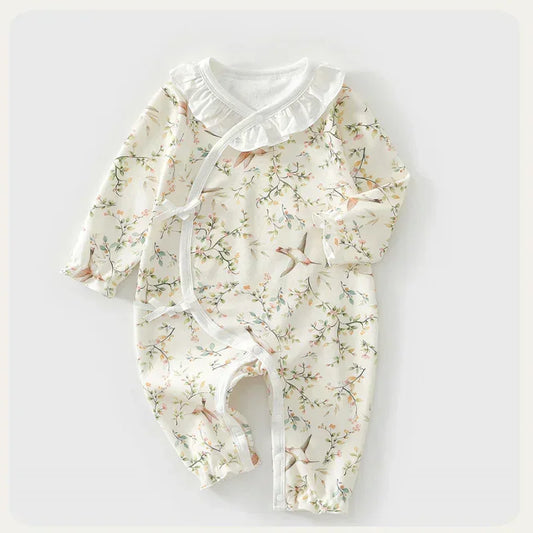
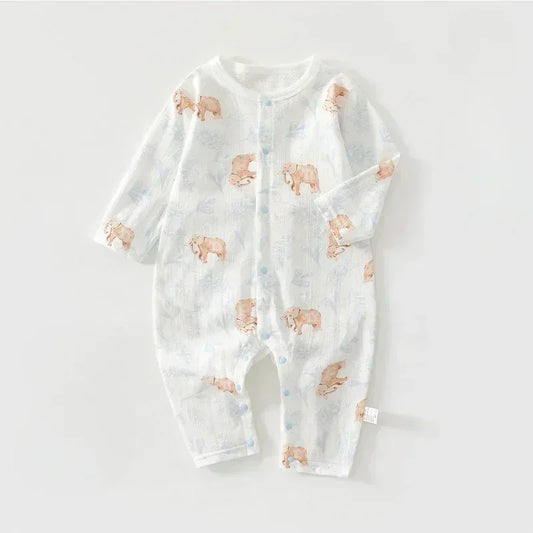
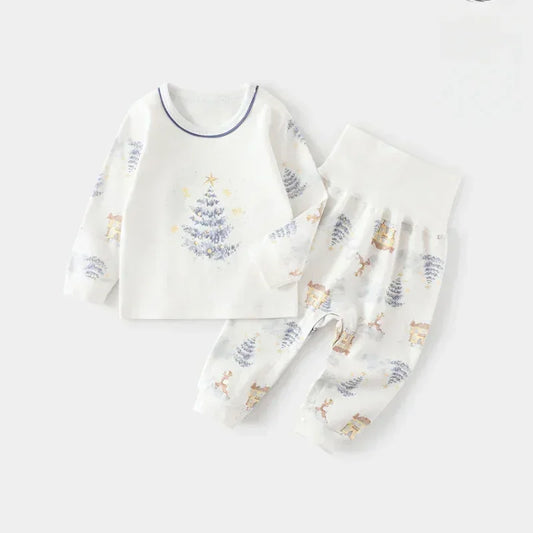
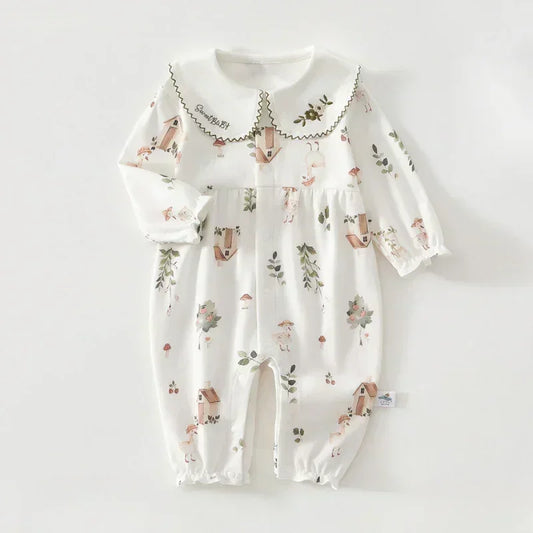
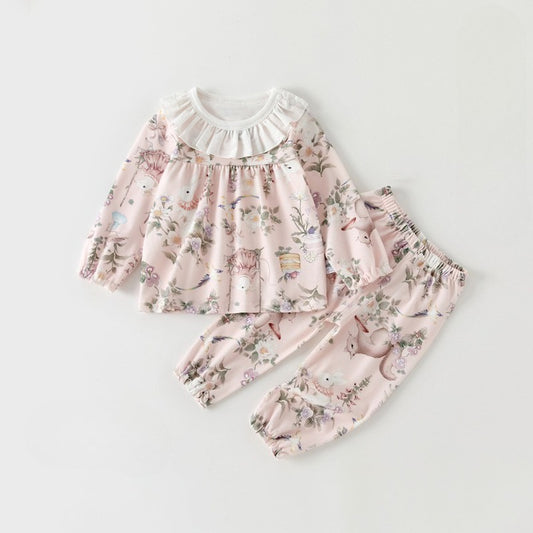
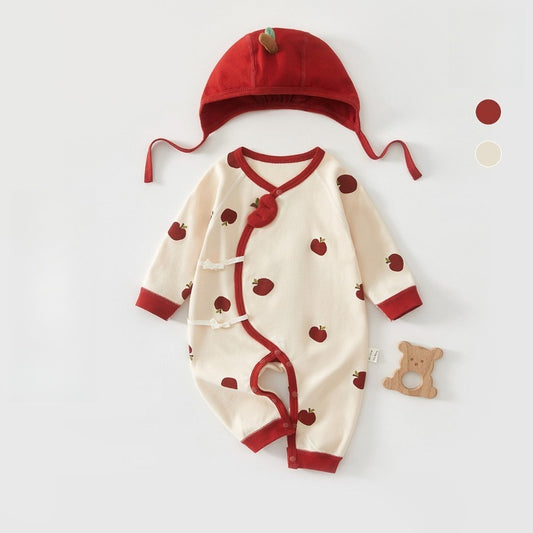
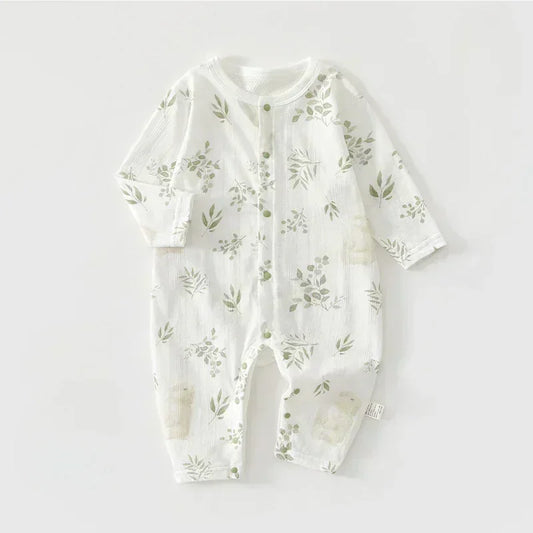
![[2-Pieces Set] 100% Cotton Long-Sleeve Kimono Romper - Blue & Blue Stripe](http://www.organiccottonclubs.com/cdn/shop/files/2_afd198b870f106588ecfc526d714b7a8.jpg?v=1764440625&width=533)


![[2-Pieces Set] 100% Cotton Long Sleeve Side-Snap Bodysuit - Pink & Pink Stripe](http://www.organiccottonclubs.com/cdn/shop/files/2_e34e329d03103a1ef2a830ed0f72d8f4.jpg?v=1759165907&width=533)
![[2-Pieces Set] 100% Cotton Long Sleeve Snapup Romper - Green & Green Stripe](http://www.organiccottonclubs.com/cdn/shop/files/4_dcde8d24f74c34bd214567f4011b27d7.jpg?v=1759166636&width=533)