


Overheating at Night: The connection between synthetic fabrics and night waking.
Share
The Midnight Struggle: Why is Your Baby Waking Up Hot?
You have done everything right: the white noise is hummed to perfection, the room temperature is set, and the bedtime routine went off without a hitch. Yet, like clockwork, your little one is awake just a few hours later, crying and damp with sweat. If this scenario sounds familiar, you are not alone. Many parents find themselves trapped in a cycle of night waking that seems to have no clear cause. However, the answer often lies right beneath your baby's skin. Overheating at night is a primary driver of infant sleep disruption, and the connection to the fabrics they wear is more significant than most realize. When a baby's body temperature rises too high, it triggers a wake response as a biological safety mechanism, leading to those exhausting midnight reunions.
The Hidden Culprit: Why Synthetic Fabrics Hurt Sleep
Many modern sleepwear and bedding options are made from synthetic materials like polyester, fleece, or nylon. While these fabrics are durable and cost-effective, they are essentially refined plastic. This means they are inherently non-breathable. When your baby sleeps in synthetic materials, their body heat has nowhere to escape. It becomes trapped against their skin, creating a 'greenhouse effect' that rapidly raises their core temperature. Because babies cannot regulate their body temperature as efficiently as adults—and they cannot simply kick off a heavy blanket—this discomfort leads to restlessness, sweating, and eventually, a full wake-up call. These synthetic 'micro-climates' are the silent enemy of a long, restorative night's sleep for both you and your child.
The Organic Solution: Why Natural Fibers Win
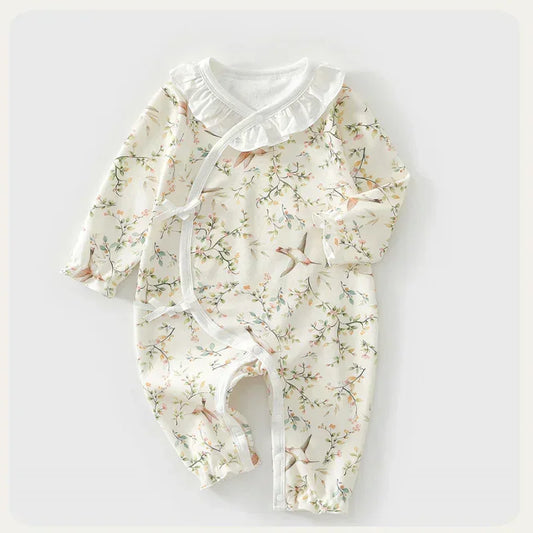
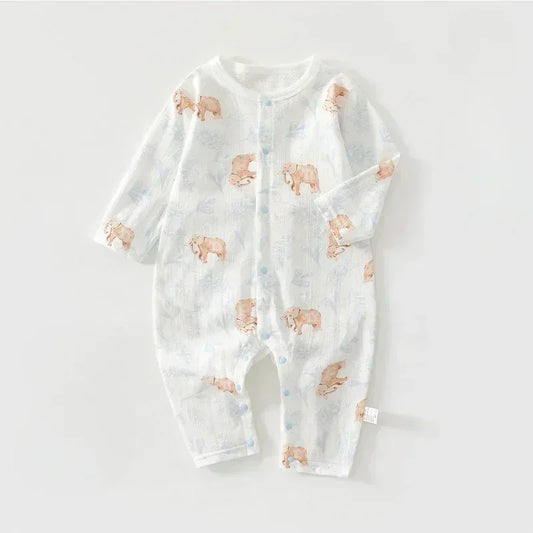
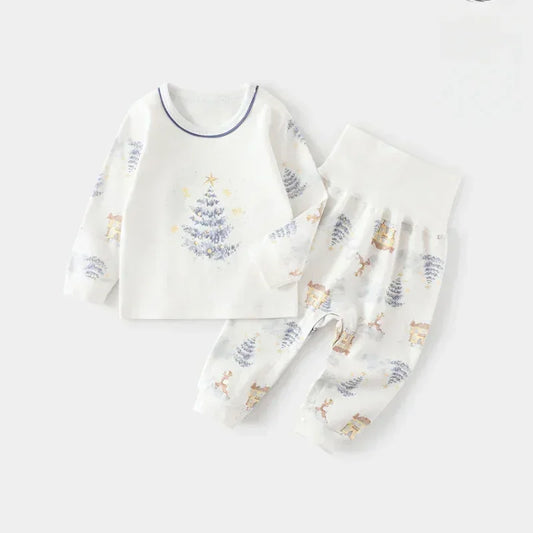
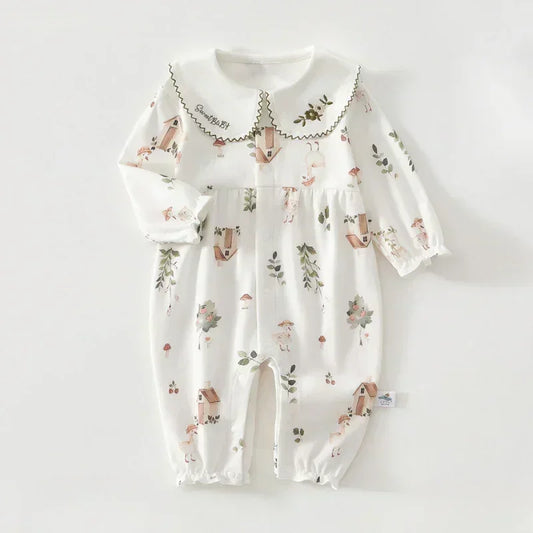
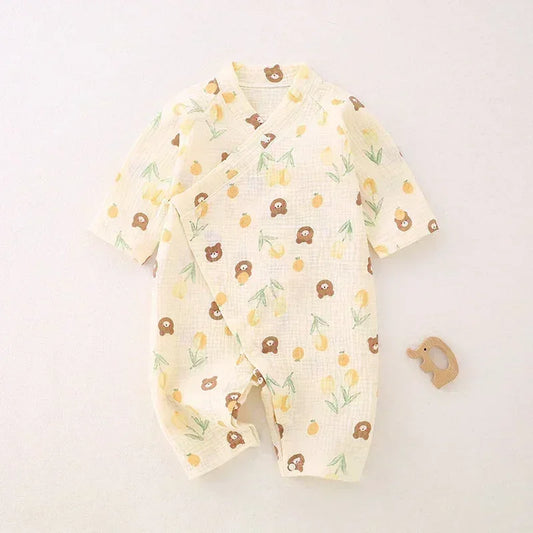
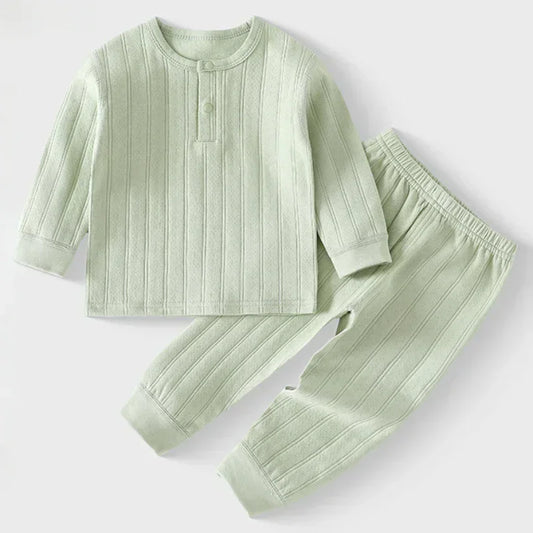
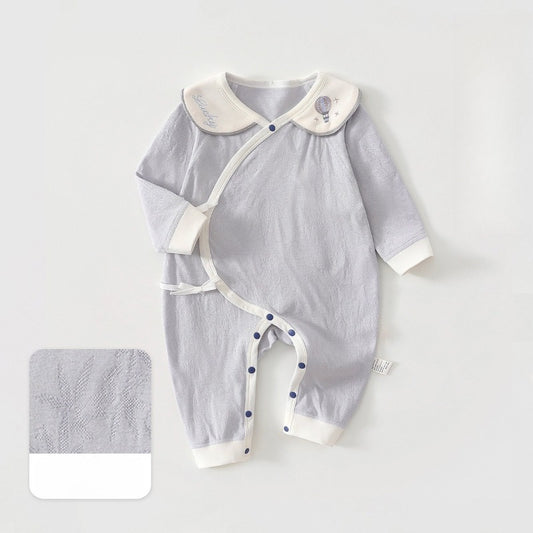
The solution is simpler than you might think: switching to high-quality organic cotton. Unlike synthetics, organic cotton is a hollow fiber that allows for maximum airflow and natural ventilation. It is naturally moisture-wicking, meaning it pulls dampness away from the skin rather than trapping it there to cool and become clammy. When you dress your baby in organic cotton, you are providing a breathable layer that works in harmony with their body to maintain a steady, comfortable temperature throughout the night. No more sweaty backs, damp hair, or heat-induced irritability—just pure, breathable comfort that encourages longer sleep cycles and deeper REM stages.
Practical Tips for a Cooler, Better Night
- Choose GOTS-Certified Organic Cotton: Ensure all layers, including crib sheets and sleep sacks, are made from certified organic fibers to guarantee no chemical residues are blocking breathability.
- Understand TOG Ratings: Check the Thermal Overall Grade (TOG) of your baby's sleep bag to ensure it matches your specific nursery temperature.
- Eliminate the 'Minky' Trap: Avoid plush 'minky' or fleece blankets which are almost always 100% polyester and act as heat insulators.
- Monitor the Room Environment: Keep the nursery between 68 and 72 degrees Fahrenheit (20-22 Celsius) to complement breathable bedding.
Final Thoughts
A good night's sleep is the foundation of a happy, healthy home. By removing synthetic barriers and embracing the natural breathability of organic cotton, you are giving your baby the best chance at restful, uninterrupted sleep. It's time to ditch the plastic-based fabrics and return to nature for the sake of your child's comfort and your own peace of mind. Investing in breathable sleepwear is not just a luxury; it is a fundamental step in solving the puzzle of night waking.
![[2-Pieces Set] 100% Cotton Long-Sleeve Kimono Romper - Blue & Blue Stripe](http://www.organiccottonclubs.com/cdn/shop/files/2_afd198b870f106588ecfc526d714b7a8.jpg?v=1764440625&width=533)


![[2-Pieces Set] 100% Cotton Long Sleeve Side-Snap Bodysuit - Pink & Pink Stripe](http://www.organiccottonclubs.com/cdn/shop/files/2_e34e329d03103a1ef2a830ed0f72d8f4.jpg?v=1759165907&width=533)
![[2-Pieces Set] 100% Cotton Long Sleeve Snapup Romper - Green & Green Stripe](http://www.organiccottonclubs.com/cdn/shop/files/4_dcde8d24f74c34bd214567f4011b27d7.jpg?v=1759166636&width=533)