

Plastic-Free Parenting: How to reduce microplastics in your baby's laundry.
Share
Welcoming Your Baby to a Purer, Safer World
As a new parent, you're building a sanctuary for your little one, a world filled with love, comfort, and safety. You meticulously choose the softest blankets, the gentlest soaps, and the purest foods. But what about the invisible threats? In our quest to provide the best, it's easy to overlook a hidden concern lurking in our laundry rooms: microplastics. These tiny plastic particles, shed from synthetic fabrics, can find their way into our water systems and, concerningly, onto our baby's delicate skin. This guide will walk you through simple, loving steps to reduce microplastics in your baby's laundry, creating an even healthier environment for them to thrive in.
What Are Microplastics and Why Should Parents Be Concerned?
Microplastics are minuscule plastic fragments (less than 5mm long) that break off from larger plastic items. A major source in our homes is synthetic clothing—think polyester fleece sleepers, nylon swaddles, and acrylic blankets. Every time these items are washed, they release thousands of microscopic plastic fibers into the wash water.
For babies, this poses a unique concern. Their skin is thinner and more permeable than ours, making it more susceptible to irritants. While research is ongoing, the potential for these particles to cause skin irritation or be inhaled is a topic of growing importance for health-conscious parents. Choosing a plastic-free approach is a proactive way to minimize your baby’s exposure to unnecessary synthetic materials.
The Natural, Gentle Solution: The Power of Organic Cotton
The single most effective step you can take to eliminate microplastics from your baby's laundry is to choose natural fibers. And when it comes to your baby, nothing compares to the pure, gentle touch of GOTS-certified organic cotton.
Why Organic Cotton is a Parent's Best Friend:
- It's Naturally Plastic-Free: Unlike polyester or fleece, organic cotton is a plant-based fiber. It does not shed microplastics when washed. It’s that simple. By choosing cotton, you're stopping the problem at its source.
- Unmatched Softness for Sensitive Skin: Organic cotton is renowned for its incredible softness and breathability. It wicks moisture away, keeping your baby comfortable and reducing the risk of rashes and skin irritation like eczema.
- Hypoallergenic and Pure: To earn the GOTS (Global Organic Textile Standard) certification, cotton must be grown without toxic pesticides and manufactured without harsh chemicals like chlorine bleach or formaldehyde. This means a purer final product that is kind to your baby's developing systems.
- Durable and Long-Lasting: High-quality organic cotton fibers are strong. These garments hold up beautifully to repeated washing (following the right care, of course!), becoming family heirlooms rather than fast-fashion waste.
Practical Tips for a Microplastic-Free Laundry Routine
Beyond choosing the right fabrics, how you wash your baby's clothes can make a significant difference. Here are some easy-to-implement tips for a cleaner, greener laundry day:
- Wash Less, Spot Clean More: Not every item needs a full wash after one wear. For small spills or drool, a quick spot clean with a damp cloth can save a garment from an unnecessary trip through the machine, preserving the fabric and reducing overall shedding.
- Go Cool and Quick: Wash your laundry on a shorter cycle using cold water. Hot water and high-agitation cycles can cause fabrics (especially synthetics) to break down and release more fibers. Cold water is gentler on clothes and the planet.
- Consider a Laundry Filter: If you have existing synthetic items you can't replace (like a gifted fleece blanket), use a special laundry bag or a washing machine filter designed to capture microfibers. These tools trap the particles before they can go down the drain.
- Choose a Gentle, Liquid Detergent: Opt for a mild, eco-friendly liquid detergent. Powdered detergents can be more abrasive, causing more friction and fiber shedding. Liquids dissolve more easily in cold water and are generally gentler on fabrics.
- Embrace Air-Drying: The high heat and tumbling action of a dryer is harsh on clothing. Whenever possible, line-dry your baby’s clothes. It’s better for the fabrics, saves energy, and gives clothes a fresh, natural scent.
Small Changes, Big Impact
Parenthood is a journey of making conscious choices. Reducing microplastics is a simple yet powerful way to protect your baby's immediate environment and contribute to a healthier planet for their future. By embracing natural fibers like organic cotton and adopting a gentler laundry routine, you're wrapping your child in a layer of love, purity, and care that goes far beyond the fabric itself. Start with one small change today; your baby and the planet will thank you.
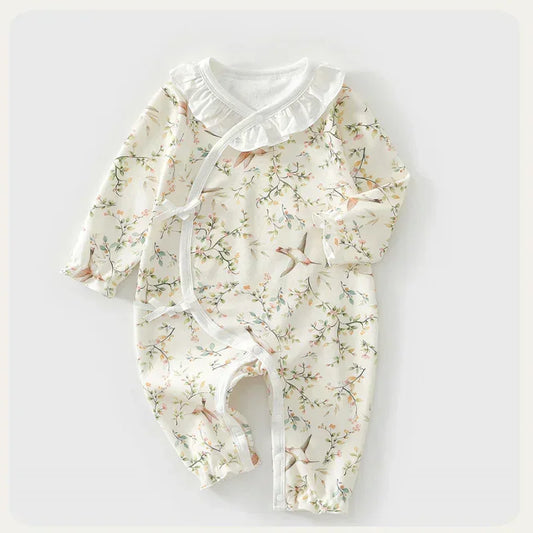
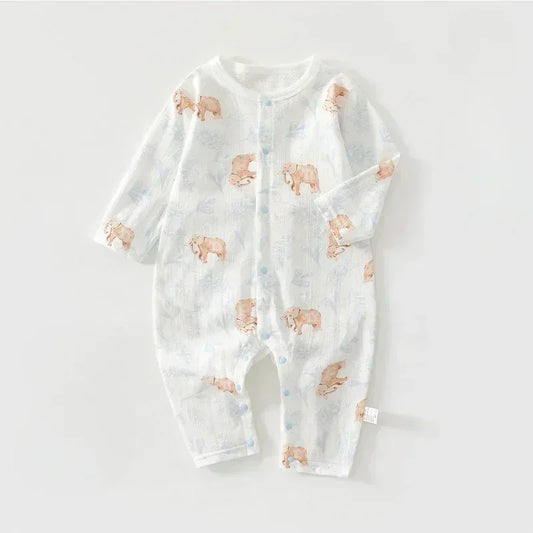
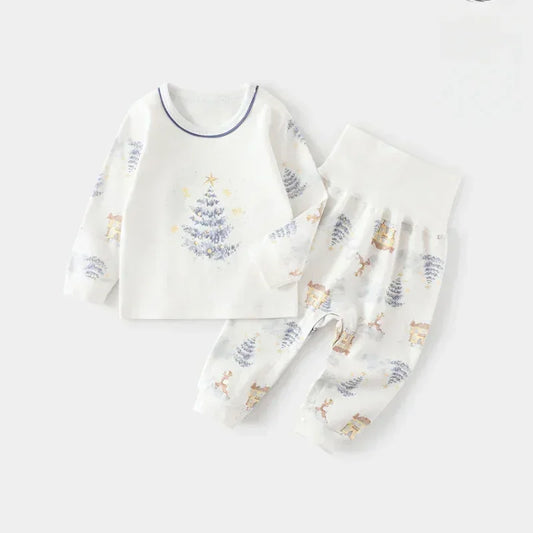
![[2-Pieces Set] 100% Cotton Long-Sleeve Kimono Romper - Blue & Blue Stripe](http://www.organiccottonclubs.com/cdn/shop/files/2_afd198b870f106588ecfc526d714b7a8.jpg?v=1764440625&width=533)


![[2-Pieces Set] 100% Cotton Long Sleeve Side-Snap Bodysuit - Pink & Pink Stripe](http://www.organiccottonclubs.com/cdn/shop/files/2_e34e329d03103a1ef2a830ed0f72d8f4.jpg?v=1759165907&width=533)
![[2-Pieces Set] 100% Cotton Long Sleeve Snapup Romper - Green & Green Stripe](http://www.organiccottonclubs.com/cdn/shop/files/4_dcde8d24f74c34bd214567f4011b27d7.jpg?v=1759166636&width=533)