


Poop Texture Decoder: Liquid vs. Seedy vs. Hard
Share
The Panic of the Diaper Change
You are in the middle of a late-night change when you see something unexpected in your baby's diaper. Is it too watery? Why does it look like mustard seeds? Every new parent has been there, staring at a mess and wondering if it signals a health issue. This constant worry can turn the bonding experience of early parenthood into a cycle of anxiety and stress. You want answers, but more importantly, you want your little one to be comfortable.
Why Material Matters During Messes
When your baby's digestion is off, their skin becomes incredibly sensitive. Cheap, synthetic diaper materials and harsh chemical wipes only agitate the problem, leading to painful rashes and an even fussier baby. If you are dealing with liquid or hard stools, the last thing you want is a friction-filled fabric making things worse. Agitating an already sore bottom with low-quality materials is a recipe for tears—for both you and the baby.
The Solution: Decoding and Softness
The key to peace of mind is understanding what you are seeing and reacting with the right care.
- Liquid Texture: If it is very watery and happens more often than feeds, it might be diarrhea. However, breastfed poop is naturally quite loose and mustard-colored.
- Seedy Texture: This is the gold standard for breastfed babies! Those little mustard-seed specks are perfectly healthy undigested milk fats and proteins.
- Hard Texture: Small, pebble-like stools usually indicate constipation or a need for more hydration or a fiber adjustment.
Final Thoughts
Trust your gut and monitor your baby's comfort. By decoding the diaper and choosing organic, you are providing the best care possible for your baby's health and skin. When in doubt, always consult your pediatrician.
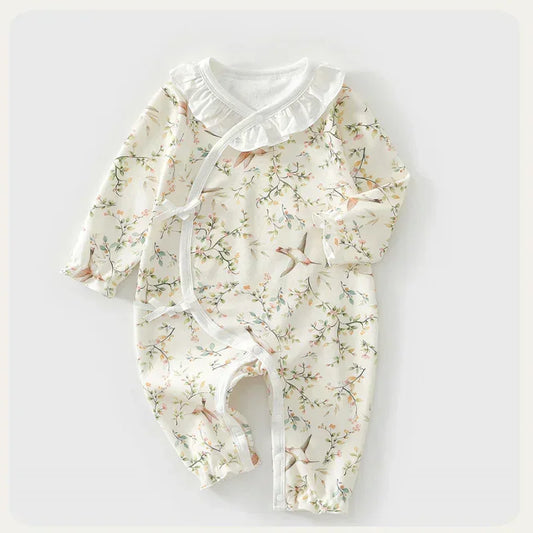
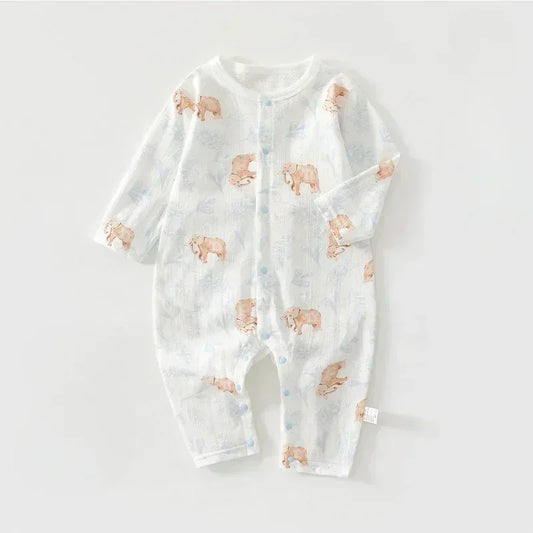
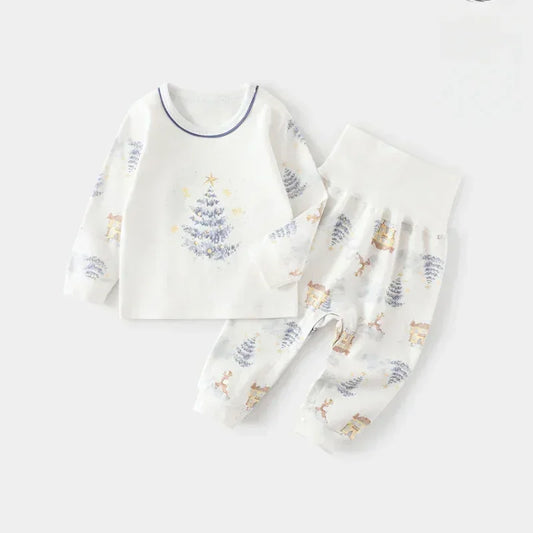
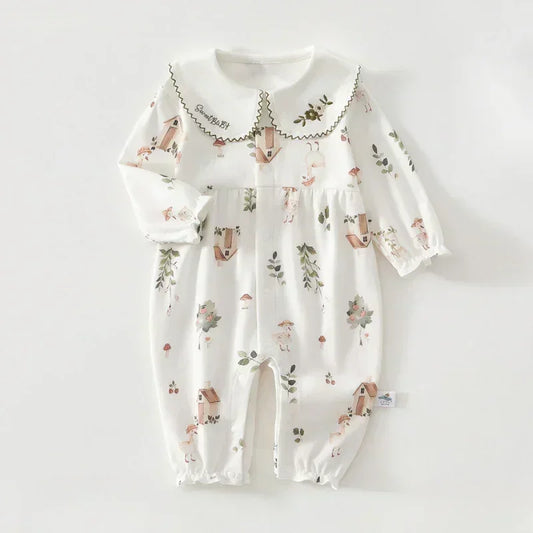
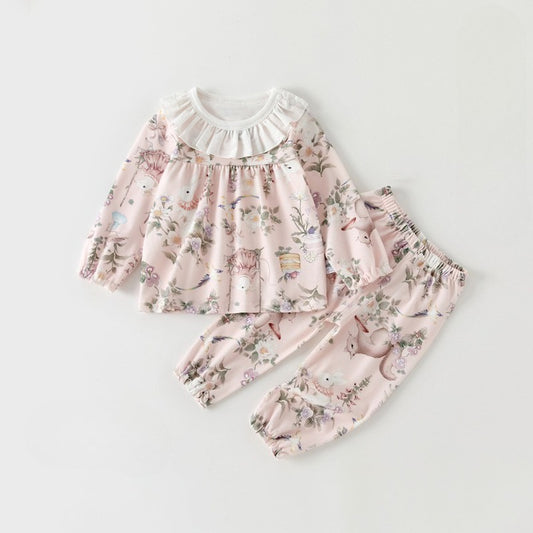
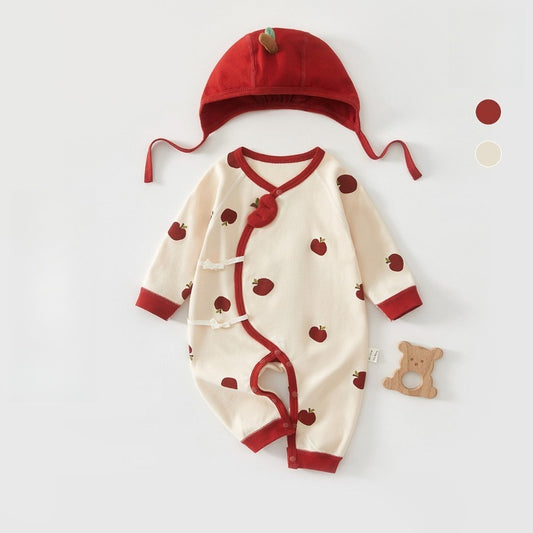
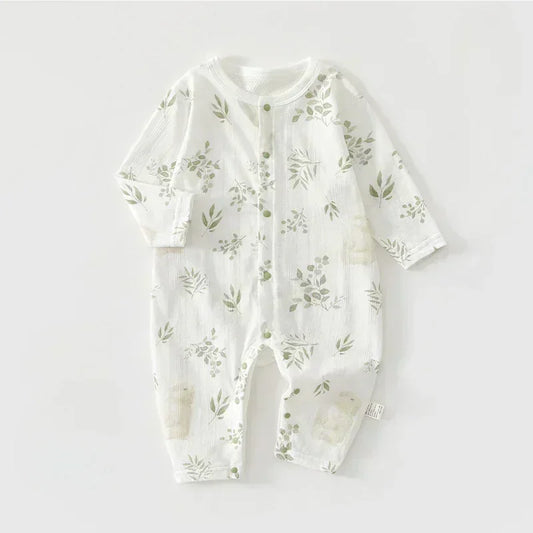
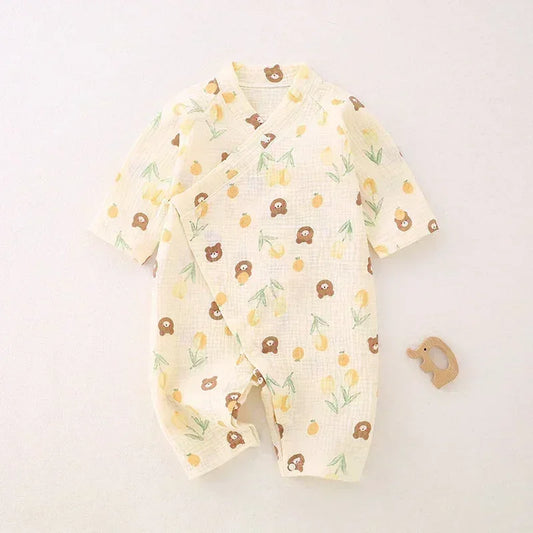
![[2-Pieces Set] 100% Cotton Long-Sleeve Kimono Romper - Blue & Blue Stripe](http://www.organiccottonclubs.com/cdn/shop/files/2_afd198b870f106588ecfc526d714b7a8.jpg?v=1764440625&width=533)

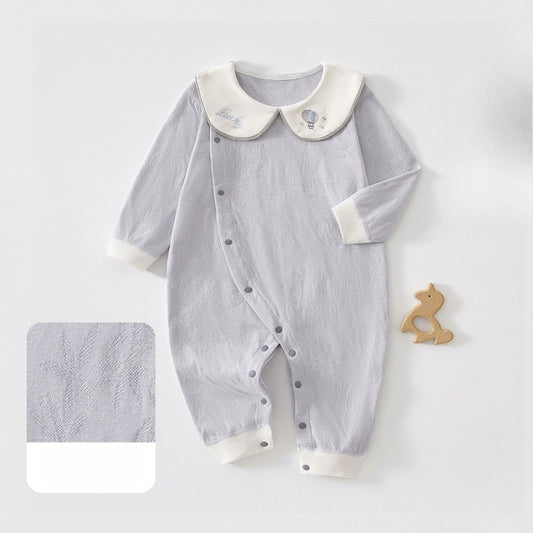

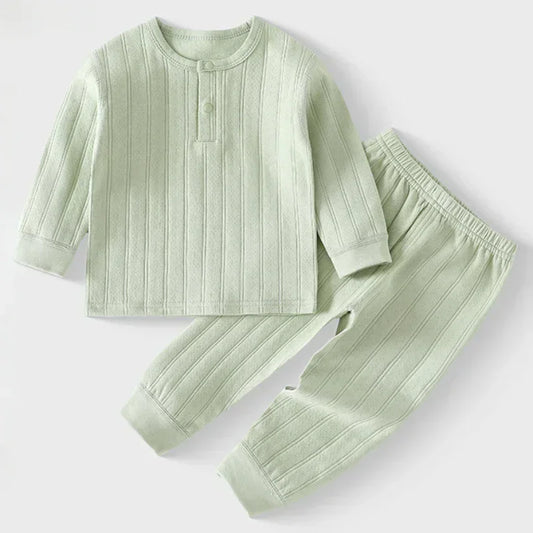
![[2-Pieces Set] 100% Cotton Long Sleeve Side-Snap Bodysuit - Pink & Pink Stripe](http://www.organiccottonclubs.com/cdn/shop/files/2_e34e329d03103a1ef2a830ed0f72d8f4.jpg?v=1759165907&width=533)
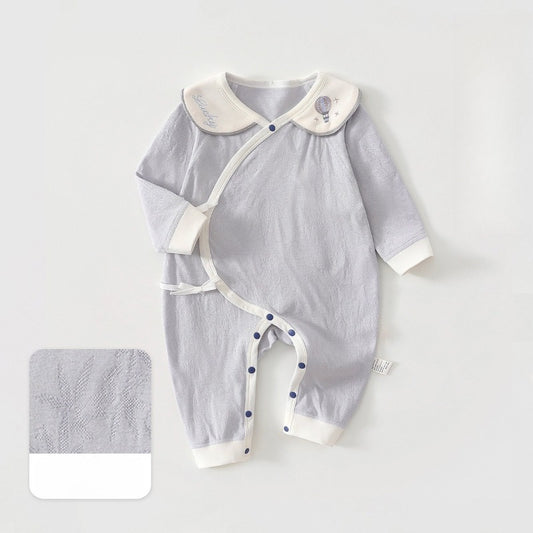
![[2-Pieces Set] 100% Cotton Long Sleeve Snapup Romper - Green & Green Stripe](http://www.organiccottonclubs.com/cdn/shop/files/4_dcde8d24f74c34bd214567f4011b27d7.jpg?v=1759166636&width=533)