

Potty Training: Signs of Readiness
Share
Is Your Toddler Ready for Potty Training? Decoding the Signs for a Stress-Free Journey
Potty training is one of the most significant milestones in early childhood, yet it is often fraught with anxiety, mess, and countless 'accidents.' As a senior strategist in the parenting space, I see many families struggle because they treat potty training as a deadline rather than a developmental stage. Rushing a child who is not ready can lead to months of frustration, power struggles, and even physical issues like constipation. The goal is not just to ditch the diapers, but to foster a sense of independence and confidence in your child. This guide will walk you through the essential signs of readiness and how to set your child up for success using the best materials available.
The Hidden Impact of Synthetic Materials and Rushed Timelines
When the process is rushed, parents often reach for convenience over quality. Many conventional training pants are made from cheap, synthetic, plastic-heavy materials that can irritate a toddler's sensitive skin. Imagine trying to learn a complex new skill while wearing scratchy, non-breathable fabric that traps moisture. This discomfort agitates the child and can lead to a negative association with the bathroom. Furthermore, if the child hasn't mastered the physical cues of readiness, the constant pressure to 'perform' can lead to tears and a total shutdown of the learning process. The frustration you feel is mirrored by your child, creating a cycle of stress that delays success even further. Choosing organic cotton is the first step in alleviating this agitation.
Physical Signs of Readiness: A Checklist for Success
- Bladder Control: Your child stays dry for two or more hours at a time or wakes up dry from a nap. This indicates that their bladder muscles are developing the necessary strength.
- Predictable Bowel Movements: Having a regular schedule makes it much easier to time potty breaks and reduces the likelihood of accidents.
- Physical Motor Skills: Can your toddler walk to the bathroom and sit on the potty independently? Can they pull their pants up and down? These physical capabilities are essential for self-sufficiency.
- Discomfort with Soiled Diapers: If your child begins to pull at a wet diaper or expresses a desire to be changed immediately, they are becoming aware of their bodily functions.
Cognitive and Behavioral Indicators to Watch For
Physical readiness is only half the battle; cognitive and emotional readiness are equally important. Look for these behavioral cues: First, your child follows you into the bathroom and shows curiosity about the toilet. Second, they use specific words or gestures to communicate that they need to go or have already gone. Third, they show a desire for independence, often saying 'I do it!' or 'Me do it!' during daily tasks. Fourth, they can follow simple, two-step instructions like 'Go to the bathroom and sit on your stool.' Fifth, look for 'hiding' behaviors; many toddlers will go to a corner or behind a curtain when they have a bowel movement, showing an emerging awareness of the need for privacy. If your child is exhibiting these behaviors, it is a strong sign that their brain is ready to coordinate the complex task of potty training.
The Solution: Comfort and Quality with Organic Cotton Training Pants
The secret to a smooth transition lies in preparation and the right tools. Instead of synthetic disposable trainers, many experts recommend transitioning to high-quality organic cotton training pants. Organic cotton offers several benefits: it is breathable, hypoallergenic, and extremely soft against delicate skin. Most importantly, it allows the child to feel a slight sensation of dampness when an accident occurs, which provides the critical sensory feedback needed to understand their body's signals. This 'wetness cue' is often lost in ultra-absorbent disposable diapers. By investing in organic cotton gear, you are creating a comfortable, supportive environment that encourages your child to listen to their body and take pride in their progress. Combined with a patient, child-led approach, this strategy transforms potty training from a chore into a triumph for the whole family.
Final Thoughts: Respecting the Timeline
Remember that every child is an individual. There is no 'right' age, only a 'right' time based on these signs of readiness. Trust the process, invest in soft organic gear, and stay patient. By focusing on comfort and readiness, you turn a potential struggle into a beautiful moment of growth. Happy training!
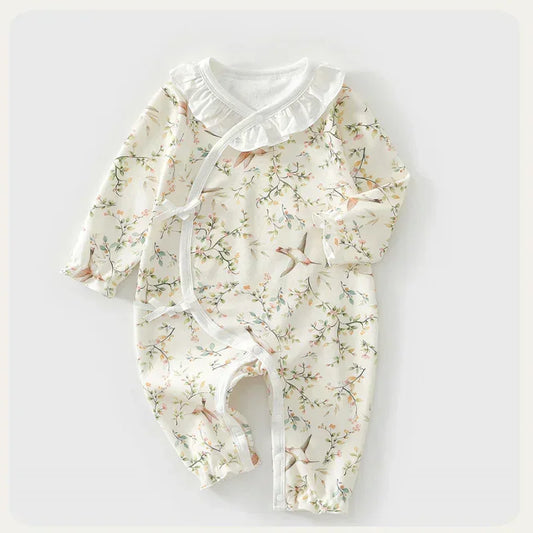
![[2-Pieces Set] 100% Cotton Long-Sleeve Kimono Romper - Blue & Blue Stripe](http://www.organiccottonclubs.com/cdn/shop/files/2_afd198b870f106588ecfc526d714b7a8.jpg?v=1764440625&width=533)


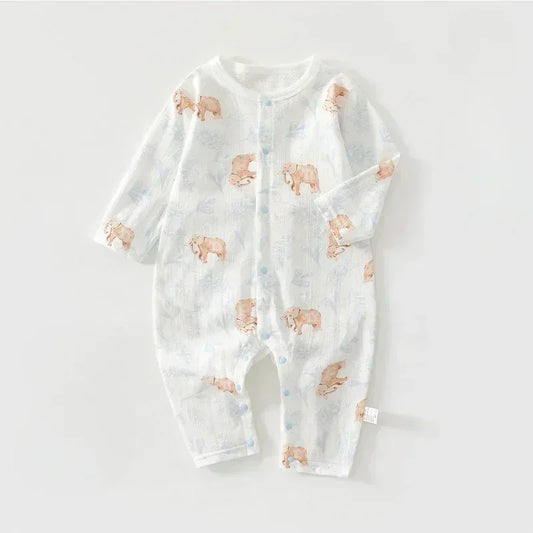
![[2-Pieces Set] 100% Cotton Long Sleeve Side-Snap Bodysuit - Pink & Pink Stripe](http://www.organiccottonclubs.com/cdn/shop/files/2_e34e329d03103a1ef2a830ed0f72d8f4.jpg?v=1759165907&width=533)
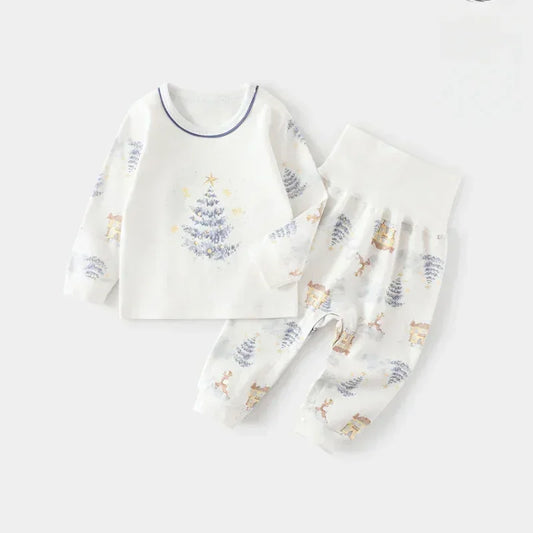
![[2-Pieces Set] 100% Cotton Long Sleeve Snapup Romper - Green & Green Stripe](http://www.organiccottonclubs.com/cdn/shop/files/4_dcde8d24f74c34bd214567f4011b27d7.jpg?v=1759166636&width=533)