


Safe Bug Protection by Age (Patch vs. Spray vs. Net)
Share
Safe Bug Protection by Age: The Ultimate Guide to Protecting Your Little One
Every parent knows the feeling: a beautiful sunset, a gentle breeze, and the sudden, frantic swatting as the mosquitoes arrive. For our little ones, those tiny bites are more than just an itch; they can cause significant discomfort, sleep disruption, and skin irritation. But choosing the right protection isn't as simple as grabbing any bottle off the shelf. When it comes to infants and toddlers, the stakes are higher.
The Parenting Struggle: The Chemical Dilemma
As a parent, you want to explore the great outdoors with your child, but the market is flooded with products containing high concentrations of DEET and synthetic fragrances. Many cheap, mass-produced fabrics and insect repellents use harsh chemicals that can be absorbed through a baby's porous skin. This 'agitation' is real: the very products meant to protect them can often cause rashes or respiratory irritation. Why risk using harsh fabric or heavy sprays when safer, more organic alternatives exist?
Newborns (0-6 Months): The Safety of the Net
At this tender age, the American Academy of Pediatrics recommends avoiding most topical repellents entirely. Their skin is simply too sensitive to process the ingredients found in sprays. This is where the physical barrier becomes your best friend.
- The Mosquito Net: A high-quality, fine-mesh net is the gold standard for strollers and car seats. It provides 100% protection without a single drop of chemical contact.
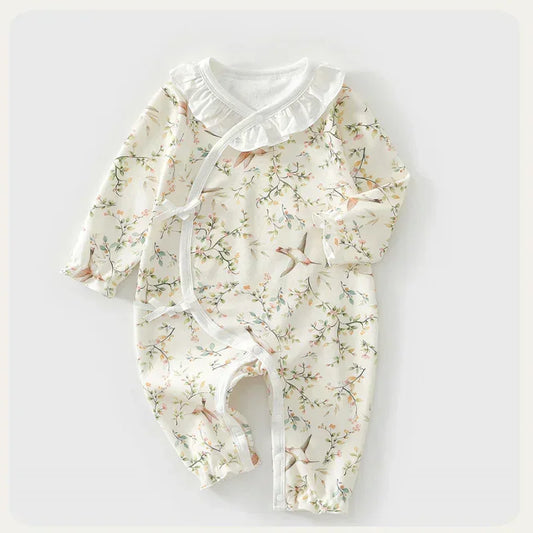
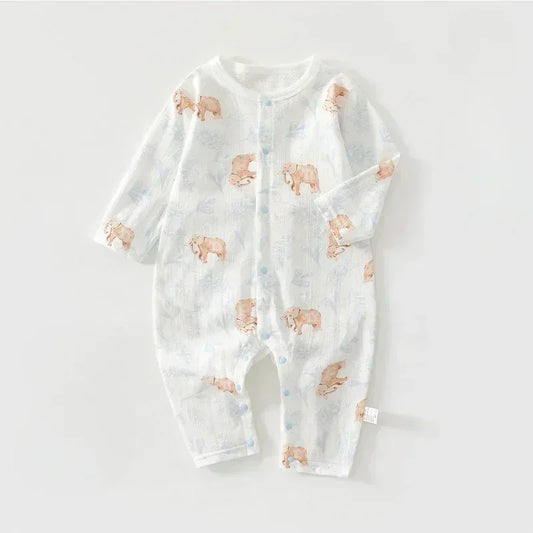
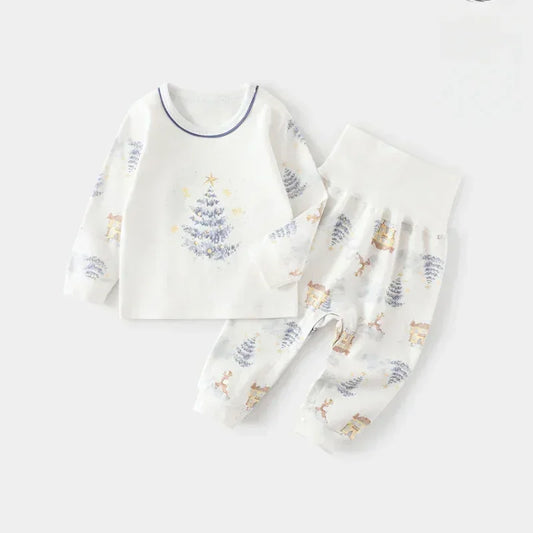
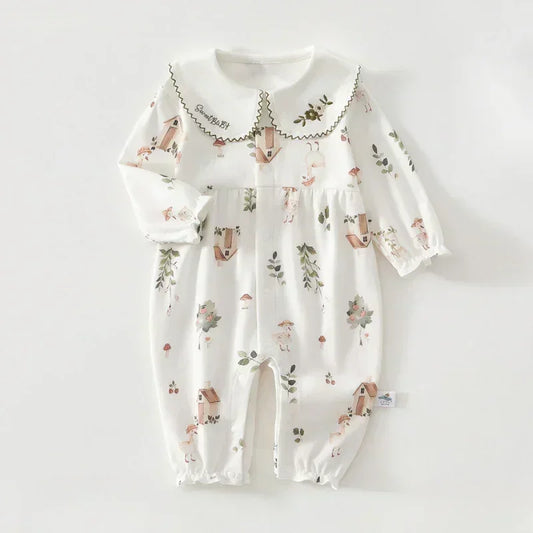
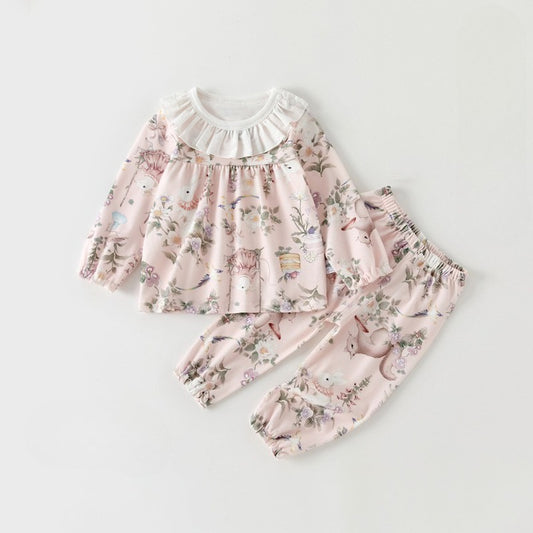
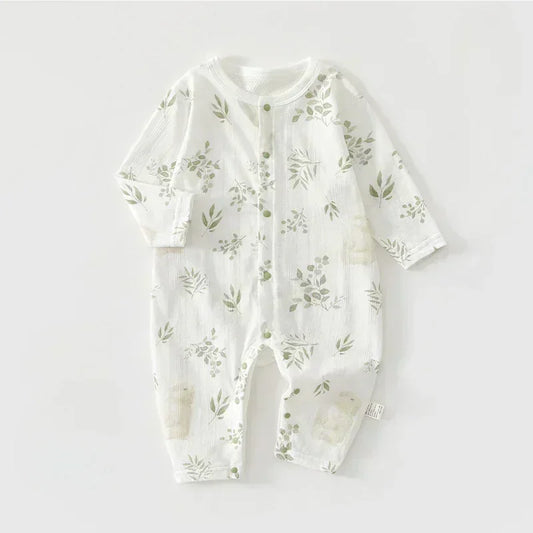
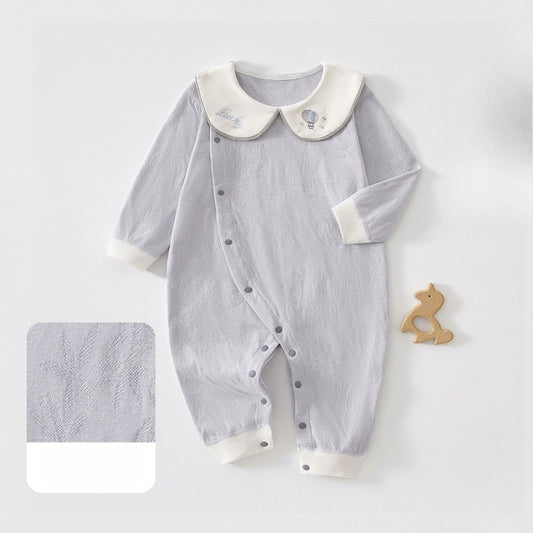
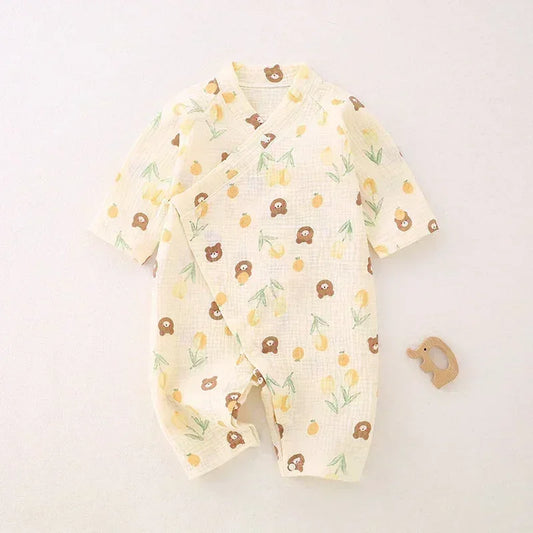
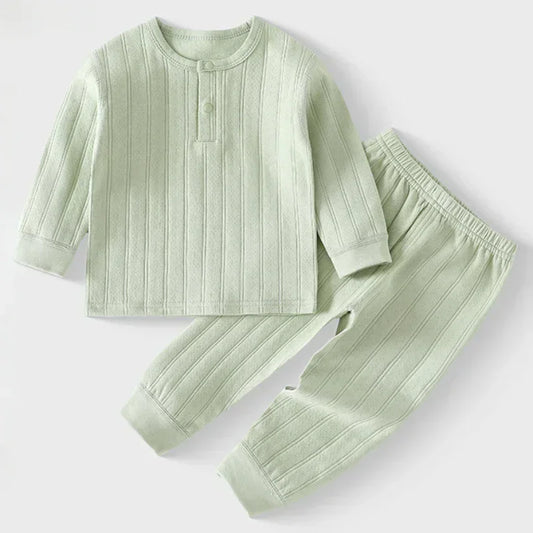
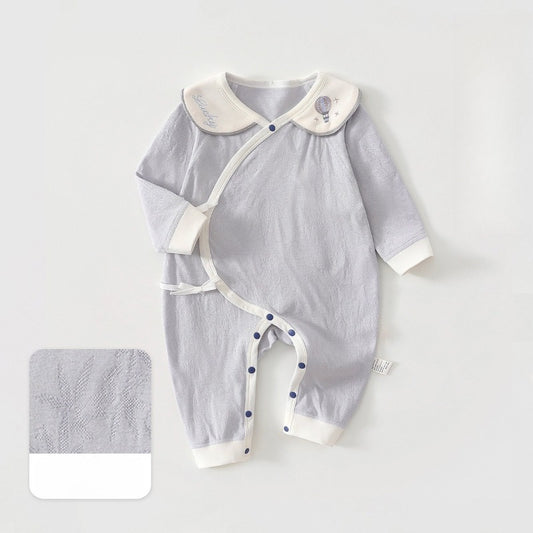
- Organic Clothing: Dressing your baby in long-sleeved, breathable organic cotton acts as a secondary shield. Organic fibers are free from the pesticide residues found in conventional cotton, which is crucial when the fabric is pressed against their skin for hours.
Infants & Toddlers (6 Months - 2 Years): The Rise of the Patch
As your little one starts crawling and exploring, keeping them under a net becomes nearly impossible. This is the 'Golden Age' for mosquito patches. These stickers usually utilize essential oils like Citronella or Geraniol.
- No Skin Contact: Unlike sprays, patches are applied to the clothing, not the skin. This eliminates the risk of absorption.
- Ease of Use: Simply peel and stick to the back of a shirt or the side of a hat where the child cannot reach it.
- Natural Aroma: They create a scent-based 'shield' around the child that confuses mosquitoes without the sticky residue of a spray.
The Transition to Sprays (2 Years+): Application is Key
Once your child reaches the toddler years, sprays become more practical for high-activity environments. However, the 'how' is just as important as the 'what'. Always choose DEET-free options, such as those formulated with Picaridin or Oil of Lemon Eucalyptus (note: OLE is generally recommended for ages 3+).
- Hands-Free Application: Never spray directly onto a child's face. Spray into your own hands first, then rub onto their exposed skin, avoiding eyes and mouth.
- Organic Barrier First: Continue using organic cotton clothing as the primary layer, applying spray only to the small areas of skin that remain exposed.
Final Thoughts: Choosing Peace of Mind
Protecting your child from bugs doesn't have to mean compromising on their health. By moving from physical barriers like nets to targeted tools like patches and gentle sprays as they grow, you ensure their safety at every developmental milestone. Always prioritize organic materials and natural ingredients to keep those summer memories bite-free and beautiful.

![[2-Pieces Set] 100% Cotton Long-Sleeve Kimono Romper - Blue & Blue Stripe](http://www.organiccottonclubs.com/cdn/shop/files/2_afd198b870f106588ecfc526d714b7a8.jpg?v=1764440625&width=533)


![[2-Pieces Set] 100% Cotton Long Sleeve Side-Snap Bodysuit - Pink & Pink Stripe](http://www.organiccottonclubs.com/cdn/shop/files/2_e34e329d03103a1ef2a830ed0f72d8f4.jpg?v=1759165907&width=533)
![[2-Pieces Set] 100% Cotton Long Sleeve Snapup Romper - Green & Green Stripe](http://www.organiccottonclubs.com/cdn/shop/files/4_dcde8d24f74c34bd214567f4011b27d7.jpg?v=1759166636&width=533)