


Safe Sleep Checklist: Everything in the Crib by Age
Share
The Sleep Safety Struggle: Why Every Parent Feels Overwhelmed
Bringing a new baby home is a whirlwind of joy, but it also comes with a heavy weight of responsibility. You want the best for your little one, yet the world of nursery gear is filled with conflicting advice. Many parents find themselves staring at a beautifully decorated crib, wondering if those plush pillows and soft blankets are actually safe. The pressure to create a magazine-worthy nursery often clashes with the strict guidelines of pediatric safety. This confusion leads to sleepless nights spent worrying rather than resting.
The Hidden Dangers of Cheap Nursery Materials
It is tempting to grab the cutest bedding set from a big-box retailer, but cheap synthetic materials can do more than just irritate sensitive skin. Synthetic fabrics like polyester often trap heat, leading to overheating—a known risk factor for SIDS. Furthermore, loose items in the crib, while seemingly cozy, pose significant suffocation risks for infants who cannot yet roll over or move objects away from their faces. Using the wrong items at the wrong age is not just a style faux pas; it is a safety hazard that keeps parents on edge.
The Solution: A Stage-by-Stage Safe Sleep Checklist
The key to peace of mind is following a clear, age-appropriate checklist focused on high-quality, breathable materials. Organic cotton is the gold standard for baby bedding because it is naturally thermoregulating and free from harsh chemicals. By stripping back the clutter and focusing on what is essential for each stage of development, you can ensure a safe environment for your baby to thrive.
Newborn to 6 Months: The Bare Essentials
- Firm, Flat Mattress: Always use a mattress designed specifically for cribs that fits tightly without gaps.
- Tight-Fitting Sheet: Choose 100% organic cotton fitted sheets that stay securely in place.
- Wearable Blankets: Swap loose blankets for a snug swaddle or a sleep sack to keep baby warm without the risk of face covering.
- Zero Extras: No pillows, no stuffed animals, and no bumper pads. The crib should be completely empty except for the baby.
6 Months to 12 Months: Increasing Mobility
- Transitioning to Sleep Sacks: Once your baby can roll over, stop swaddling and move to an arms-free organic sleep sack.
- Lower the Mattress: As soon as your baby can sit up or pull to stand, lower the mattress to the lowest setting to prevent falls.
- Maintain the Empty Space: Even as they grow, the rule of 'nothing in the crib' still applies to prevent entanglement and suffocation.
12 Months and Beyond: The Toddler Transition
- Introduction of a Thin Pillow: Around the one-year mark, you may introduce a small, firm toddler pillow, though many experts suggest waiting longer.
- Small Security Blanket: A small lovey or a thin blanket may be introduced once the child has the motor skills to easily move it.
- Transitioning to a Toddler Bed: If your toddler is climbing out of the crib, it is time to switch to a toddler bed or a floor mattress for safety.
Final Thoughts on Safe Sleep
Creating a safe sleep environment is one of the most impactful things you can do for your child's health and your own peace of mind. By prioritizing organic, breathable fabrics and adhering to the 'less is more' philosophy, you eliminate unnecessary risks. Remember, a safe crib is a simple crib. Focus on quality over quantity, and you will both sleep much sounder.
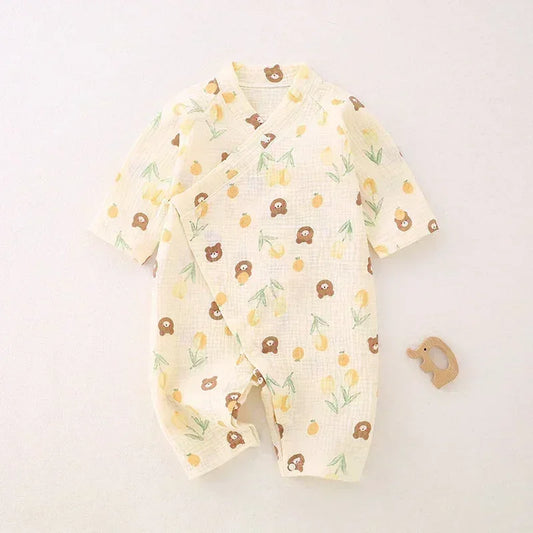
![[2-Pieces Set] 100% Cotton Long-Sleeve Kimono Romper - Blue & Blue Stripe](http://www.organiccottonclubs.com/cdn/shop/files/2_afd198b870f106588ecfc526d714b7a8.jpg?v=1764440625&width=533)


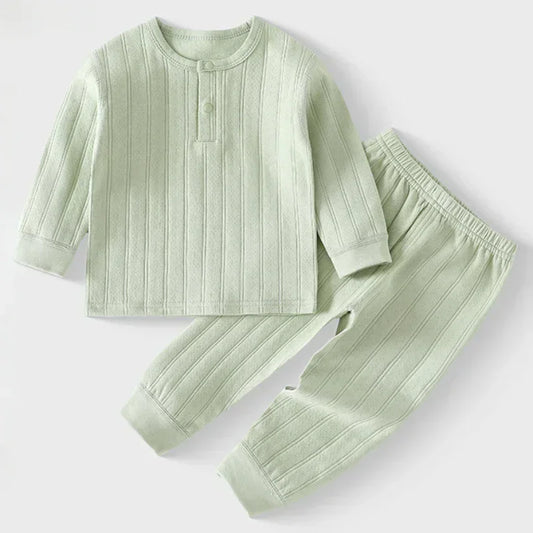
![[2-Pieces Set] 100% Cotton Long Sleeve Side-Snap Bodysuit - Pink & Pink Stripe](http://www.organiccottonclubs.com/cdn/shop/files/2_e34e329d03103a1ef2a830ed0f72d8f4.jpg?v=1759165907&width=533)
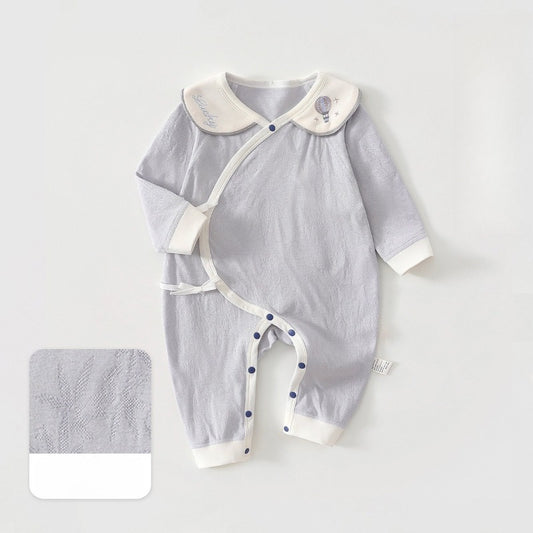
![[2-Pieces Set] 100% Cotton Long Sleeve Snapup Romper - Green & Green Stripe](http://www.organiccottonclubs.com/cdn/shop/files/4_dcde8d24f74c34bd214567f4011b27d7.jpg?v=1759166636&width=533)