

Safe vs. Dangerous First Foods for Babies
Share
Navigating the Milestone: Safe vs. Dangerous First Foods for Your Baby
Starting solid foods is one of the most exciting yet nerve-wracking milestones for any parent. You have spent months perfecting milk feeds, and now it's time to introduce the world of flavor. But for many, this transition is clouded by anxiety: What if they choke? What if the food isn't healthy enough? The weight of making the right choice is heavy, and the fear of a mistake can steal the joy from this developmental leap.
The Struggle: Information Overload and Safety Fears
As a parent, you want the absolute best for your child, but the sheer volume of conflicting advice can be paralyzing. One person tells you to start with rice cereal; another warns about arsenic levels. You see beautiful Instagram plates of Baby Led Weaning (BLW) spreads, but your heart stops at the thought of a grape or a piece of steak. This constant second-guessing is exhausting, leaving you wondering if you are doing enough to protect your little one's health and safety.
The Agitation: Hidden Dangers in Common Foods
The stakes are high when it comes to first foods. It is not just about nutrition; it's about immediate physical safety. Many common foods are secret choking hazards—whole grapes, popcorn, and chunks of raw carrot are far too dangerous for a baby's narrow airway. Furthermore, the commercial 'baby snacks' often found on supermarket shelves can be loaded with hidden sodium and sugars that tax a baby's developing kidneys and set a foundation for poor eating habits. Choosing low-quality or improperly prepared foods can lead to digestive distress and missed opportunities for brain-building nutrients during this critical window of growth.
The Solution: A Gentle, Nutrient-Dense Approach
The key to a successful transition is simplicity, safety, and quality. By focusing on nutrient-dense, organic, whole foods and mastering safe preparation techniques, you can eliminate the fear and focus on the fun. Here are the benefits of choosing high-quality, safe starters:
- Optimal Nutrition: Organic fruits and vegetables provide higher levels of antioxidants and essential vitamins for brain development without chemical residue.
- Choke-Proof Preparation: Steaming until soft and slicing foods into finger-length strips (for BLW) or mashing into smooth purees ensures a safe experience.
- Digestive Health: Clean, organic ingredients are easier on a baby's delicate gut, reducing the risk of gas and discomfort.
- Healthy Palate Training: Introducing diverse, natural flavors early on helps prevent picky eating and fosters a love for whole foods.
Safe Starters vs. High-Risk Hazards
Prioritize the "Green List": Ripe avocado for healthy fats, steamed sweet potato for Vitamin A, and iron-fortified organic oats. Avoid the "Red List" entirely: honey (due to botulism risk), whole nuts, popcorn, and round fruits like cherry tomatoes or grapes unless they are quartered lengthwise. Always ensure food is soft enough to smash between your thumb and forefinger.
Final Thoughts
Introducing solids is a journey, not a race. By prioritizing safety and choosing organic, whole ingredients, you are giving your child the best possible start in life. Trust your instincts, prepare with care, and enjoy every messy, wonderful moment of your baby discovering the joy of eating.
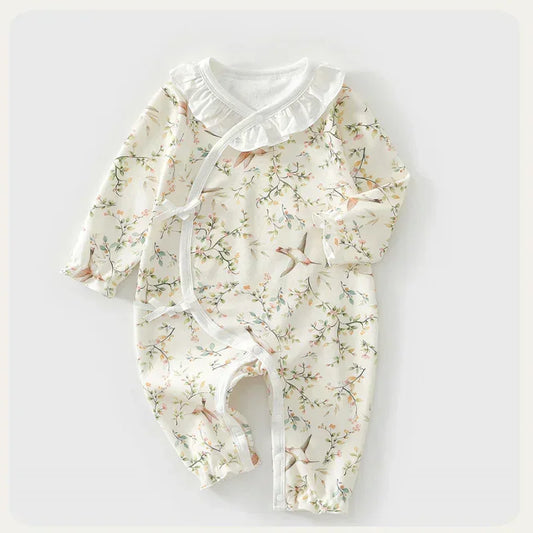
![[2-Pieces Set] 100% Cotton Long-Sleeve Kimono Romper - Blue & Blue Stripe](http://www.organiccottonclubs.com/cdn/shop/files/2_afd198b870f106588ecfc526d714b7a8.jpg?v=1764440625&width=533)


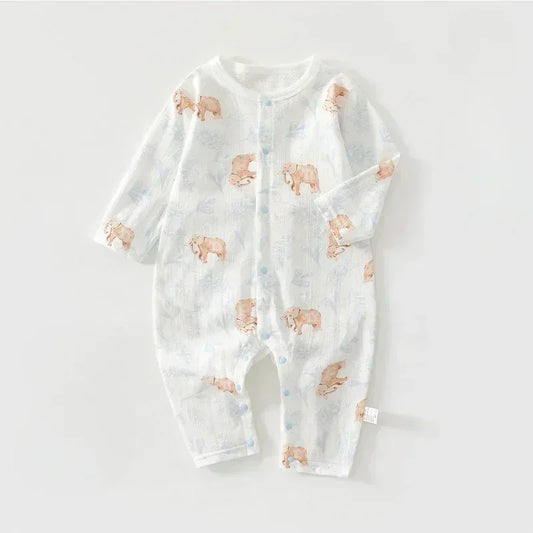
![[2-Pieces Set] 100% Cotton Long Sleeve Side-Snap Bodysuit - Pink & Pink Stripe](http://www.organiccottonclubs.com/cdn/shop/files/2_e34e329d03103a1ef2a830ed0f72d8f4.jpg?v=1759165907&width=533)
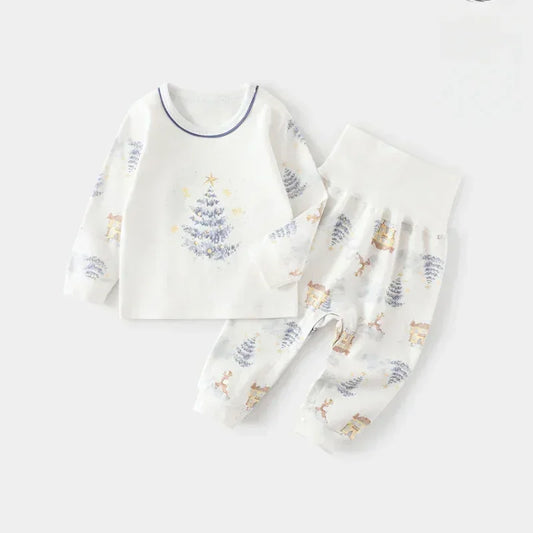
![[2-Pieces Set] 100% Cotton Long Sleeve Snapup Romper - Green & Green Stripe](http://www.organiccottonclubs.com/cdn/shop/files/4_dcde8d24f74c34bd214567f4011b27d7.jpg?v=1759166636&width=533)