

Safe vs. Dangerous First Foods for Babies
Share
The Milestone of Solids: Turning Fear into Confidence
The transition from milk to solids is one of the most significant milestones in your baby's first year. However, for many parents, this excitement is overshadowed by a deep, paralyzing fear of choking and food allergies. You want the best for your child, but the conflicting advice found online can make every mealtime feel like a high-stakes gamble. The pressure to get it right while managing the daily chaos of parenthood can leave you feeling drained and anxious about every bite your little one takes.
The Hidden Risks in Your Kitchen and Nursery
It is not just about the food itself; it is about the environment and the materials we use during this sensitive phase. Many commercial baby products are manufactured with cheap, synthetic materials that can irritate a baby's delicate skin. When you use plastic-backed bibs or synthetic fabrics, you risk exposing your baby to chemicals like BPA or phthalates right when they are most vulnerable. Furthermore, the market is flooded with 'beginner' foods that are often high in sugar or contain heavy metal residues, adding another layer of worry to the feeding process. This agitation is real: you are trying to nourish your child, yet the very tools and foods marketed to you might be causing harm.
The Solution: Organic Whole Foods and Natural Materials
The safest way to navigate the introduction of solids is by returning to nature. By choosing organic, whole foods and pairing them with high-quality organic cotton accessories, you create a toxic-free sanctuary for your baby's growth. Organic cotton is breathable, hypoallergenic, and incredibly absorbent, making it the perfect material for bibs and cloths that frequently touch your baby's face. When you eliminate synthetic irritants and focus on pure, single-ingredient foods, you can finally focus on the joy of watching your baby discover new flavors.
Safe vs. Dangerous: A Definitive Guide
Understanding the texture and shape of food is critical for safety. Here is a breakdown of what to prioritize and what to avoid during the first few months of weaning.
- Safe Foods: Mashed avocado (high in healthy fats), steamed sweet potato spears (easy to grip), ripe banana (soft texture), and iron-fortified organic oats.
- Dangerous Foods: Whole grapes (huge choking hazard), popcorn, hard crackers, whole nuts, and chunks of sticky peanut butter.
Why Organic Cotton Matters During Mealtime
As babies learn to eat, they use their entire bodies. Food ends up in their hair, on their laps, and rubbed into their skin. Using organic cotton bibs ensures that as your baby wipes their mouth or drops food, they aren't coming into contact with harsh dyes or pesticides. GOTS-certified organic cotton is the gold standard for safety, providing a soft barrier that protects their skin from drool rashes and food irritation. It is a simple switch that provides immense peace of mind.
Practical Safety Tips for New Parents
Always ensure your baby is sitting upright in a high chair. Never leave a baby unattended while eating, and learn the vital difference between gagging—which is a natural safety reflex—and choking, which requires immediate intervention. By preparing foods into finger-length strips or soft mashes, you allow your baby to explore safely while developing their fine motor skills.
Final Thoughts
Starting solids is a journey of discovery, not just for your baby, but for you as a parent. By choosing organic ingredients and soft, natural cotton accessories, you are providing a foundation of safety and health. These early choices set the stage for a lifetime of positive associations with food. Embrace the mess, trust the process, and enjoy watching your little foodie grow.
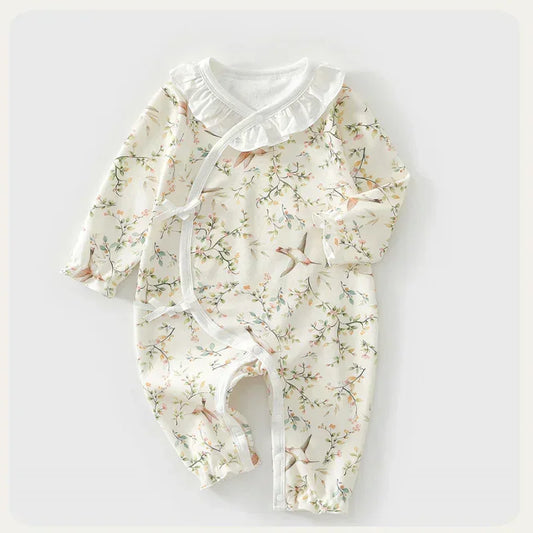
![[2-Pieces Set] 100% Cotton Long-Sleeve Kimono Romper - Blue & Blue Stripe](http://www.organiccottonclubs.com/cdn/shop/files/2_afd198b870f106588ecfc526d714b7a8.jpg?v=1764440625&width=533)

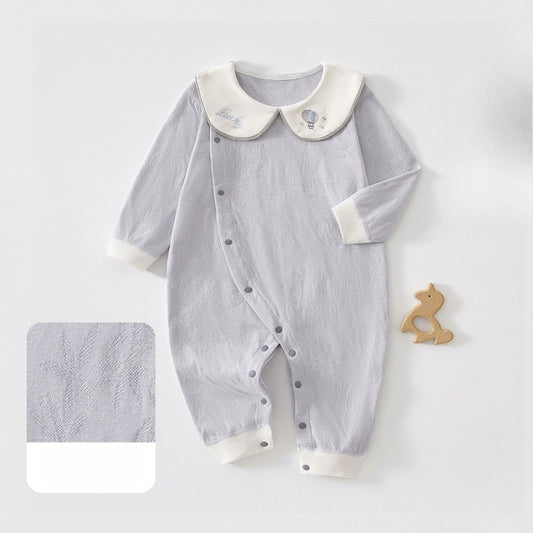

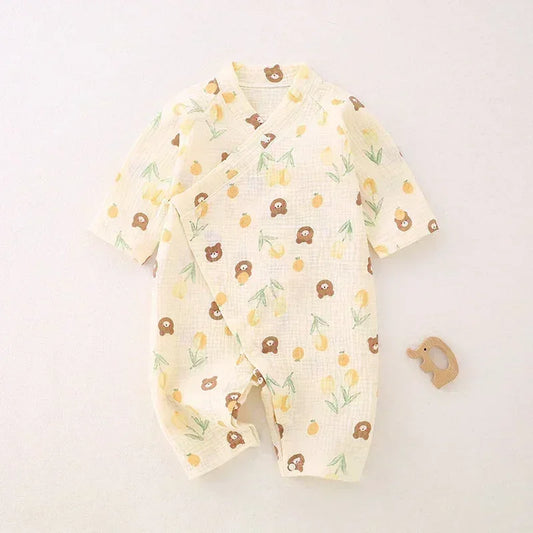
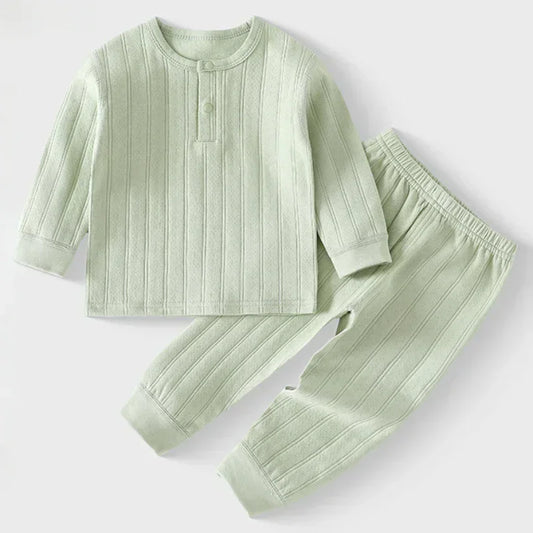
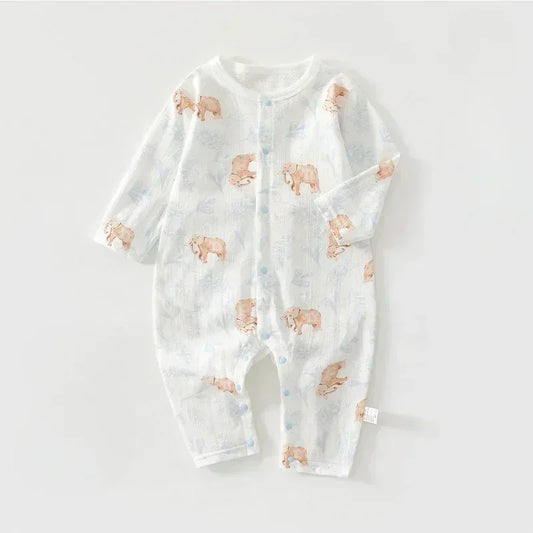
![[2-Pieces Set] 100% Cotton Long Sleeve Side-Snap Bodysuit - Pink & Pink Stripe](http://www.organiccottonclubs.com/cdn/shop/files/2_e34e329d03103a1ef2a830ed0f72d8f4.jpg?v=1759165907&width=533)
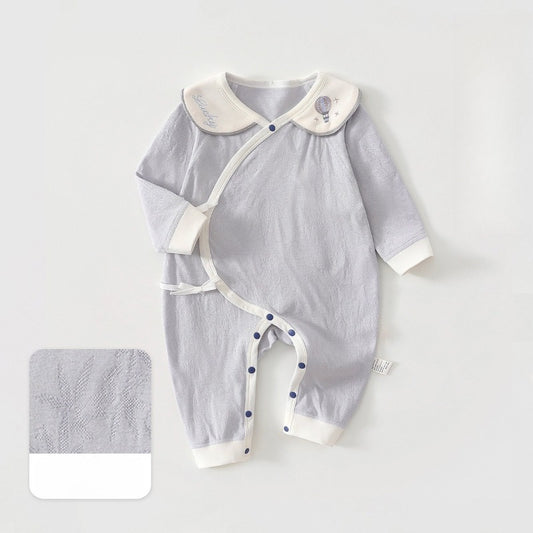
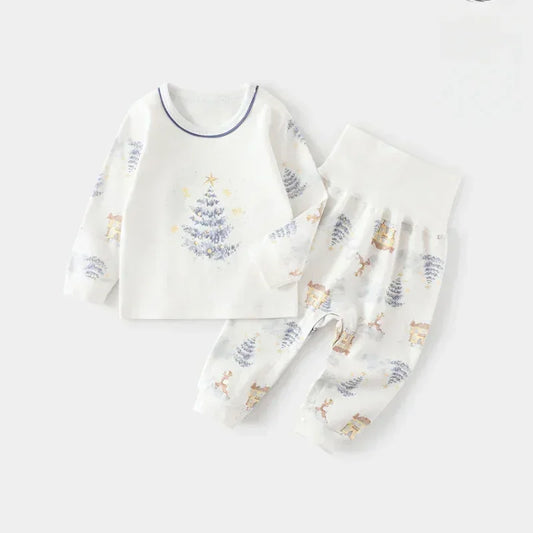
![[2-Pieces Set] 100% Cotton Long Sleeve Snapup Romper - Green & Green Stripe](http://www.organiccottonclubs.com/cdn/shop/files/4_dcde8d24f74c34bd214567f4011b27d7.jpg?v=1759166636&width=533)