

Second Baby vs. First Baby: What I Buy Differently Now
Share
The First Baby Learning Curve: Why We Overbuy
The transition to parenthood is often paved with good intentions and a very long shopping list. Most first-time parents feel the pressure to buy every gadget, piece of plastic gear, and trendy accessory showcased on social media. However, the reality of the first year often tells a different story of clutter and unused items.
The Problem: Overwhelmed by Stuff
When you are expecting for the first time, the sheer volume of choices can lead to decision fatigue. We often buy things because we are told we need them, only to find our homes cramped with bulky equipment that serves only one purpose or, worse, irritates our baby.
The Agitation: The Hidden Cost of Cheap Materials
Many budget-friendly baby items are made with synthetic fabrics and harsh dyes. These materials can cause overheating and skin irritation for newborns with sensitive systems. Furthermore, low-quality items often fall apart after just a few washes, leading to a cycle of waste and frustration that second-time parents desperately want to avoid.
The Solution: Quality Over Quantity and the Organic Advantage
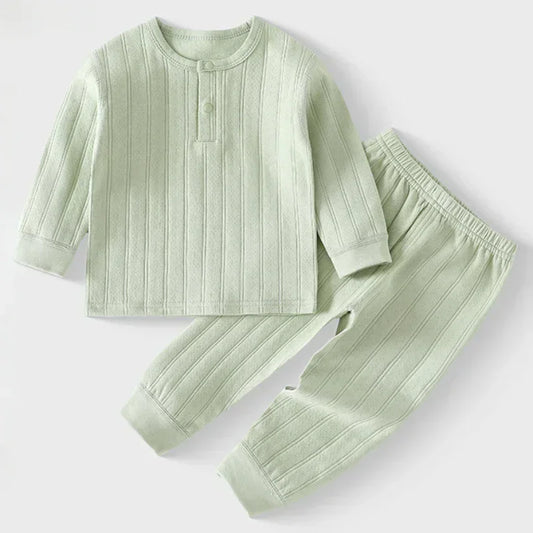
With the second baby, the strategy shifts toward minimalism and durability. Instead of ten cheap onesies, experienced parents invest in a few high-quality, GOTS-certified organic cotton pieces. Organic cotton is naturally breathable, hypoallergenic, and becomes softer with every wash, making it the perfect choice for a baby's delicate skin. By focusing on essentials that last, you save money, reduce stress, and provide a healthier environment for your little one.
- Prioritize multi-functional gear that grows with the child.
- Choose organic textiles to prevent skin sensitivities and rashes.
- Invest in durable natural wood toys over disposable plastic.
- Focus on high-quality sleep sacks and swaddles for better rest.
Final Thoughts
Preparing for a second baby is an opportunity to do things differently. By choosing quality over quantity and prioritizing organic materials, you create a simpler, more intentional parenting experience. It is not about having everything; it is about having the right things.
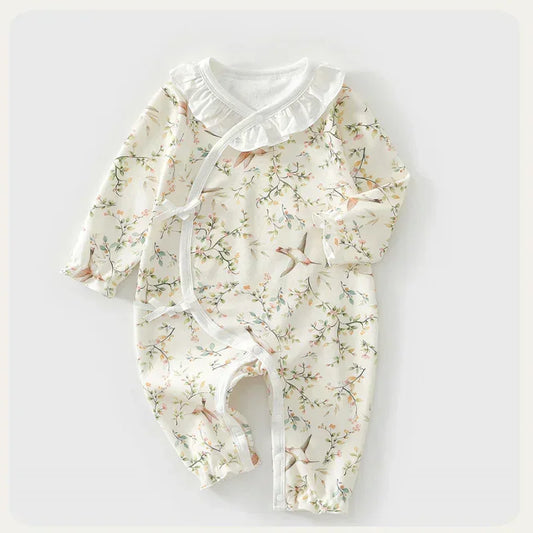
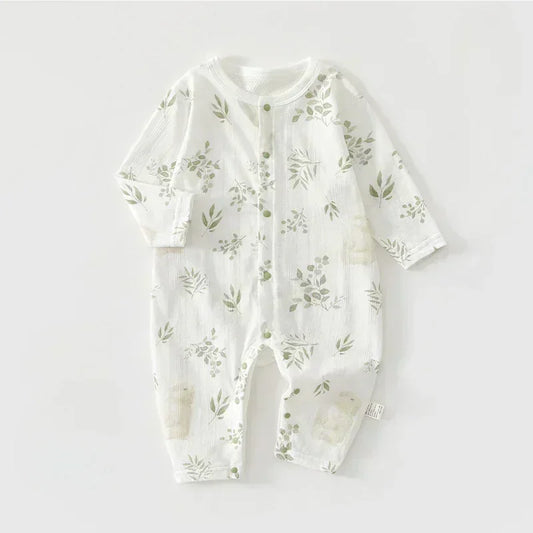
![[2-Pieces Set] 100% Cotton Long-Sleeve Kimono Romper - Blue & Blue Stripe](http://www.organiccottonclubs.com/cdn/shop/files/2_afd198b870f106588ecfc526d714b7a8.jpg?v=1764440625&width=533)

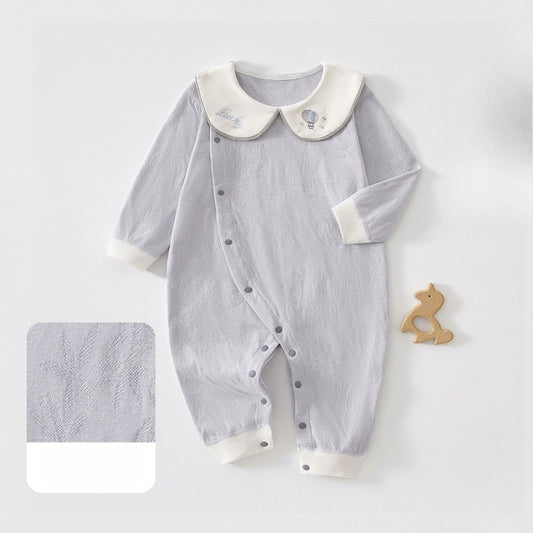

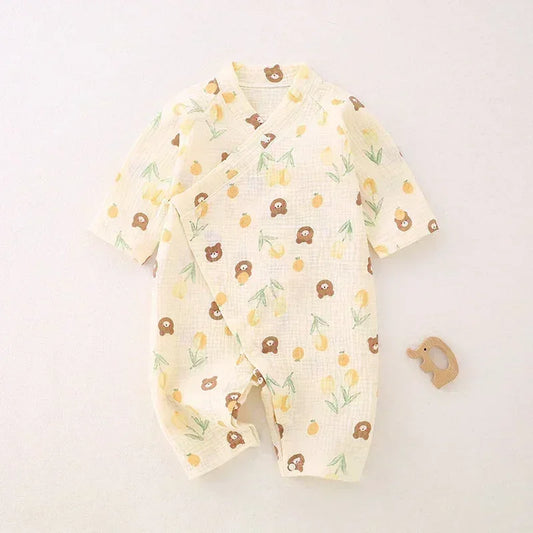
![[2-Pieces Set] 100% Cotton Long Sleeve Side-Snap Bodysuit - Pink & Pink Stripe](http://www.organiccottonclubs.com/cdn/shop/files/2_e34e329d03103a1ef2a830ed0f72d8f4.jpg?v=1759165907&width=533)
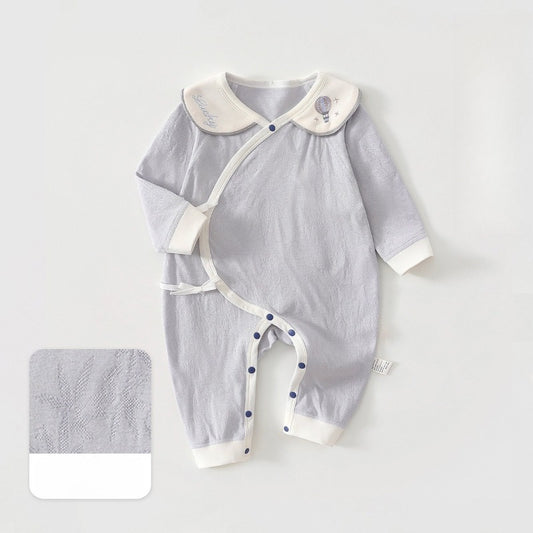
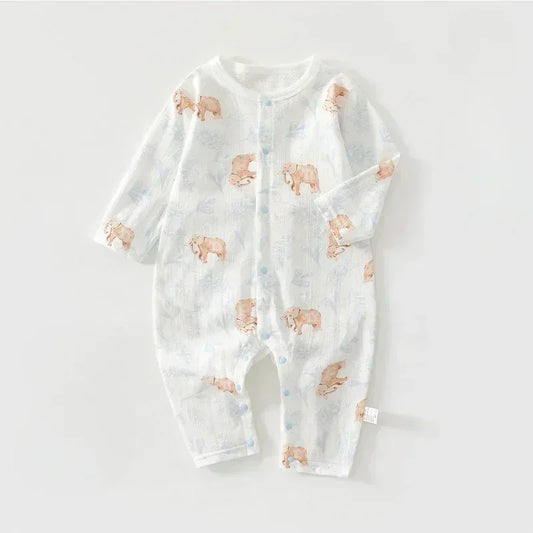
![[2-Pieces Set] 100% Cotton Long Sleeve Snapup Romper - Green & Green Stripe](http://www.organiccottonclubs.com/cdn/shop/files/4_dcde8d24f74c34bd214567f4011b27d7.jpg?v=1759166636&width=533)