

Sensory Bin Ideas for Different Ages
Share
Finding the Right Sensory Play for Every Stage: A Parent's Guide
Do you ever feel like you're constantly chasing the next activity to keep your little one engaged for more than five minutes? Many parents struggle with the overwhelming mess of traditional play or the nagging guilt of relying on screen time. It is a common parenting struggle to feel like you are failing at providing 'enriching' experiences while just trying to survive the day. You want your child to learn, explore, and develop, but the reality often involves a floor covered in plastic beads and a child who is bored within seconds.
The Hidden Dangers of Cheap Play Materials
When we reach for the easiest, cheapest options, we often inadvertently introduce toxins into our homes. Most mass-produced toys are made from low-grade plastics containing phthalates or treated with synthetic dyes that can irritate sensitive skin. These materials lack the tactile richness your child needs for true sensory development. Agitating the situation further, these cheap items are designed for the landfill, breaking easily and becoming a choking hazard. Why settle for materials that hurt both your child's sensory experience and the planet? Cheap materials offer a 'one-note' experience that fails to stimulate the complex neural pathways involved in tactile learning.
The Organic Solution: Why Organic Cotton and Natural Fibers Matter
The solution lies in shifting toward high-quality, organic materials that prioritize safety and variety. Organic cotton is not just for clothing; it is a sensory powerhouse. It provides a soft, breathable, and varied texture that synthetic fibers simply cannot match. Benefits of using organic cotton in sensory bins include:
- Hypoallergenic properties that are safe for babies with eczema or sensitive skin
- Natural durability that allows for repeated washing and long-term use
- Varied weaves like waffle, muslin, and jersey that provide distinct tactile feedback
- Eco-friendly sourcing that teaches your children to value the Earth
Sensory Bin Ideas for Every Age Group
Infants (6-12 Months): The Soft Touch Bin
At this age, babies explore primarily with their mouths and hands. Create a safe, non-toxic environment by filling a low wooden bin with scraps of organic cotton in different weaves. Include a few large wooden rings and silk scarves. This introduces different weights and textures without any risk of ingestion of harmful chemicals. Focus on high-contrast colors like ivory and deep sage to help with visual tracking.
Toddlers (1-3 Years): The Transfer and Pour Bin
Toddlers are obsessed with 'doing.' Fill your bin with large organic dried beans or chickpeas. Add small organic cotton drawstring bags and wooden scoops. Toddlers will spend hours filling the bags, feeling the weight change, and dumping them out. This builds fine motor skills and hand-eye coordination while providing a satisfying auditory and tactile experience.
Preschoolers (3-5 Years): The Imaginative Landscape
Preschoolers need a stage for their stories. Create a 'Forest Floor' bin using dark brown organic cotton fabric as the 'soil,' felt leaves, and small wooden animals. The softness of the fabric creates a calming base for complex role-playing. You can even add a small spray bottle of water to show how the organic cotton absorbs moisture, introducing early science concepts through play.
How to Maintain Your Organic Sensory Bin
One of the best parts of using organic cotton and natural materials is the ease of care. Unlike plastic toys that trap bacteria in crevices, organic cotton liners and fabric scraps can be tossed in a mesh laundry bag and washed on a gentle cycle. This ensures your sensory play remains hygienic and fresh for years of use across multiple children. Always ensure wooden elements are wiped down with a vinegar-water solution and dried thoroughly to prevent mold.
Final Thoughts on Mindful Parenting
Sensory bins do not have to be complicated, and they certainly should not be toxic. By choosing organic cotton and natural materials, you are providing a safe haven for your child's curiosity. You are solving the problem of short-lived play by providing high-quality textures that grow with your child. Start with one bin today and watch how the simplicity of organic materials transforms your child's engagement and your own peace of mind.
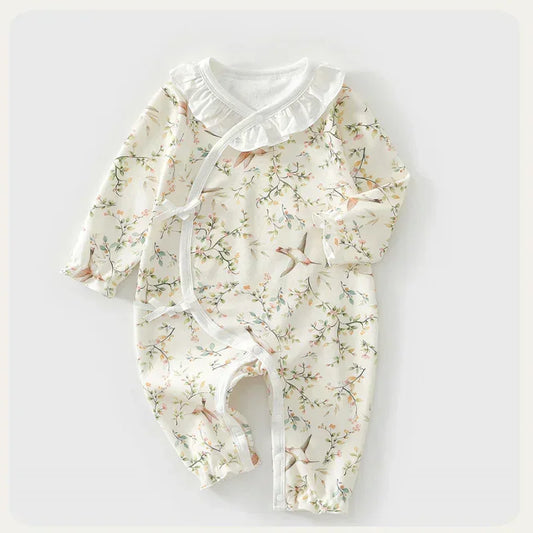
![[2-Pieces Set] 100% Cotton Long-Sleeve Kimono Romper - Blue & Blue Stripe](http://www.organiccottonclubs.com/cdn/shop/files/2_afd198b870f106588ecfc526d714b7a8.jpg?v=1764440625&width=533)


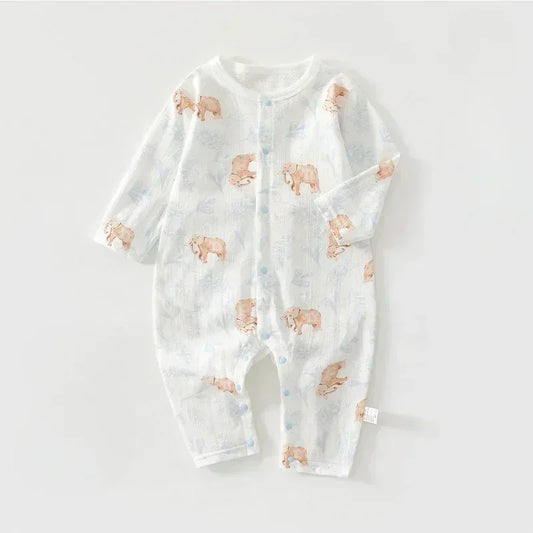
![[2-Pieces Set] 100% Cotton Long Sleeve Side-Snap Bodysuit - Pink & Pink Stripe](http://www.organiccottonclubs.com/cdn/shop/files/2_e34e329d03103a1ef2a830ed0f72d8f4.jpg?v=1759165907&width=533)
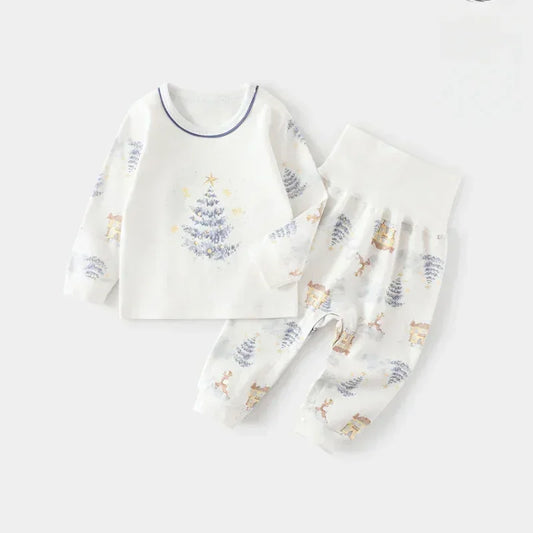
![[2-Pieces Set] 100% Cotton Long Sleeve Snapup Romper - Green & Green Stripe](http://www.organiccottonclubs.com/cdn/shop/files/4_dcde8d24f74c34bd214567f4011b27d7.jpg?v=1759166636&width=533)