

Sensory-Friendly Fashion: Why "High-Sensitivity" Babies Need Organic.
Share
The Hidden Reason Your Baby is Fussy: Is Their Clothing to Blame?
Every parent knows the feeling of utter exhaustion that comes with a baby who just won't settle. You have checked the diaper, offered a feed, ensured the room temperature is perfect, and yet your little one is still squirming, arching their back, and distressed. What many parents overlook is the tactile experience of the clothing touching their baby's skin. For 'high-sensitivity' babies—those who are more reactive to their environment—a single rough seam, a scratchy tag, or a trace of synthetic chemicals can feel like sandpaper against their delicate bodies. High sensitivity in infants is more common than people think; it refers to babies who are more reactive to sensory input, whether it is light, sound, or touch. When we dress these children in conventional garments, we might be unknowingly subjecting them to constant physical stress. This stress manifests as crying, poor sleep, and general irritability, making the parenting journey even more challenging than it already is.
The Agitation: Why Cheap Materials Are Hurting Your Baby
Traditional baby clothing is often treated with a cocktail of chemicals to make them wrinkle-resistant, stain-repellent, or flame-retardant. These harsh substances, combined with synthetic fibers like polyester, trap heat and moisture against the skin. For an infant with sensory processing sensitivities, this isn't just uncomfortable—it's overwhelming. Their skin is significantly thinner and more porous than an adult's, meaning they absorb what they wear. Conventional cotton is often grown with systemic pesticides and treated with heavy metal dyes that remain in the fibers even after several washes. When a baby is constantly battling itchy tags and non-breathable fabrics, they stay in a state of 'fight or flight,' leading to more crying and less sleep for everyone. Imagine wearing a stiff wool sweater on a hot summer day with a tag that scratches your neck constantly—that is the daily reality for a sensitive baby in low-quality clothes. This sensory overload can prevent them from reaching developmental milestones because their brain is too busy processing physical discomfort rather than exploring the world.
The Science of Infant Skin: Why Thickness Matters
Research shows that an infant's skin is roughly 30 percent thinner than that of an adult. This anatomical difference means that the epidermal barrier is less effective at blocking out environmental toxins. Furthermore, babies have a higher surface-area-to-volume ratio, which means they can absorb a proportionately higher amount of chemicals through skin contact. For a 'high-sensitivity' child, this biological vulnerability is paired with a more reactive nervous system. Their brain receives 'danger' signals from the skin more readily than other babies. When we choose organic cotton, we are providing a protective layer that respects this biological fragility. Organic cotton is not just about avoiding 'bad' things; it is about providing a pure, natural environment that supports the skin's natural function of protection and temperature regulation. It allows the skin to perform its job without being bombarded by external stressors.
The Solution: Why Organic Cotton is a Game Changer
This is where sensory-friendly fashion becomes a necessity rather than a luxury. GOTS certified organic cotton is grown without toxic pesticides and processed without harsh irritants. It is the gold standard for children with sensitive skin. Here is why it makes a difference:
- Breathability and Temperature Regulation: Organic fibers allow air to circulate naturally. This helps regulate the baby's body temperature, preventing the overheating and sweat-induced rashes that lead to middle-of-the-night wakeups. Unlike polyester, which acts like plastic wrap, organic cotton lets the skin breathe and moisture evaporate.
- Non-Toxic and Hypoallergenic: By choosing organic, you are ensuring that no chemical residues like formaldehyde, phthalates, or bleach come into contact with your baby. This is crucial for newborns whose immune systems and skin barriers are still developing. It eliminates the risk of contact dermatitis and chemical-induced sensitivities that can cause long-term skin issues.
- Long-Staple Softness: The quality of the fiber matters. High-quality organic cotton uses longer fibers that are spun into a smoother yarn. This results in a fabric that feels buttery soft against the skin, providing a soothing tactile experience rather than an irritating one. The more you wash organic cotton, the softer it typically becomes, unlike synthetic fabrics that can become pilled and scratchy.
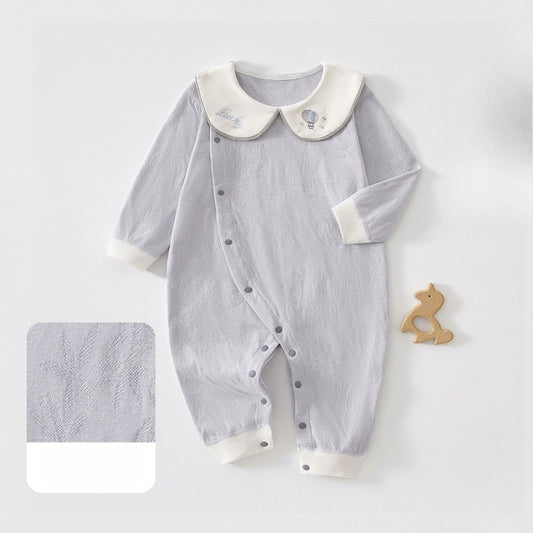
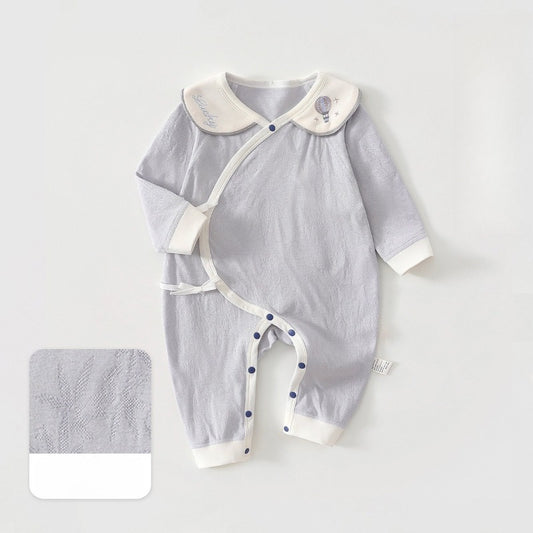
- Mindful Construction: Sensory-friendly brands go beyond the fabric. They focus on flat-lock seams that do not rub, tagless necklines, and gentle elastic that doesn't pinch. These small design choices remove the physical 'triggers' that bother high-sensitivity children, allowing their nervous systems to remain calm and relaxed throughout the day and night.
Choosing the Right Path for Your Sensitive Little One
Transitioning to a sensory-friendly wardrobe does not have to happen overnight. Start with the pieces that have the most contact with their skin for the longest time, such as sleepers, onesies, and swaddles. Look for the Global Organic Textile Standard (GOTS) label to ensure the entire supply chain meets strict environmental and social criteria. When you prioritize your baby's physical comfort, you are not just buying clothes; you are investing in their emotional well-being and your family's peace. A baby who feels safe and comfortable in their own skin is a baby who can focus on bonding, learning, and sleeping.
Final Thoughts
Choosing organic, sensory-friendly clothing is one of the simplest yet most impactful ways to support your baby's nervous system. By removing the physical irritants of conventional fashion, you are creating a calm environment where your little one can thrive, sleep better, and focus on the world around them instead of the itch of their outfit. A happy, comfortable baby is a baby who is ready to learn, play, and grow with confidence.
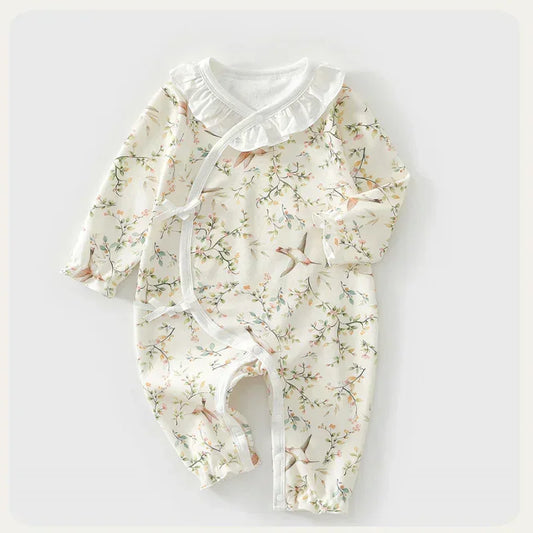
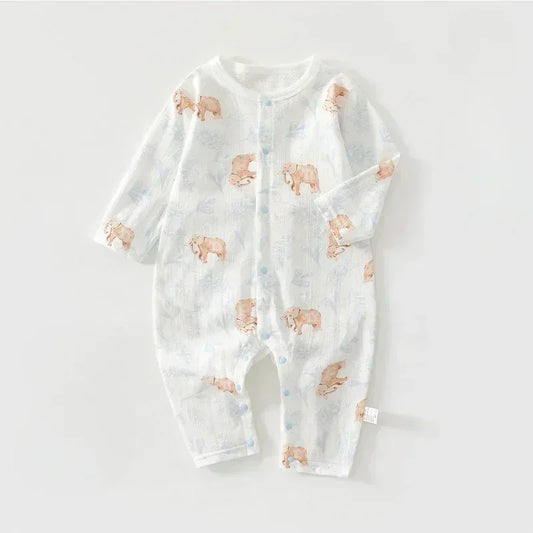
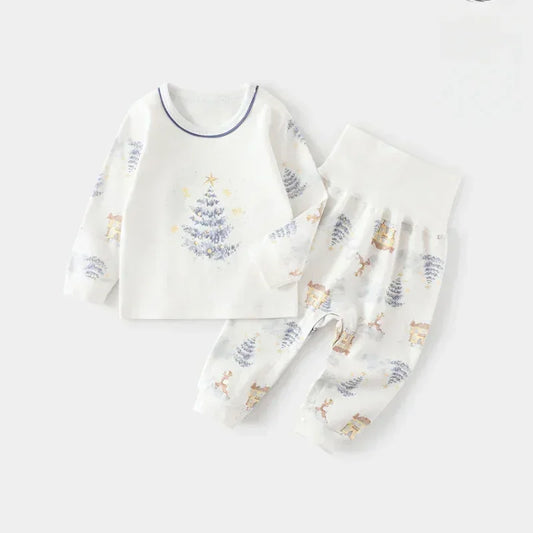
![[2-Pieces Set] 100% Cotton Long-Sleeve Kimono Romper - Blue & Blue Stripe](http://www.organiccottonclubs.com/cdn/shop/files/2_afd198b870f106588ecfc526d714b7a8.jpg?v=1764440625&width=533)


![[2-Pieces Set] 100% Cotton Long Sleeve Side-Snap Bodysuit - Pink & Pink Stripe](http://www.organiccottonclubs.com/cdn/shop/files/2_e34e329d03103a1ef2a830ed0f72d8f4.jpg?v=1759165907&width=533)
![[2-Pieces Set] 100% Cotton Long Sleeve Snapup Romper - Green & Green Stripe](http://www.organiccottonclubs.com/cdn/shop/files/4_dcde8d24f74c34bd214567f4011b27d7.jpg?v=1759166636&width=533)