


Sensory Play Ideas Using Natural Materials
Share
The Overwhelming Plastic Problem in Modern Playrooms
As parents, we want the best for our children, but the 'best' often looks like a mountain of neon plastic that ends up forgotten in a corner. Do you feel the constant guilt of buying toys that offer little sensory value and even less durability? You are not alone in the struggle to find meaningful play experiences that do not clutter your home or compromise your values.
Why Cheap Synthetic Materials Are Hurting Early Development
Beyond the visual clutter, cheap synthetic materials can be overstimulating and potentially harmful. Many mass-produced toys contain phthalates, BPAs, and microplastics that off-gas in your nursery. These cold, hard surfaces do not provide the rich tactile feedback a developing brain needs. When every toy feels like the same uniform plastic, your child misses out on the vital nuances of the natural world, leading to shorter attention spans and less imaginative play.
The Solution: The Magic of Natural Materials and Organic Cotton
Transitioning to natural materials is a developmental powerhouse. Organic cotton, sustainable wood, and natural fibers offer varying temperatures, weights, and textures that synthetic materials simply cannot replicate. Organic cotton, specifically, provides a soft, breathable, and hypoallergenic medium for tactile exploration. It is durable enough to survive years of play while being gentle on your baby's sensitive skin and the environment. By choosing natural, you create a calm, focused environment where your child can truly thrive.
Top Sensory Play Ideas Using Nature's Best
1. The Organic Texture Basket
Fill a low-profile wicker basket with different weaves of organic cotton—muslin, flannel, rib-knit, and waffle textures. Let your baby feel the differences in weight and friction. This simple activity builds neural pathways related to touch and prepares them for complex fine motor skills.
2. Earth-Toned Fabric Tunnels
Use long strips of organic cotton in sage, terracotta, and cream to create sensory tunnels or drapes over low furniture. This encourages gross motor movement as babies crawl through varied soft textures, engaging their proprioceptive system in a safe, soothing space.
3. Natural Scent and Touch Sorting
Introduce safe, edible natural elements like large dried lavender sprigs or smoothed river stones alongside organic cotton scraps. This engages the senses of smell, sight, and touch simultaneously. Using a cotton play mat as a base provides a high-contrast, non-slip surface for focused exploration.
Final Thoughts
Returning to basics allows your child to focus on the essential wonders of growth and discovery. By choosing organic and natural materials, you are creating a safer, calmer environment that respects both your child's developmental needs and the planet. Start small—swap one plastic toy for a natural alternative today and watch your child's engagement and curiosity flourish.
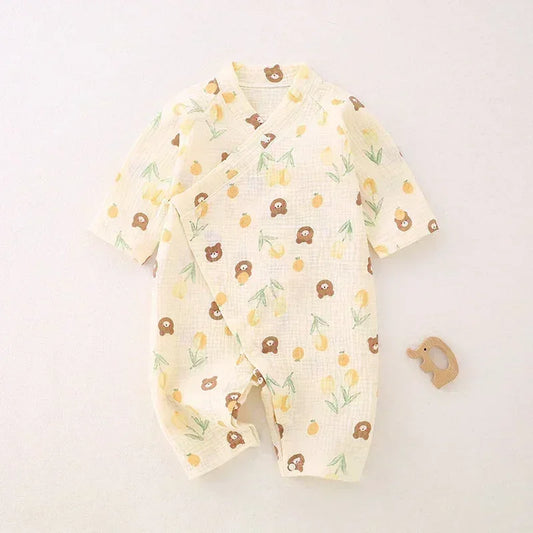
![[2-Pieces Set] 100% Cotton Long-Sleeve Kimono Romper - Blue & Blue Stripe](http://www.organiccottonclubs.com/cdn/shop/files/2_afd198b870f106588ecfc526d714b7a8.jpg?v=1764440625&width=533)


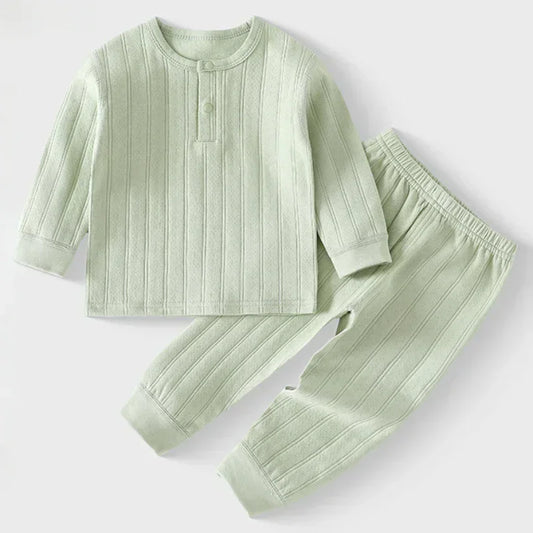
![[2-Pieces Set] 100% Cotton Long Sleeve Side-Snap Bodysuit - Pink & Pink Stripe](http://www.organiccottonclubs.com/cdn/shop/files/2_e34e329d03103a1ef2a830ed0f72d8f4.jpg?v=1759165907&width=533)
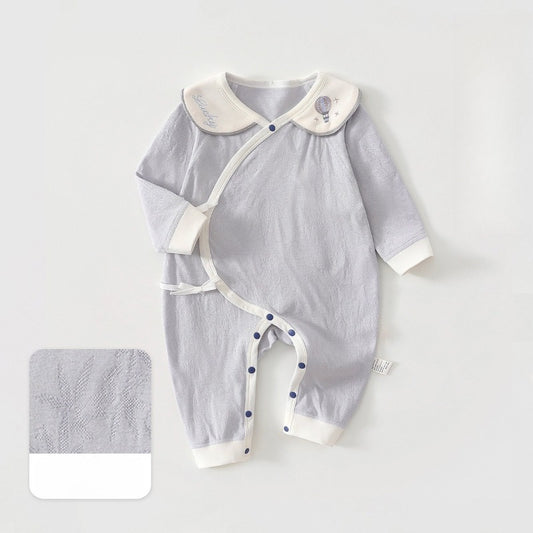
![[2-Pieces Set] 100% Cotton Long Sleeve Snapup Romper - Green & Green Stripe](http://www.organiccottonclubs.com/cdn/shop/files/4_dcde8d24f74c34bd214567f4011b27d7.jpg?v=1759166636&width=533)