

Signs of Potty Readiness: Is Your Toddler Ready?
Share
Signs of Potty Readiness: Is Your Toddler Ready?
The journey from diapers to the potty is a major milestone in every parent's life, yet it is often fraught with anxiety and guesswork. For many parents, the pressure to 'finish with diapers' leads to starting too early, resulting in power struggles, accidents, and frustration for both the toddler and the caregiver. The secret to a smooth transition isn't a magic age; it's recognizing the unique physical and developmental cues your child is sending you.
The Potty Training Struggle: Why Timing is Everything
We have all been there—trying to bribe a reluctant toddler onto a plastic chair while they arch their back in protest. The struggle often stems from a lack of physiological readiness. When we force the process, we risk creating a negative association with the bathroom that can last for months. Furthermore, many parents overlook a critical component of the transition: sensory comfort. If your child is already struggling with the transition, the last thing they need is the irritation of synthetic fabrics.
The Agitation: Why Cheap Fabrics Hinder Progress
Many 'big kid' training pants found in big-box stores are made with cheap, synthetic blends and harsh chemical dyes. These materials are designed for mass production, not for sensitive toddler skin. When a toddler is learning to recognize the sensation of being 'wet,' synthetic liners often wick moisture away so efficiently that the child never connects the urge to go with the result. Worse, these fabrics can cause chafing and 'diaper rash' during a time when your child needs to feel confident and comfortable in their body. If their skin is itchy or irritated, their focus won't be on the potty; it will be on their discomfort.
The Organic Solution: Why Cotton is King
Transitioning to organic cotton training pants is a game-changer for the potty training process. Organic cotton provides a breathable, soft barrier that respects your child's delicate skin. Unlike synthetics, organic cotton allows for a slight 'wet' sensation that is crucial for cognitive development—helping the child realize they have had an accident without causing the painful irritation associated with chemical-laden diapers. By choosing organic, you are creating a safe, comfortable environment that encourages your toddler to listen to their body's signals.
7 Clear Signs Your Toddler is Ready
- Predictable Bowel Movements: Your child has movements at roughly the same time each day or stays dry for at least two hours during naps.
- Discomfort with Dirty Diapers: They begin to pull at a wet diaper or bring it to your attention immediately after an accident.
- Interest in Others' Bathroom Habits: They follow you into the bathroom (as toddlers do!) and ask questions about what the 'potty' is for.
- Ability to Follow Simple Instructions: They can follow two-step commands like 'Please go get the ball and put it in the basket.'
- Physical Ability: They can walk to the bathroom and have the motor skills to pull their pants up and down.
- Using 'Potty Language': They have specific words or gestures for needing to go, even if it happens after the fact.
- Desire for Independence: The 'I do it myself!' phase is a prime indicator that they are ready to take charge of their bathroom routine.
Final Thoughts
Potty training is not a race; it's a developmental bridge. By waiting for these signs and supporting your child with high-quality, organic fabrics, you turn a potential battlefield into a bonding experience. Trust your child’s pace, invest in their comfort, and remember that every small step forward is a victory. Are you ready to trade the disposables for soft, organic cotton? Your toddler’s skin—and their confidence—will thank you.
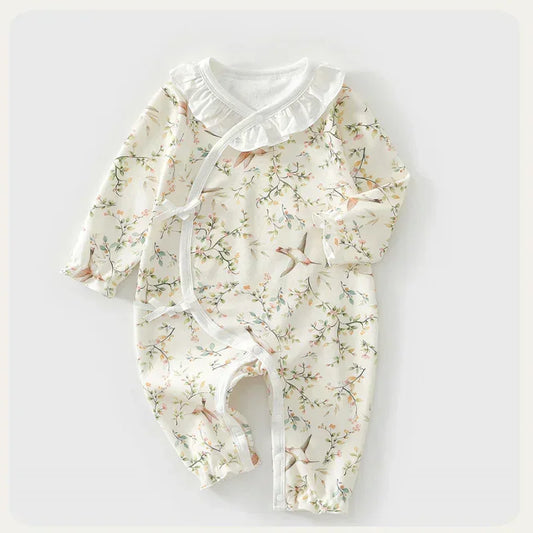
![[2-Pieces Set] 100% Cotton Long-Sleeve Kimono Romper - Blue & Blue Stripe](http://www.organiccottonclubs.com/cdn/shop/files/2_afd198b870f106588ecfc526d714b7a8.jpg?v=1764440625&width=533)


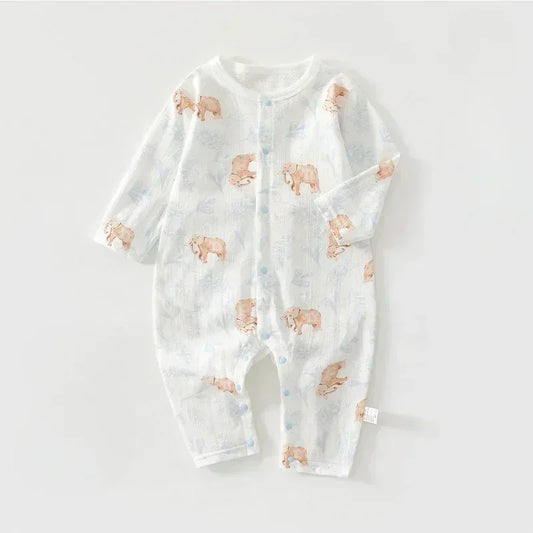
![[2-Pieces Set] 100% Cotton Long Sleeve Side-Snap Bodysuit - Pink & Pink Stripe](http://www.organiccottonclubs.com/cdn/shop/files/2_e34e329d03103a1ef2a830ed0f72d8f4.jpg?v=1759165907&width=533)
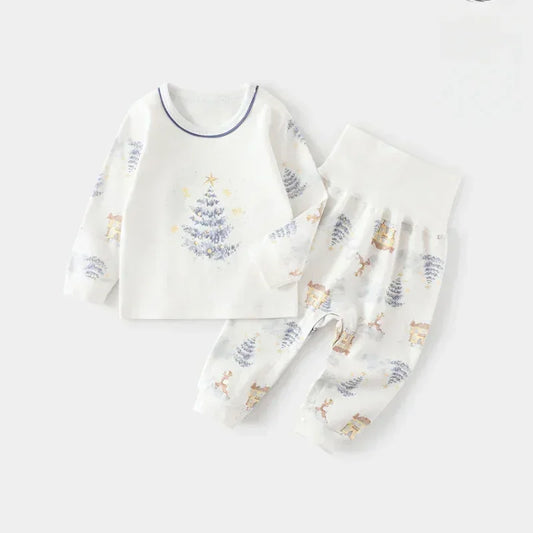
![[2-Pieces Set] 100% Cotton Long Sleeve Snapup Romper - Green & Green Stripe](http://www.organiccottonclubs.com/cdn/shop/files/4_dcde8d24f74c34bd214567f4011b27d7.jpg?v=1759166636&width=533)