


Signs Your Baby Has a Fabric Sensitivity (And What To Do)
Share
Is Your Baby Unusually Fussy? It Might Be Their Clothes
As a parent, there is nothing more distressing than seeing your little one uncomfortable. You have checked their diaper, followed the feeding schedule to a tee, and ensured the nursery temperature is just right, yet the fussiness persists. Often, the culprit is hiding in plain sight: the very fabric touching their delicate skin 24/7. Baby skin is up to five times thinner than adult skin, making it highly susceptible to irritants found in mass-produced clothing.
The Agitation: Why Cheap Materials Are Hurting Your Baby
Most conventional baby clothes are treated with a cocktail of chemicals, from flame retardants to harsh synthetic dyes and formaldehyde. When these materials rub against a baby's skin, they can cause contact dermatitis, trigger eczema flare-ups, and lead to restless sleep. Synthetic fibers like polyester are particularly problematic because they do not breathe, trapping heat and sweat against the skin, which further exacerbates irritation and rashes. If your baby is constantly tugging at their collar or has red patches that won't go away, their wardrobe might be the primary agitator.
Signs Your Baby Has a Fabric Sensitivity
- Persistent Redness: Rashes that appear specifically where seams or elastic touch the skin.
- Dry, Scalpy Patches: Areas of skin that feel rough or look flaky despite regular moisturizing.
- Increased Crying After Dressing: If your baby becomes agitated immediately after a clothing change.
- Heat Rash: Tiny red bumps caused by non-breathable synthetic fabrics trapping sweat.
- Restless Sleep: Constant squirming or scratching during the night.
The Solution: The Power of Organic Cotton
The transition to GOTS-certified organic cotton is the most effective way to eliminate fabric-related sensitivities. Organic cotton is grown without toxic pesticides and processed without the heavy metals and bleach found in standard textiles.
Why Organic Cotton Wins:
- Hypoallergenic Properties: Naturally soft and free from chemical residues that trigger reactions.
- Superior Breathability: Regulates body temperature, preventing the sweat-induced irritation common with synthetics.
- Durability: Organic fibers are stronger because they haven't been weakened by chemical stripping, meaning they stay soft wash after wash.
What To Do Next: A Parent's Action Plan
Start by auditing your baby's current wardrobe. Check labels for high polyester content or chemical finishes. When shopping, prioritize 'GOTS Certified' labels to ensure the highest purity standards. Wash all new clothes in a fragrance-free, hypoallergenic detergent before use, and consider switching to muslin or organic cotton swaddles to provide a consistent, soothing environment for their skin.
Final Thoughts
Your baby's skin is their first line of defense against the world. By choosing high-quality, organic materials, you are not just buying clothes; you are providing a barrier of comfort and safety. A few simple changes in fabric choice can lead to a happier, calmer baby and much-needed peace of mind for you.
![[2-Pieces Set] 100% Cotton Long-Sleeve Kimono Romper - Blue & Blue Stripe](http://www.organiccottonclubs.com/cdn/shop/files/2_afd198b870f106588ecfc526d714b7a8.jpg?v=1764440625&width=533)


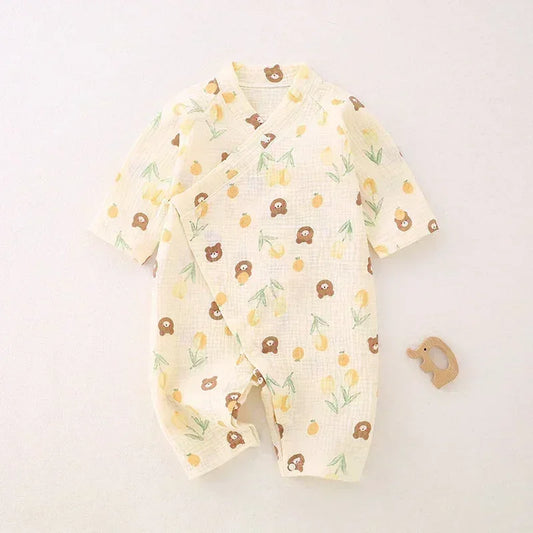
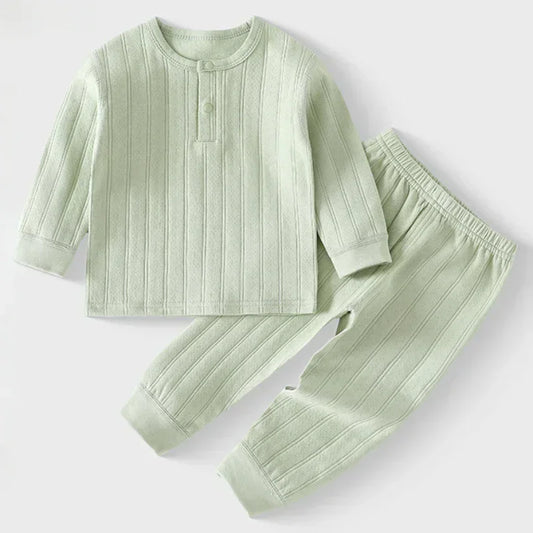
![[2-Pieces Set] 100% Cotton Long Sleeve Side-Snap Bodysuit - Pink & Pink Stripe](http://www.organiccottonclubs.com/cdn/shop/files/2_e34e329d03103a1ef2a830ed0f72d8f4.jpg?v=1759165907&width=533)
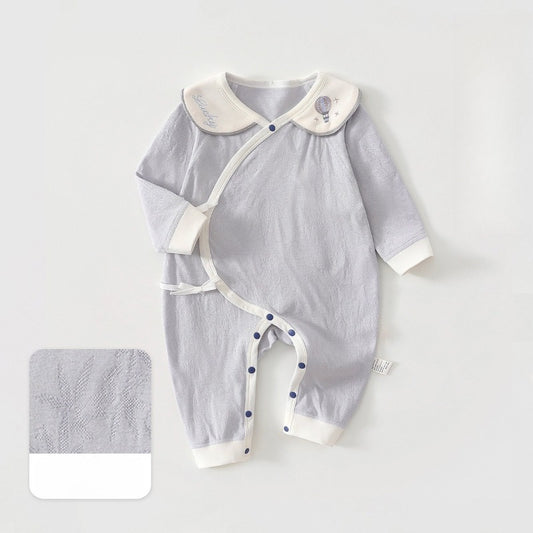
![[2-Pieces Set] 100% Cotton Long Sleeve Snapup Romper - Green & Green Stripe](http://www.organiccottonclubs.com/cdn/shop/files/4_dcde8d24f74c34bd214567f4011b27d7.jpg?v=1759166636&width=533)