

Sleep Sack vs. Swaddle: Which is Safer for Newborns?
Share
The Great Bedtime Debate: Choosing Your Baby's First Bedding
Every new parent knows the feeling: standing in a beautifully curated nursery at 2 AM, staring at a crying newborn, and wondering if you have done everything right. One of the most common sources of anxiety is sleep safety. You want your baby to be warm and snug, but the fear of SIDS and overheating is real. When you search for the best solution, you are met with two main contenders: the traditional swaddle and the modern sleep sack. But which one is truly safer for your newborn?
The Problem: The Exhausting Search for Safe Sleep
Navigating the early weeks of parenthood is hard enough without the conflicting advice found online. You are told babies need to feel secure to sleep, yet you are also warned about the dangers of loose blankets in the crib. Many parents turn to whatever is cheapest or most available, often choosing synthetic materials that do not breathe. This leads to a cycle of fussiness, midnight wake-ups, and the constant worry that your baby is either too cold or dangerously overheating.
The Agitation: Why Cheap Materials and Poor Fit Are Hidden Dangers
The danger often lies in the details we overlook when we are sleep-deprived. Cheap, polyester-heavy swaddles and sleep sacks might look cute, but they trap heat against your baby's delicate skin. Overheating is a significant risk factor for SIDS. Furthermore, a poorly designed swaddle that comes undone can quickly become a loose blanket—a major suffocation hazard. If a swaddle is too tight around the hips, it can lead to hip dysplasia. If a sleep sack is too loose around the neck, the baby can slip inside. These are not just inconveniences; they are safety risks that can be avoided with the right knowledge and quality gear.
The Solution: The Benefits of Organic Cotton and Proper Design
The key to safety is choosing the right tool for your baby's developmental stage and prioritizing high-quality, natural fibers. Organic cotton is the gold standard for newborn sleepwear because it is breathable, moisture-wicking, and free from harsh chemicals.
- The Swaddle (0-3 Months): Best for the 'fourth trimester.' It mimics the womb and prevents the startle reflex from waking the baby. To keep it safe, ensure it is snug around the chest but loose around the hips, and always stop swaddling as soon as your baby shows signs of rolling over.
- The Sleep Sack (Birth and Beyond): Often called a 'wearable blanket.' It provides warmth without the risk of loose fabric. Many experts recommend transitioning to a sleep sack early to ensure there is no risk of the baby breaking free from a wrap.
- Temperature Regulation: Organic cotton allows for natural airflow, reducing the risk of overheating regardless of which style you choose.
Final Thoughts
Whether you choose a swaddle or a sleep sack, safety comes down to fit, fabric, and following the 'back to sleep' guidelines. By investing in organic cotton and monitoring your baby's milestones, you can create a safe, serene sleep environment. Remember, a safe baby is a sleeping baby, and a sleeping baby means a more rested you.
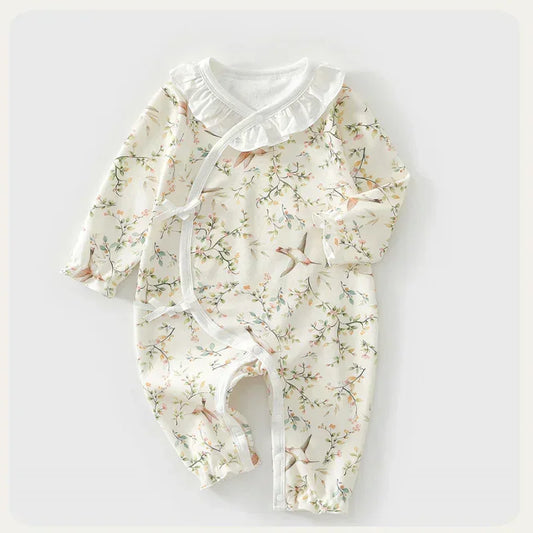
![[2-Pieces Set] 100% Cotton Long-Sleeve Kimono Romper - Blue & Blue Stripe](http://www.organiccottonclubs.com/cdn/shop/files/2_afd198b870f106588ecfc526d714b7a8.jpg?v=1764440625&width=533)


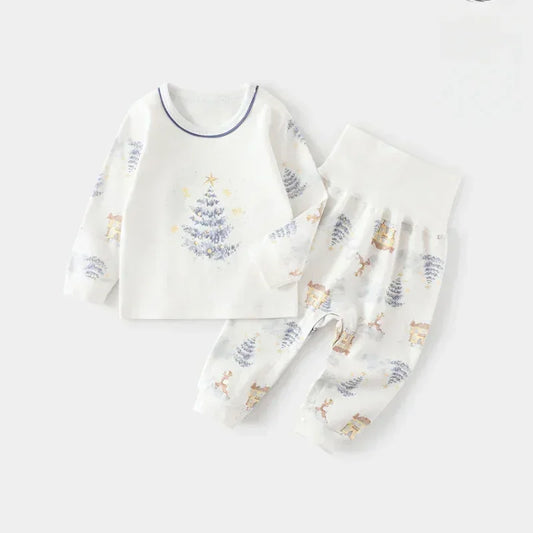
![[2-Pieces Set] 100% Cotton Long Sleeve Side-Snap Bodysuit - Pink & Pink Stripe](http://www.organiccottonclubs.com/cdn/shop/files/2_e34e329d03103a1ef2a830ed0f72d8f4.jpg?v=1759165907&width=533)
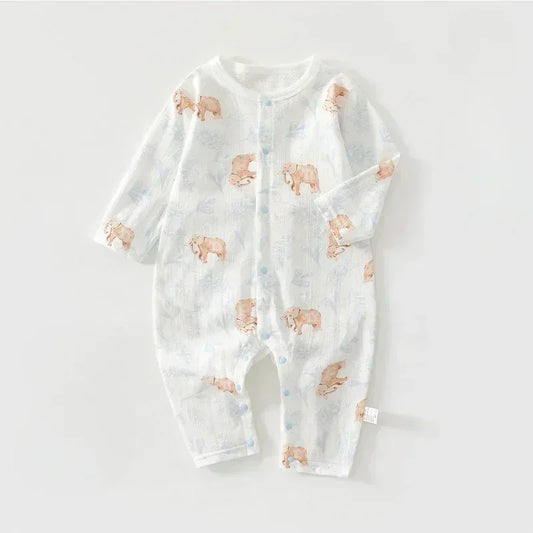
![[2-Pieces Set] 100% Cotton Long Sleeve Snapup Romper - Green & Green Stripe](http://www.organiccottonclubs.com/cdn/shop/files/4_dcde8d24f74c34bd214567f4011b27d7.jpg?v=1759166636&width=533)