

"Stop Saying No": 10 Positive Phrases That Get Toddlers to Listen.
Share
"Stop Saying No": 10 Positive Phrases That Get Toddlers to Listen
Does it feel like every conversation with your toddler ends in a battle of wills? Parenting a small child often feels like a constant stream of 'no,' 'stop,' and 'don't.' This cycle of negativity doesn't just drain your energy; it often causes your child to tune out or melt down, leaving both of you frustrated by the end of the day.
The Hidden Friction in Your Child's Day
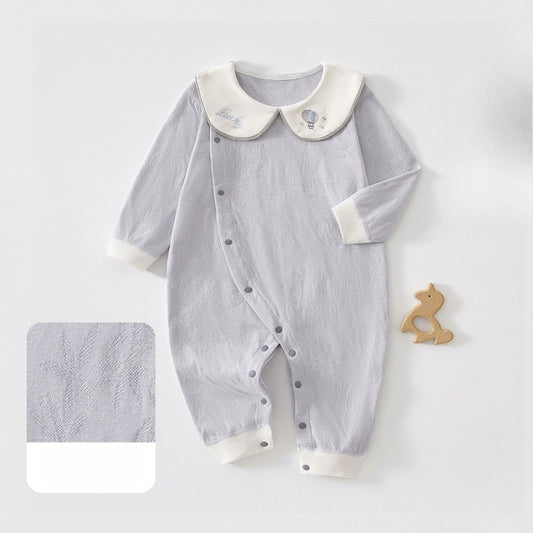
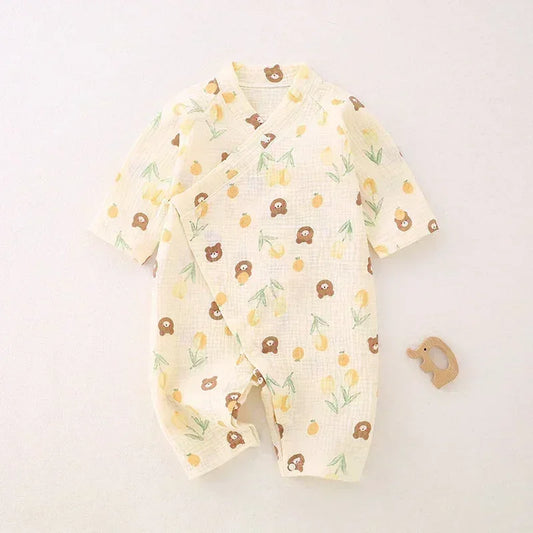
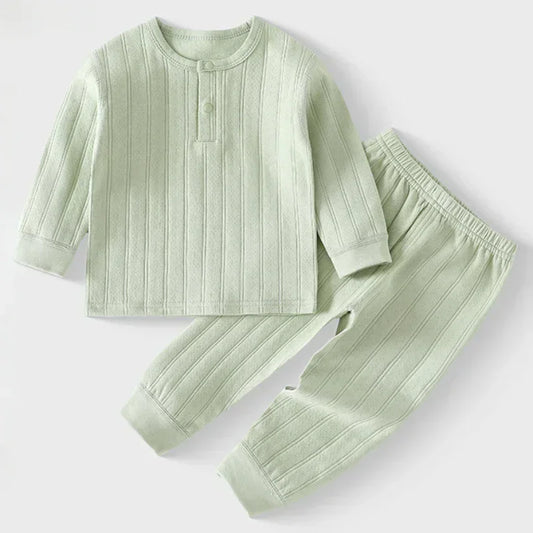
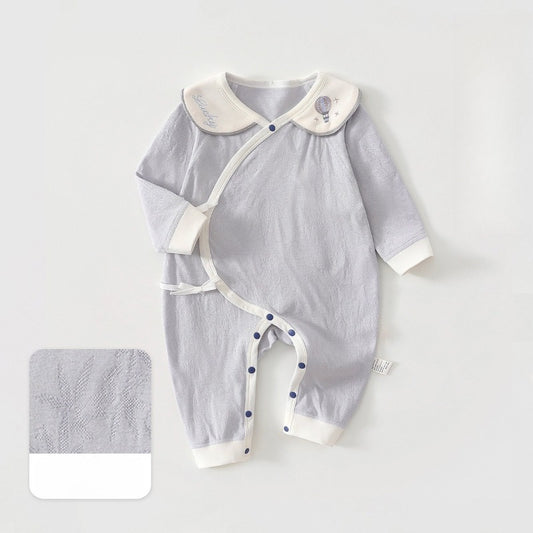
Just as cheap, synthetic fabrics can cause physical irritation, rashes, and restlessness for a toddler's sensitive skin, a language filled with constant 'no' creates emotional friction. When a child feels restricted or physically uncomfortable—perhaps from a scratchy, non-breathable polyester shirt or a stiff waistband—their threshold for frustration drops significantly. This is where the 'No' cycle becomes most dangerous, turning simple requests into high-stress events that leave everyone exhausted.
The Organic Solution: Soft Fabric, Soft Words
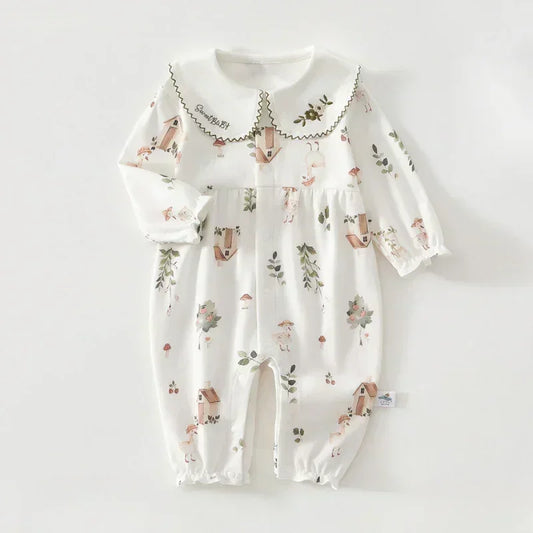
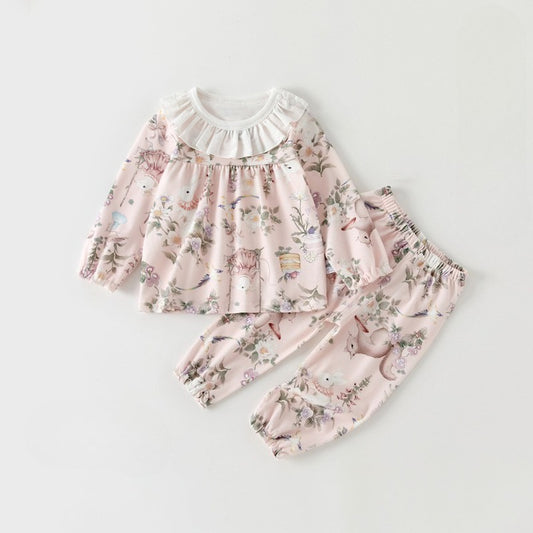
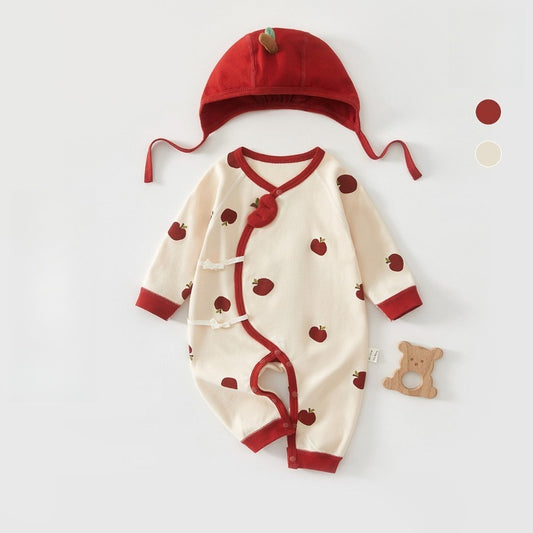
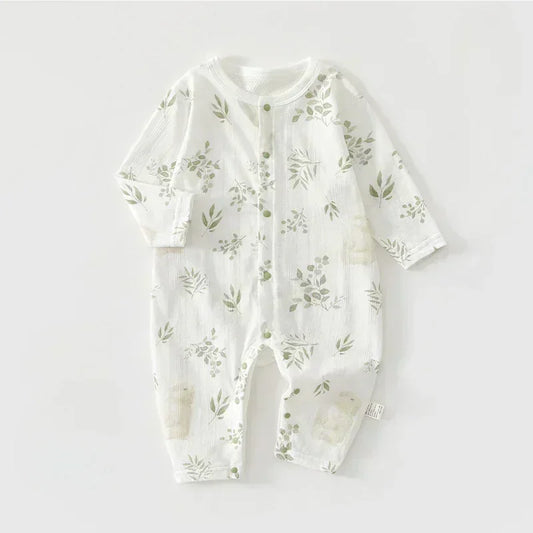
The solution starts with creating a soothing environment that minimizes sensory overload. Transitioning to organic cotton clothing provides a foundation of physical comfort that helps regulate a child's nervous system. When they aren't fighting an itchy collar or sweaty synthetic materials, they are naturally more receptive to your guidance. Pairing this physical comfort with positive phrasing creates a powerful shift in behavior. Positive phrases tell a child what TO do, rather than what to STOP doing, reducing their urge to resist.
10 Positive Phrases for Better Listening
- 'Please walk' instead of 'Stop running.'
- 'Keep your feet on the floor' instead of 'Don't climb that.'
- 'Use your gentle hands' instead of 'Stop hitting.'
- 'Tell me in your normal voice' instead of 'Stop whining.'
- 'Let's keep the water in the tub' instead of 'Don't splash.'
- 'Put your toys in the bin' instead of 'Don't leave a mess.'
- 'Let's stay on the path' instead of 'Don't go in the grass.'
- 'Please sit while you eat' instead of 'Don't stand on the chair.'
- 'I can listen once you are calm' instead of 'Stop crying.'
- 'Hold my hand to stay safe' instead of 'Don't run away.'
The Benefits of a Gentle Approach
- Reduces Power Struggles: Directing behavior positively gives toddlers a clear path to follow.
- Lowers Stress: A calmer voice and a softer environment reduce cortisol for both parent and child.
- Physical Comfort: Organic fibers eliminate skin irritation, making toddlers less prone to 'unexplained' crankiness.
- Builds Trust: Your child learns to listen because they feel understood and comfortable, not because they are afraid.
Final Thoughts
By swapping restrictive language for positive redirection—and restrictive fabrics for soft, breathable organic cotton—you create a home environment rooted in comfort and cooperation. The transition takes practice, but the reward is a more peaceful connection with your little one. Start small, be patient, and watch how your toddler responds to the change.
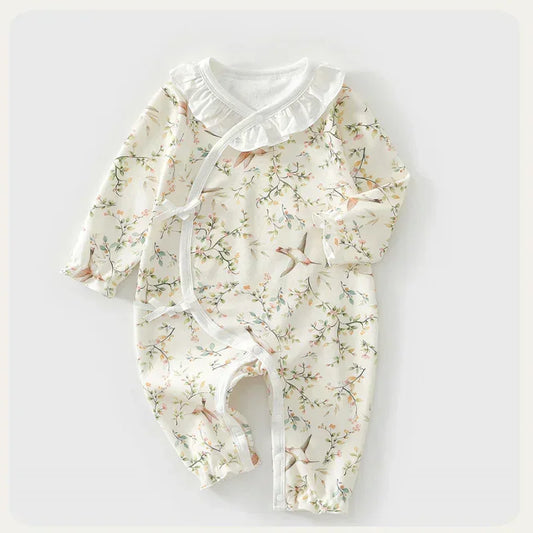
![[2-Pieces Set] 100% Cotton Long-Sleeve Kimono Romper - Blue & Blue Stripe](http://www.organiccottonclubs.com/cdn/shop/files/2_afd198b870f106588ecfc526d714b7a8.jpg?v=1764440625&width=533)


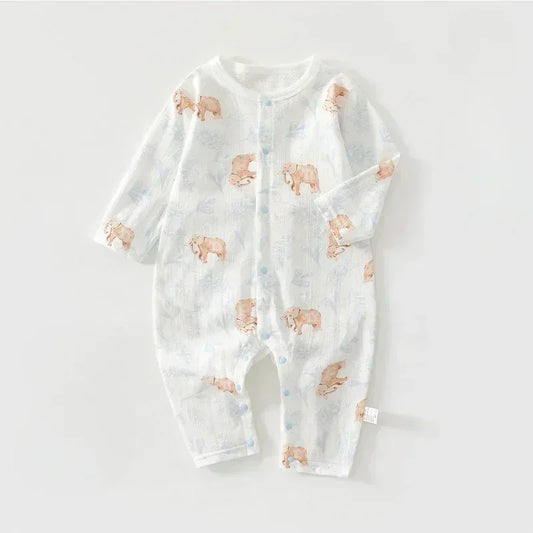
![[2-Pieces Set] 100% Cotton Long Sleeve Side-Snap Bodysuit - Pink & Pink Stripe](http://www.organiccottonclubs.com/cdn/shop/files/2_e34e329d03103a1ef2a830ed0f72d8f4.jpg?v=1759165907&width=533)
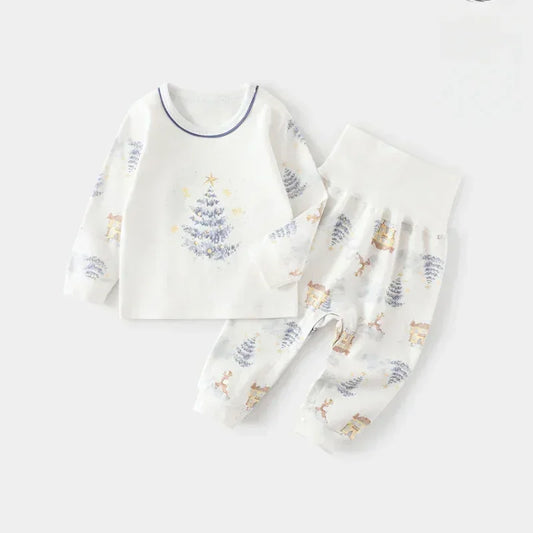
![[2-Pieces Set] 100% Cotton Long Sleeve Snapup Romper - Green & Green Stripe](http://www.organiccottonclubs.com/cdn/shop/files/4_dcde8d24f74c34bd214567f4011b27d7.jpg?v=1759166636&width=533)