

Summer Baby? 5 Rules to survive the Heatwave.
Share
Navigating Your First Summer with a Newborn
Welcoming a new baby during the peak of summer brings a unique set of challenges that can leave even the most prepared parents feeling overwhelmed. As the mercury rises and the sun beats down, the priority shifts from simple snuggles to vital temperature regulation. A summer heatwave is not just an inconvenience; for a newborn whose body is still learning to regulate its own temperature, it can be a genuine health risk. Many parents find themselves in a constant state of anxiety, checking foreheads and monitoring breathing as the house warms up. The struggle is real: how do you keep a tiny human cool when the air feels like a furnace? This is the core problem facing summer parents today.
The Hidden Danger of Cheap, Synthetic Materials
In our attempt to find affordable baby gear, many of us fall into the trap of purchasing synthetic fabrics. While polyester, nylon, and acrylic might look cute and come at a lower price point, they are essentially the enemies of a cool baby. These petroleum-based fibers act like a plastic wrap, trapping heat and moisture against your baby's incredibly sensitive skin. This lack of breathability leads to a rapid rise in body temperature and is a leading cause of heat rash, also known as prickly heat. Imagine being wrapped in a plastic bag on a 90-degree day—that is the sensation a baby feels in synthetic clothing. The agitation of a sweaty, itchy, and overheating infant is a nightmare for parents, leading to inconsolable crying and disrupted sleep cycles for the entire household.
Rule 1: Prioritize GOTS-Certified Organic Cotton
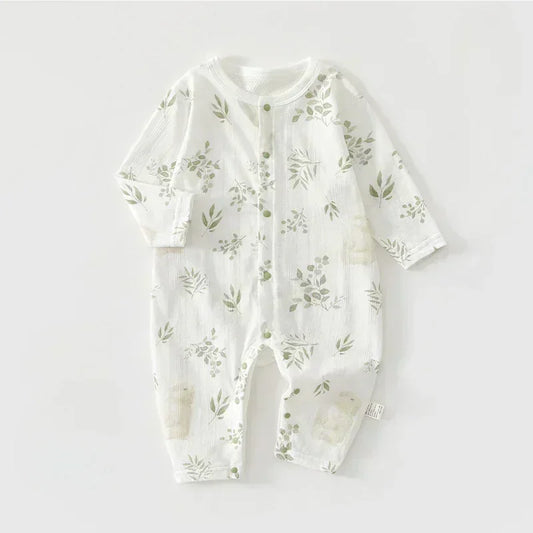
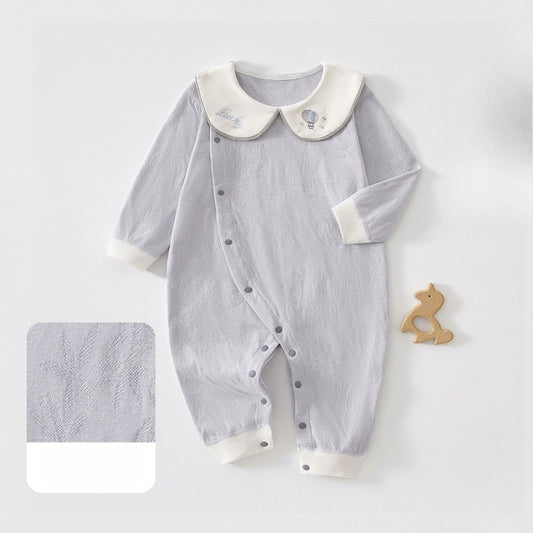
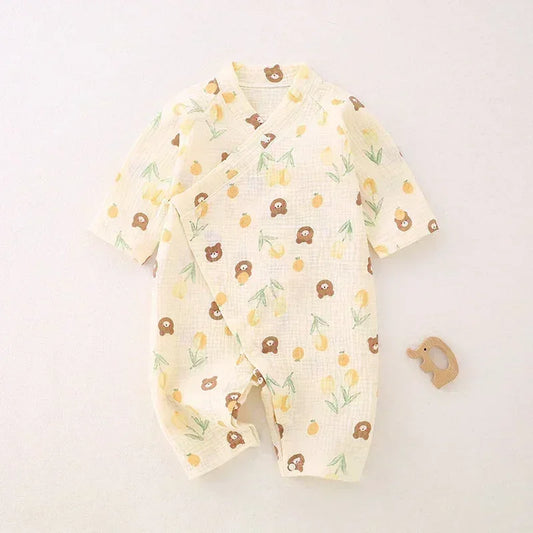
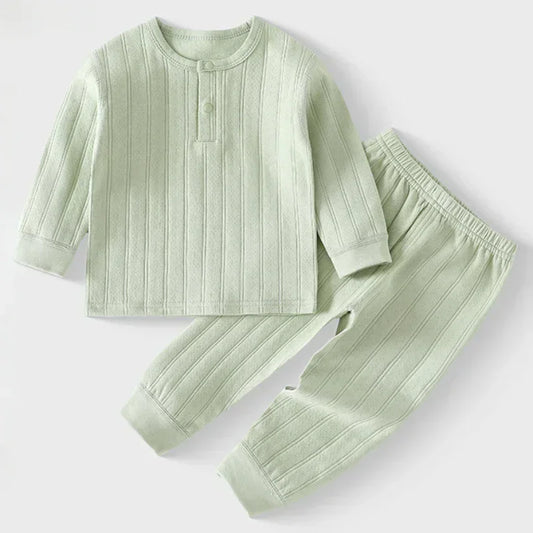
The single most effective solution to combat overheating is the switch to high-quality, GOTS-certified organic cotton. Unlike its synthetic counterparts, organic cotton is a natural fiber with hollow structures that allow for incredible airflow. It acts as a natural thermostat, wicking moisture away from the skin and allowing it to evaporate quickly. When you choose organic cotton, you are ensuring that no harsh chemicals or pesticides come into contact with your baby's skin, which is already more permeable than an adult's. A simple, loose-fitting organic cotton onesie or a lightweight muslin swaddle can make the difference between a restless afternoon and a peaceful nap. It is the gold standard for summer baby safety.
Rule 2: Hydration as a Primary Defense
During a heatwave, hydration becomes your baby's best friend. It is crucial to remember that babies under six months should not be given water, as it can interfere with their ability to absorb nutrients from milk. Instead, the solution is more frequent feedings. If you are breastfeeding, you might find your baby wanting shorter, more frequent 'snack' feeds to quench their thirst. Your breastmilk actually changes its composition during hot weather to become more watery and hydrating. If you are formula-feeding, stick to the recommended concentrations but offer the bottle more often. Watch for heavy wet diapers; you want to see at least six to eight in a 24-hour period to ensure they are staying hydrated.
Rule 3: Strategic Timing for Outdoor Exposure
The sun is a powerful force, and its UV rays are most intense between 11 AM and 4 PM. During these peak hours, the best rule of thumb is to stay indoors in a temperature-controlled environment. If you must venture out, seeking deep shade is non-negotiable. One common mistake is covering a stroller with a blanket to provide shade; research shows this can create a dangerous 'oven effect' where temperatures inside the stroller rise by several degrees in minutes. Instead, use a clip-on battery-operated fan and a dedicated stroller parasol that allows for constant air circulation. Keep outdoor adventures restricted to the early morning or the late evening when the air is crisper.
Rule 4: Cooling Rituals with Water
When the heat becomes too much, water is a gentle and effective way to lower a baby's temperature. A lukewarm bath—not cold—is a fantastic way to soothe a fussy baby. The water should feel just slightly warm to your elbow. This helps to dissipate body heat without causing the baby to shiver, which actually raises core temperature. Between baths, keep a bowl of cool water and a soft organic cotton washcloth nearby. Gently dabbing your baby's pulse points, such as their wrists, behind the knees, and the back of the neck, can provide instant relief. This mimicking of sweat helps the body cool down naturally through evaporation.
Rule 5: Creating a Cool Sleep Sanctuary
Sleep is often the first thing to suffer during a heatwave. To survive the night, you must treat the nursery like a sanctuary. Keep the blinds or blackout curtains closed all day to prevent the 'greenhouse effect' from sunlight hitting the windows. Use a pedestal fan to keep air moving, but ensure it is oscillating and not blowing directly onto the baby's skin. Strip back the bedding; a baby sleeping in just a diaper or a very thin 0.5 TOG organic cotton sleep bag is perfectly safe in high temperatures. Use a digital room thermometer to keep a close eye on the environment, aiming for a range between 16 and 20 degrees Celsius if your air conditioning allows.
Final Thoughts on Beating the Heat
Navigating a heatwave with a newborn requires vigilance, but it doesn't have to be a source of constant stress. By moving away from heat-trapping synthetics and embracing the breathable power of organic cotton, you provide your baby with the best possible defense against the sun. Combine this with smart hydration, timed outings, and cooling rituals, and you will not only survive the summer but thrive in it. Parenting is a journey of constant adjustment—stay cool, stay hydrated, and enjoy those precious summer snuggles safely.
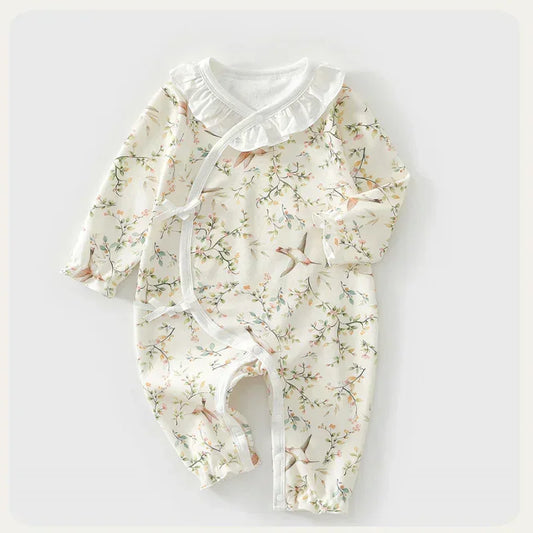
![[2-Pieces Set] 100% Cotton Long-Sleeve Kimono Romper - Blue & Blue Stripe](http://www.organiccottonclubs.com/cdn/shop/files/2_afd198b870f106588ecfc526d714b7a8.jpg?v=1764440625&width=533)


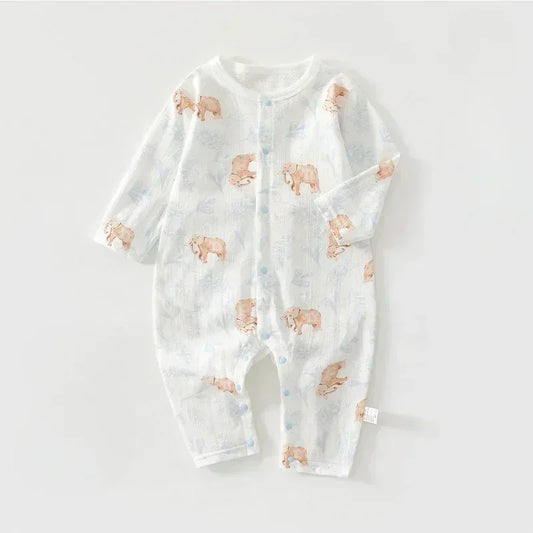
![[2-Pieces Set] 100% Cotton Long Sleeve Side-Snap Bodysuit - Pink & Pink Stripe](http://www.organiccottonclubs.com/cdn/shop/files/2_e34e329d03103a1ef2a830ed0f72d8f4.jpg?v=1759165907&width=533)
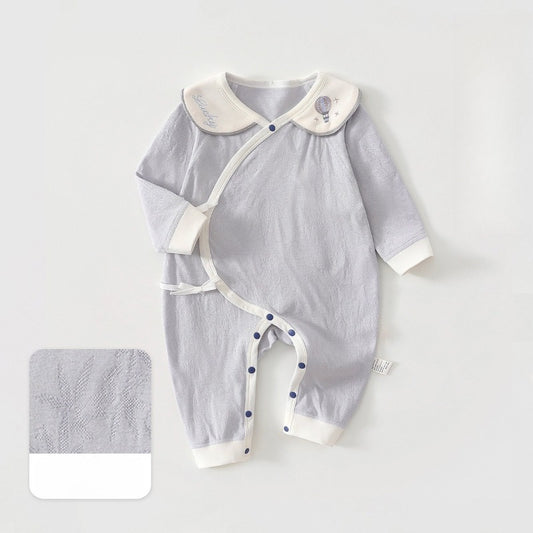
![[2-Pieces Set] 100% Cotton Long Sleeve Snapup Romper - Green & Green Stripe](http://www.organiccottonclubs.com/cdn/shop/files/4_dcde8d24f74c34bd214567f4011b27d7.jpg?v=1759166636&width=533)