

Teaching Baby to Talk: A 0-12 Month Language Development Timeline.
Share
Teaching Baby to Talk: A Comprehensive 0-12 Month Language Development Timeline
The silence of a newborn home is often filled with a parent's quiet anxiety. You watch your little one, wondering when those first words will bridge the gap between their needs and your understanding. The struggle is real: the frustration of a 'guessing game' during a crying fit can leave any parent feeling exhausted and disconnected. We often forget that communication begins long before the first 'Mama' or 'Dada' is ever uttered.
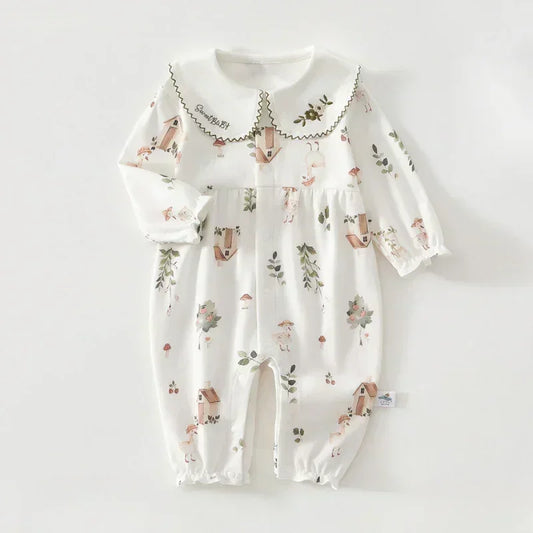
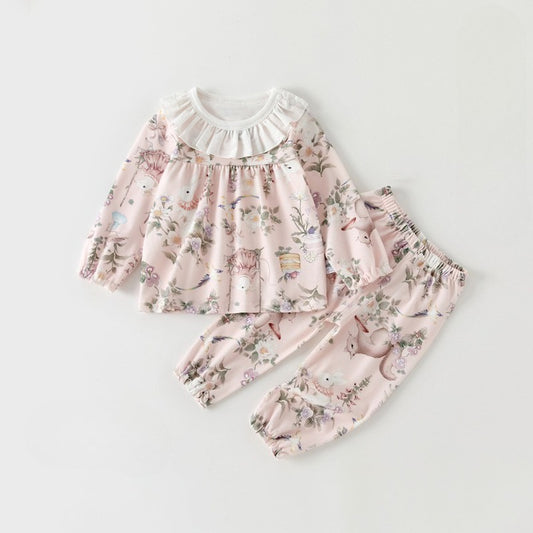
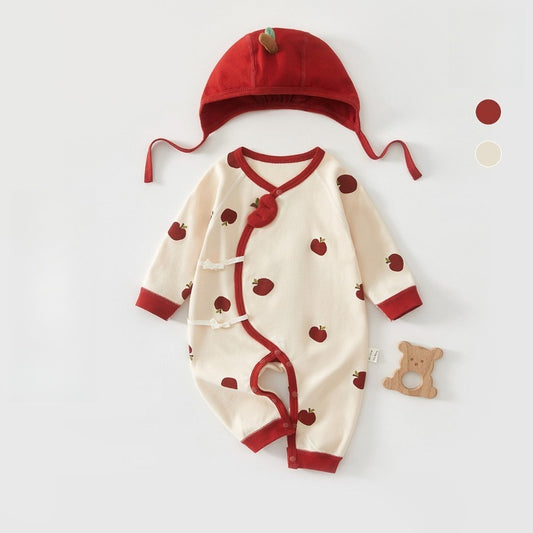
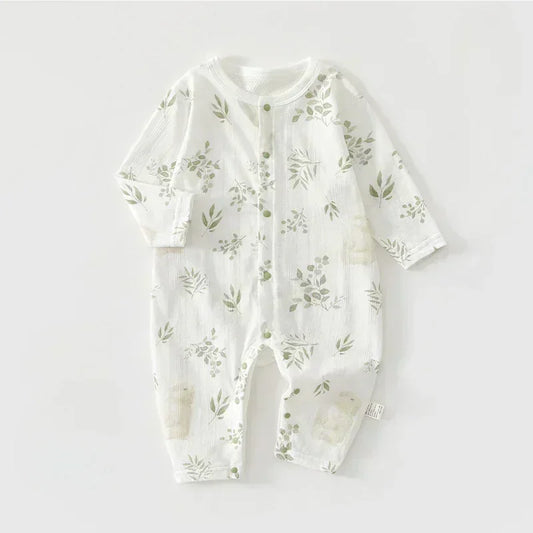
Many parents don't realize that a baby's physical environment plays a massive role in cognitive development. When a child is swaddled in rough, synthetic fabrics, their nervous system is distracted by skin irritation and overheating. This agitation takes energy away from observing facial cues and processing sounds. Transitioning to organic cotton provides the calm, irritation-free foundation necessary for your baby to focus on your voice rather than their discomfort.
0-3 Months: The Foundation of Sound
In the earliest stage, your baby is a linguistic sponge. They are learning the rhythm of your primary language. To support them during this phase, focus on proximity and tone.
- Cooing and Gurgling: These vowel-heavy sounds are the first steps toward speech.
- Eye Contact: Always maintain 'en face' positioning to let them see how your lips move.
- The Organic Advantage: A soft, organic environment reduces sensory overload, allowing them to focus on your auditory cues.
4-6 Months: The Babbling Breakthrough
This is the 'vocal play' stage. You will hear consonant-vowel combinations like 'ba-ba' or 'ma-ma,' though they aren't yet linked to meaning. This is the time to start narrating your day. Describe the texture of their organic cotton onesie or the color of the trees outside to build their latent vocabulary.
7-9 Months: Receptive Language Mastery
Before they can speak, they must understand. By nine months, most babies respond to their name and simple commands like 'No.' They are beginning to use non-verbal gestures, such as pointing, to communicate their desires. If they point at their favorite organic lovey, name the object clearly: 'You want your blanket?'
10-12 Months: The First Meaningful Words
The milestone every parent waits for arrives around the first birthday. This stage is about imitation. They will start mimicking the sounds they hear most frequently. The clarity of their speech at this stage is less important than the intention behind the sound.
How to Accelerate Language Growth
- Read Daily: Even if they don't understand the plot, the cadence of reading is essential.
- Limit Background Noise: Turn off the TV; your live voice is the best teacher.
- Prioritize Comfort: A baby in breathable, hypoallergenic organic cotton is a baby who is relaxed enough to learn.
Final Thoughts
Teaching your baby to talk isn't a race; it's a gradual unfolding of human connection. By removing physical distractions like itchy synthetic clothing and replacing them with soft, organic alternatives, you create a sanctuary for learning. Stay patient, keep talking, and enjoy every babble along the way.
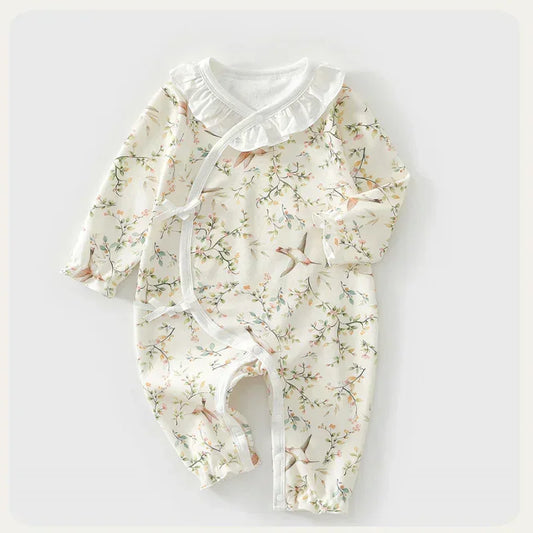
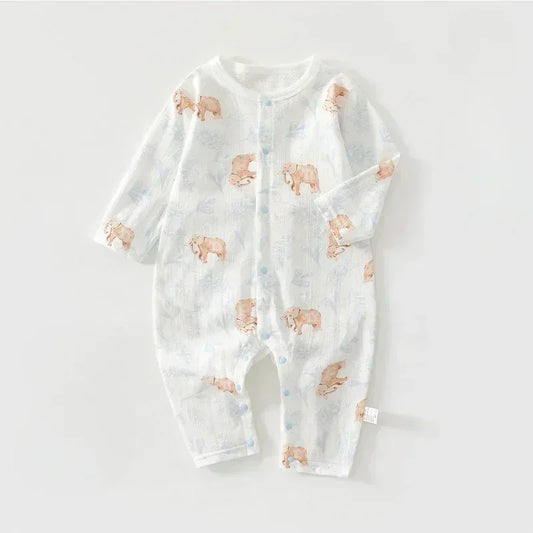
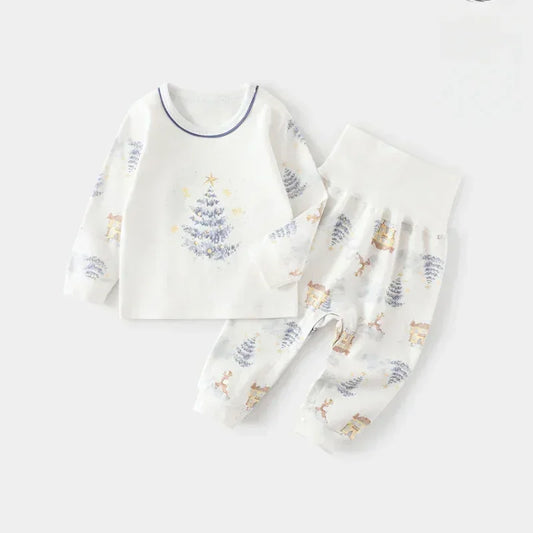
![[2-Pieces Set] 100% Cotton Long-Sleeve Kimono Romper - Blue & Blue Stripe](http://www.organiccottonclubs.com/cdn/shop/files/2_afd198b870f106588ecfc526d714b7a8.jpg?v=1764440625&width=533)


![[2-Pieces Set] 100% Cotton Long Sleeve Side-Snap Bodysuit - Pink & Pink Stripe](http://www.organiccottonclubs.com/cdn/shop/files/2_e34e329d03103a1ef2a830ed0f72d8f4.jpg?v=1759165907&width=533)
![[2-Pieces Set] 100% Cotton Long Sleeve Snapup Romper - Green & Green Stripe](http://www.organiccottonclubs.com/cdn/shop/files/4_dcde8d24f74c34bd214567f4011b27d7.jpg?v=1759166636&width=533)