


The 3-3-3 Rule for Breast Milk Storage
Share
Mastering the 3-3-3 Rule for Breast Milk Storage
Being a new parent is a whirlwind of joy, exhaustion, and a never-ending list of things to remember. Between diaper changes and sleep schedules, breastfeeding and pumping often feel like a full-time job. The struggle to keep up with 'liquid gold' production is real, and the last thing any mother wants is to see a single ounce of hard-earned breast milk go to waste. Confusion over safety guidelines leads to unnecessary stress: 'Is this bottle still good?' 'Did I leave it out too long?'
The Agitation: The High Stakes of Storage
When storage guidelines are unclear, parents often default to throwing milk away just to be safe, which feels like a heartbreak every time. Conversely, using improperly stored milk can lead to bacterial growth, which is a major concern for a developing infant's gut health. Much like choosing the wrong fabrics for a baby's sensitive skin can cause irritation and discomfort, using suboptimal storage methods—like low-quality plastic bags that leak or leach chemicals—hurts your peace of mind and your baby's nutrition. You deserve a simple, reliable system that removes the guesswork.
The Solution: The 3-3-3 Rule Explained
The 3-3-3 rule is an easy-to-remember shorthand for busy parents to ensure milk remains fresh and nutrient-dense. While some guidelines vary slightly by health organization, this rule serves as a conservative and safe baseline for healthy, full-term babies.
- 3 Hours at Room Temperature: Freshly expressed milk is best used within three hours if kept on the counter. In cooler environments, you might stretch this, but the three-hour mark is the gold standard for safety.
- 3 Days in the Refrigerator: Store your milk in the back of the fridge (never the door) for up to three days. This ensures the temperature remains consistent every time the fridge is opened.
- 3 Months in the Freezer: For long-term storage, a standard freezer keeps milk safe for three months. If you have a deep chest freezer, it can last even longer, but '3' keeps it easy to track.
Why Quality Containers Matter
Just as we prioritize organic cotton for its breathability and lack of toxins, your milk storage containers should be chosen with care. Using high-quality, BPA-free glass or food-grade silicone helps maintain the immunological properties of the milk. Avoid thin, cheap plastic liners that can tear or expose the milk to environmental contaminants. Natural, clean materials are always the best choice for your baby's health.
Final Thoughts
Navigating the early days of parenthood is about finding rhythm in the chaos. By committing the 3-3-3 rule to memory, you're not just saving milk; you're reclaiming your time and mental energy. Label every bottle with a date, trust your instincts, and know that you are providing the very best for your little one. Safe storage is the final step in a successful breastfeeding journey.
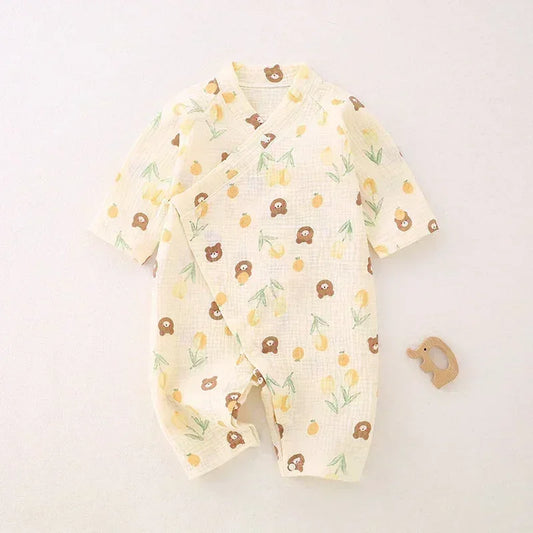
![[2-Pieces Set] 100% Cotton Long-Sleeve Kimono Romper - Blue & Blue Stripe](http://www.organiccottonclubs.com/cdn/shop/files/2_afd198b870f106588ecfc526d714b7a8.jpg?v=1764440625&width=533)


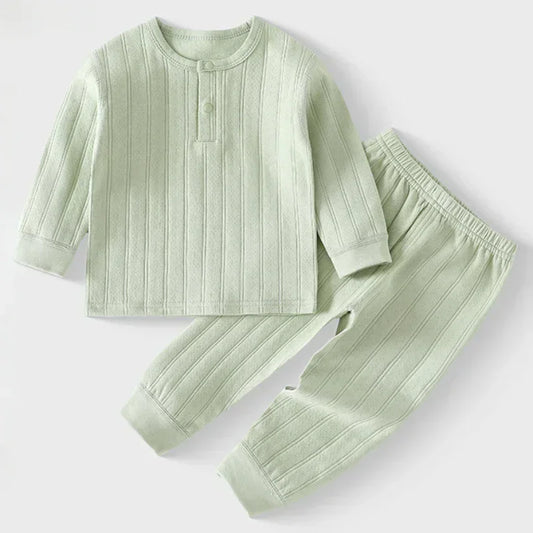
![[2-Pieces Set] 100% Cotton Long Sleeve Side-Snap Bodysuit - Pink & Pink Stripe](http://www.organiccottonclubs.com/cdn/shop/files/2_e34e329d03103a1ef2a830ed0f72d8f4.jpg?v=1759165907&width=533)
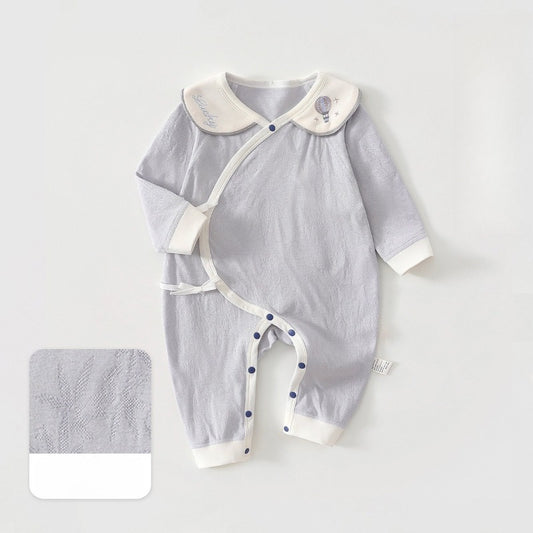
![[2-Pieces Set] 100% Cotton Long Sleeve Snapup Romper - Green & Green Stripe](http://www.organiccottonclubs.com/cdn/shop/files/4_dcde8d24f74c34bd214567f4011b27d7.jpg?v=1759166636&width=533)