

The 5-5-5 Rule for Postpartum Recovery: Why You Need to Stay in Bed.
Share
The 5-5-5 Rule for Postpartum Recovery: Why You Need to Stay in Bed
The modern world expects new mothers to 'bounce back' almost instantly. Within days of giving birth, the pressure to be active, clean the house, and host visitors begins to mount. However, your body has just undergone a massive physiological event. Whether you had a vaginal delivery or a C-section, you are healing from a significant internal wound. Ignoring this reality doesn't make you 'stronger'—it often leads to longer recovery times, increased bleeding, and emotional exhaustion.
The Struggle: The Trap of Postpartum Productivity
Many new parents feel immense guilt for resting. We equate worth with productivity, leading many to push through the pain. This 'hustle' culture is particularly dangerous during the 'Fourth Trimester.' When you move too much too soon, you risk pelvic floor issues, secondary postpartum hemorrhaging, and a significant delay in your body's ability to knit itself back together. The exhaustion isn't just in your head; it's a physical signal that your body is overextended.
Agitation: Why Your Environment and Wardrobe Matter
It is not just about staying still; it is about the quality of that rest. During this vulnerable time, your skin and body are hyper-sensitive. Cheap, synthetic fabrics like polyester or nylon can be a nightmare for a recovering mother. Postpartum night sweats are a common hormonal response, and non-breathable fabrics trap heat and moisture. This can irritate sensitive C-section incisions, exacerbate nipple soreness, and leave you feeling restless when you should be sleeping. Your recovery environment needs to be a sanctuary, not a source of irritation.
The Solution: Breaking Down the 5-5-5 Rule
The 5-5-5 rule is a traditional approach to the first 15 days of postpartum life that prioritizes physiological healing over everything else. Here is the blueprint for a healthy recovery:
- 5 Days IN the Bed: This is the strict rest phase. Your only job is to nurse the baby, enjoy skin-to-skin contact, and sleep. You should only leave the bed to use the bathroom. Meals should be brought to you.
- 5 Days ON the Bed: You can sit up, do light reading, or engage in gentle bonding, but your feet should remain elevated. You are still 'on' the bed, not walking around the house or standing for long periods.
- 5 Days AROUND the Bed: You can take very short walks to the kitchen or the couch, but your primary station remains your bedroom. No stairs, no heavy lifting, and absolutely no household chores.
The Role of Organic Cotton in Your Healing
To successfully navigate the 5-5-5 rule, your environment must support your skin health. High-quality organic cotton is a non-negotiable recovery essential. Unlike synthetic blends, organic cotton provides specific clinical benefits for the fourth trimester:
- Hypoallergenic Protection: Essential for protecting both your skin and your baby's delicate new skin during hours of constant skin-to-skin contact.
- Natural Breathability: Organic cotton naturally wicks away the moisture from postpartum hormonal shifts, keeping you dry and regulating your body temperature.
- Frictionless Comfort: It provides a gentle touch for those healing from surgeries or tears, ensuring no snagging or skin irritation during prolonged bed rest.
Key Benefits of the 5-5-5 Rule
- Reduced Risk of PPD: Improved sleep and lower physical stress are directly linked to better mental health outcomes.
- Faster Physical Healing: Giving the uterus and pelvic floor time to contract without the strain of gravity.
- Established Breastfeeding: Consistent proximity and skin-to-skin contact help regulate milk supply and baby's latch.
- Hormonal Balance: Rest allows the endocrine system to recalibrate after the massive shift following birth.
Final Thoughts
Rest is not a luxury; it is a clinical necessity for long-term postpartum health. By following the 5-5-5 rule and surrounding yourself with the soft, healing touch of organic cotton, you are giving your body the respect it deserves. Your 'bounce back' shouldn't be about how fast you can fit into old jeans, but how well you can heal for the long journey of motherhood ahead.
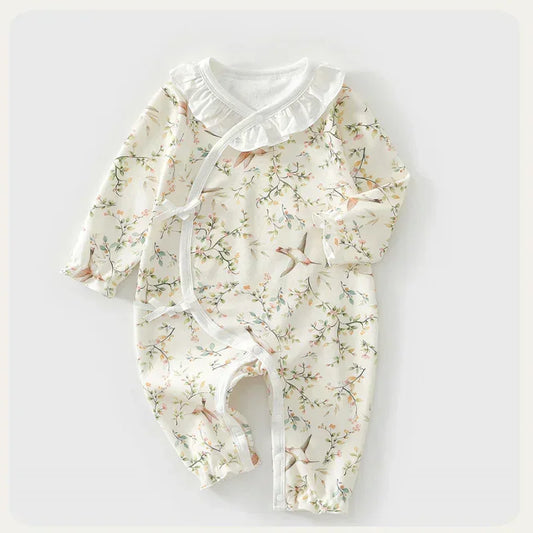
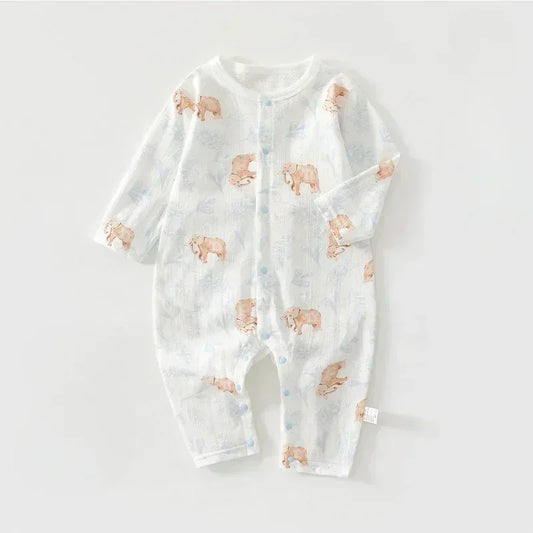
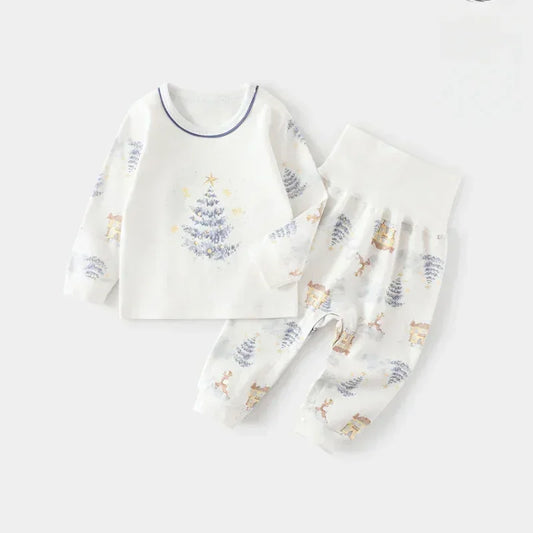
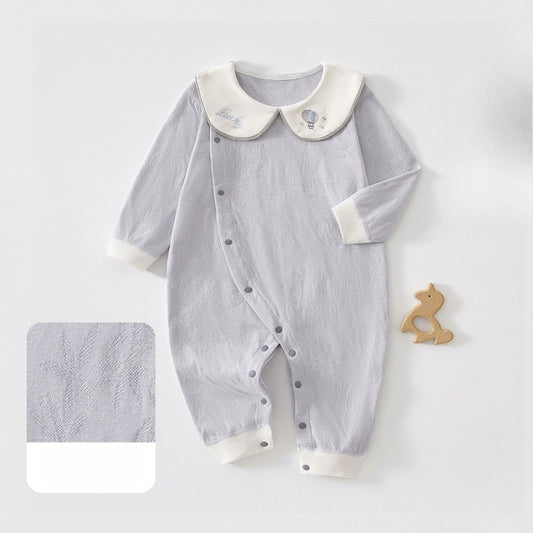
![[2-Pieces Set] 100% Cotton Long-Sleeve Kimono Romper - Blue & Blue Stripe](http://www.organiccottonclubs.com/cdn/shop/files/2_afd198b870f106588ecfc526d714b7a8.jpg?v=1764440625&width=533)


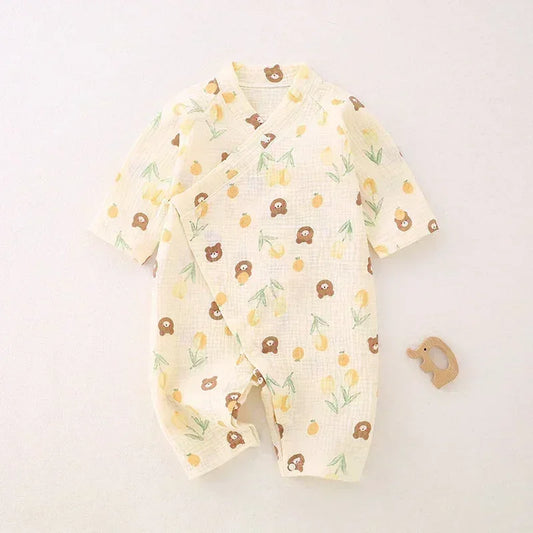
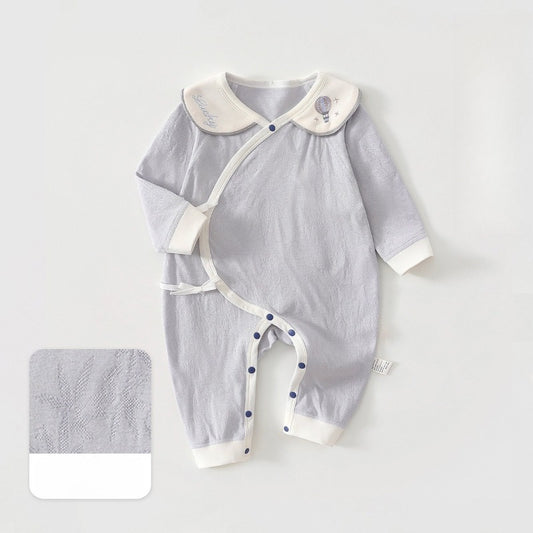
![[2-Pieces Set] 100% Cotton Long Sleeve Side-Snap Bodysuit - Pink & Pink Stripe](http://www.organiccottonclubs.com/cdn/shop/files/2_e34e329d03103a1ef2a830ed0f72d8f4.jpg?v=1759165907&width=533)
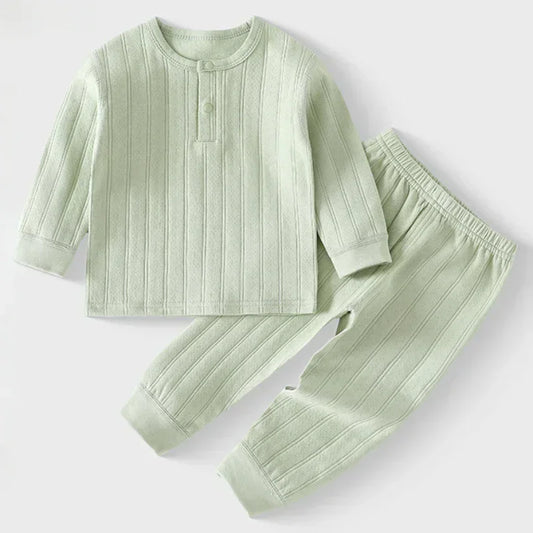
![[2-Pieces Set] 100% Cotton Long Sleeve Snapup Romper - Green & Green Stripe](http://www.organiccottonclubs.com/cdn/shop/files/4_dcde8d24f74c34bd214567f4011b27d7.jpg?v=1759166636&width=533)