


The 7 'Sleeping Rules' European Moms Swear By for Newborns
Share
Unlocking Peaceful Nights: The 7 'Sleeping Rules' European Moms Swear By for Newborns
As new parents, the quest for consistent, peaceful newborn sleep often feels like searching for a mythical creature. Amidst a sea of advice, many families turn their gaze across the Atlantic, intrigued by the calm and confident approach often attributed to European mothers. These moms, steeped in generations of wisdom, frequently share a similar philosophy that prioritizes rhythm, gentle guidance, and creating an environment of profound comfort and security. But what are their secrets?
Beyond strict schedules, European parenting often emphasizes a deep connection to natural rhythms and the baby's innate cues. It's about establishing habits that foster a sense of safety and predictability, allowing newborns to settle into sleep more naturally. And central to this comfort is the environment itself, where elements like soft, breathable, and pure organic cotton play an unsung hero role. Imagine your baby swaddled in a gentle organic cotton blanket, their delicate skin protected and regulated, feeling safe and cozy – it's a small detail that makes a significant difference in promoting deeper, undisturbed sleep.
Here are the 7 'sleeping rules' European moms often swear by, designed to help your newborn (and you!) find more restful nights:
1. Embrace the Early Bedtime Ritual
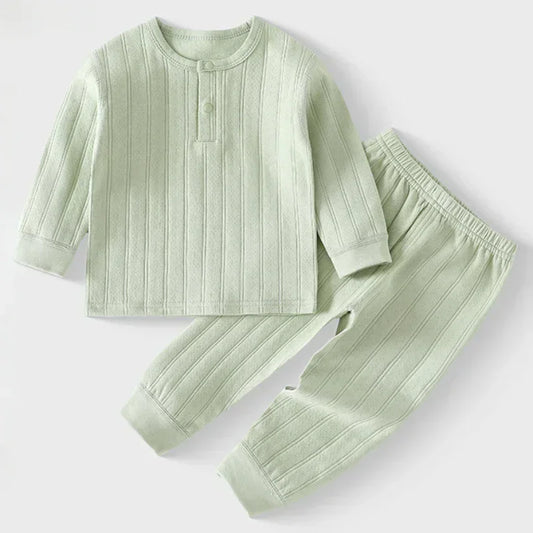
Forget late nights, even for newborns. European moms often start winding down their babies' evenings surprisingly early, often between 6:30 PM and 8:00 PM. This isn't about rigid scheduling but about respecting a baby's natural sleep window and avoiding overtiredness, which is the nemesis of good sleep. A consistent, calming bedtime ritual – a warm bath, a gentle massage, a quiet feeding, and dressing in comfortable organic cotton pajamas – signals to your baby that it's time to transition from the active day to restful night. The early start prevents the 'second wind' that can make settling down incredibly difficult.
2. Distinguish Day from Night, Clearly
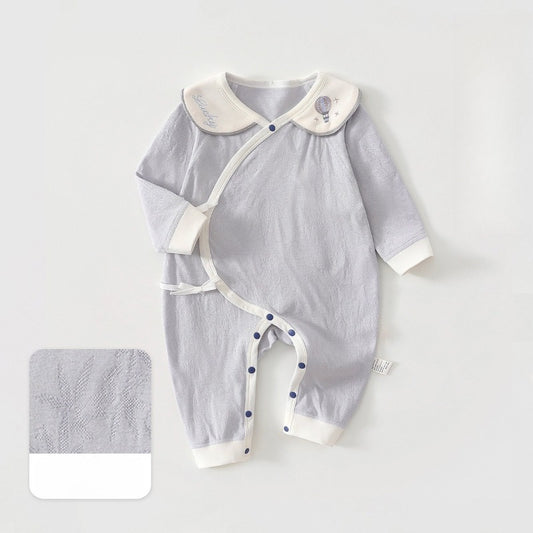
Newborns don't arrive with an internal clock. It's your gentle task to help them develop one. During the day, keep things bright and active: talk, play, open curtains, and don't be afraid of normal household noises. Naps can happen in a moderately lit room. At night, however, the transformation is complete: dim the lights, speak in hushed tones, minimize stimulation, and keep feedings quiet and quick. Using breathable organic cotton sleep sacks or swaddles at night further reinforces this distinction, offering consistent comfort unique to sleep time.
3. The Power of the Swaddle (Safely Done)
Many European cultures have long embraced swaddling as a way to recreate the secure, womb-like environment. A properly swaddled baby feels contained, which can prevent the startle reflex from waking them up. Always ensure the swaddle is snug around the arms but loose around the hips to allow for healthy hip development. And vitally, choose a breathable fabric like organic cotton for your swaddles to regulate temperature and prevent overheating, ensuring your baby is cozy but never too hot.
4. Create a Consistent 'Sleep Sanctuary'
Consistency is king when it comes to sleep. European parents often prioritize a nursery environment that is consistently dark, cool (between 68-72°F or 20-22°C), and quiet. Blackout curtains are a popular tool to block out light, and a white noise machine can mimic the sounds of the womb and mask disruptive household noises. Ensure the crib sheets are also made of organic cotton, providing a soft, chemical-free, and comfortable surface for your baby's delicate skin.
5. Understand Cues, Not Just Cries
While often associated with allowing babies to 'cry it out,' many European approaches emphasize observing and understanding a baby's pre-cry sleep cues. Fussing, yawning, rubbing eyes, or staring blankly are all signs of tiredness. Acting on these early signals, rather than waiting for full-blown crying, makes it easier for your baby to settle. It's about a calm, responsive interaction, rather than rushing in at the first peep, allowing your baby a moment to self-soothe if they're safe and comfortable in their organic cotton sleepwear.
6. The Gentle Wake-Up
Just as important as a calm bedtime is a gentle start to the day. Avoid harsh lights or loud noises to wake your baby. Instead, gradually introduce light, speak softly, and offer a warm feeding. This helps reinforce the positive association with waking and sleeping, contributing to a more regulated circadian rhythm. Consider how the feel of soft organic cotton against their skin might contribute to this gentle transition, making waking up a pleasant, rather than jarring, experience.
7. Prioritize Parental Rest and Well-being
This rule, while not directly about the baby's sleep, is perhaps the most crucial for European moms. They understand that a well-rested, less stressed parent is better equipped to create a calm environment and respond patiently to their baby's needs. Don't hesitate to ask for help, nap when the baby naps, and remember that self-care isn't selfish; it's essential for the well-being of the entire family. A calm parent fosters a calm baby, leading to more peaceful nights for everyone.
Adopting these European-inspired 'sleeping rules' isn't about strict adherence but about creating a rhythm and environment that supports your newborn's natural sleep development. By focusing on consistency, comfort—enhanced by the purity and softness of organic cotton—and understanding your baby's cues, you can pave the way for more peaceful nights and a happier, well-rested family. Sweet dreams!
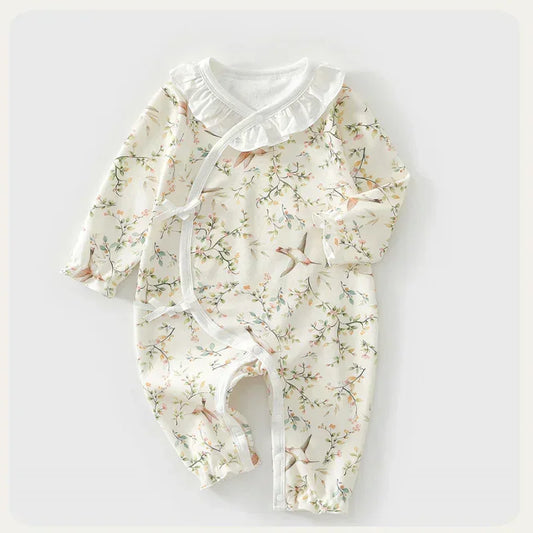
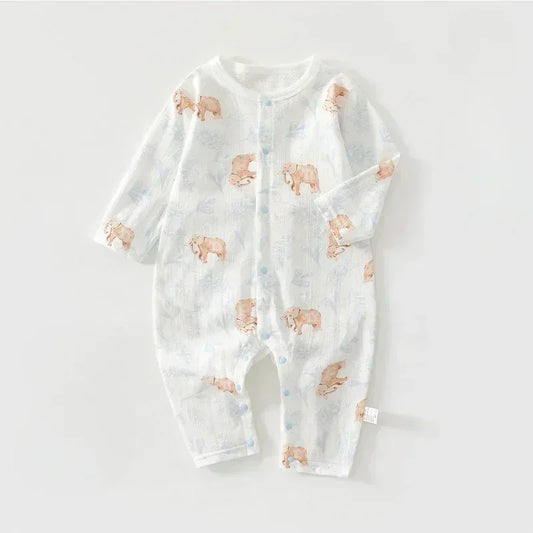

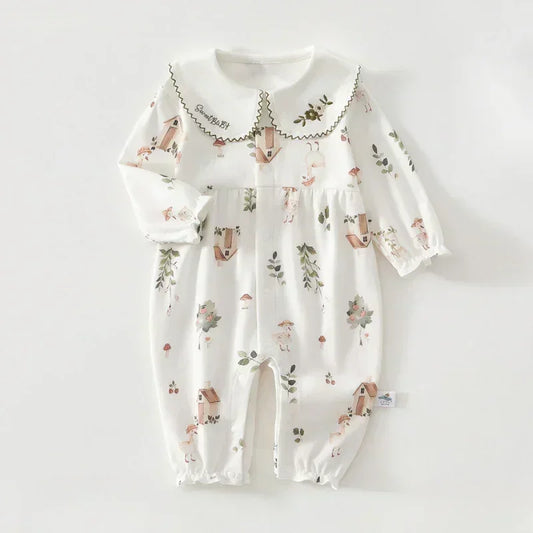
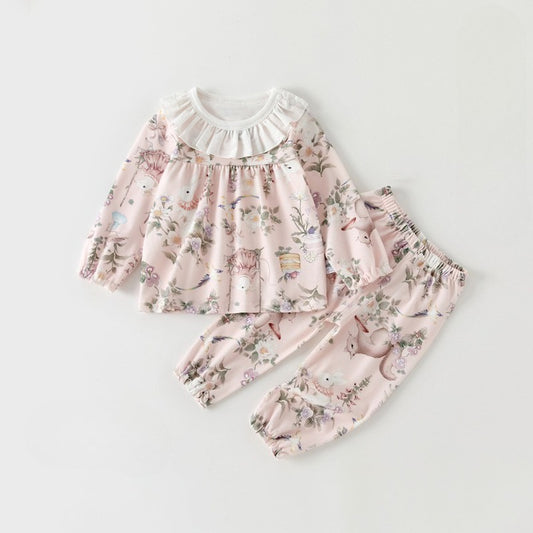
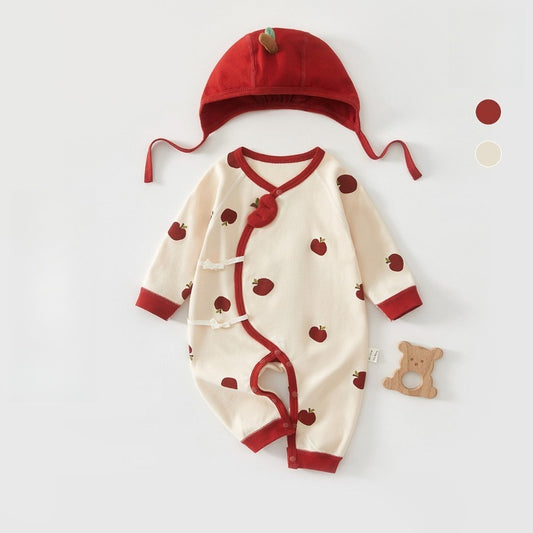
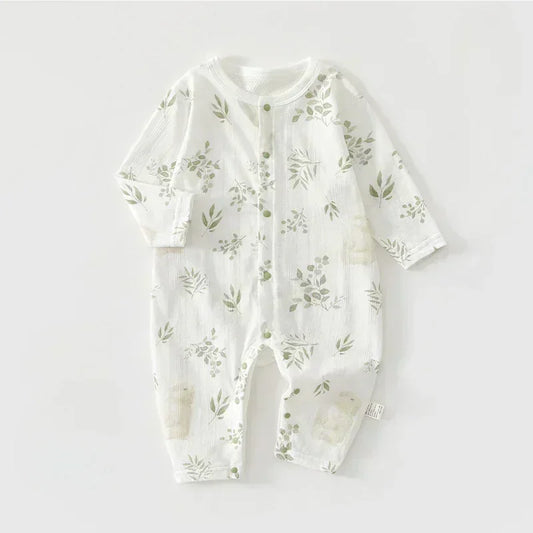
![[2-Pieces Set] 100% Cotton Long-Sleeve Kimono Romper - Blue & Blue Stripe](http://www.organiccottonclubs.com/cdn/shop/files/2_afd198b870f106588ecfc526d714b7a8.jpg?v=1764440625&width=533)

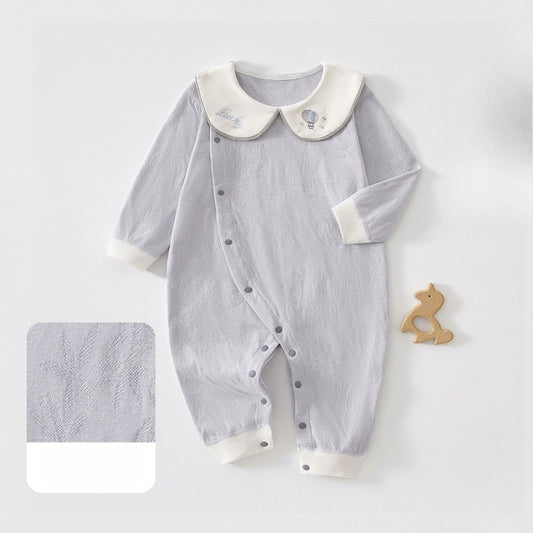

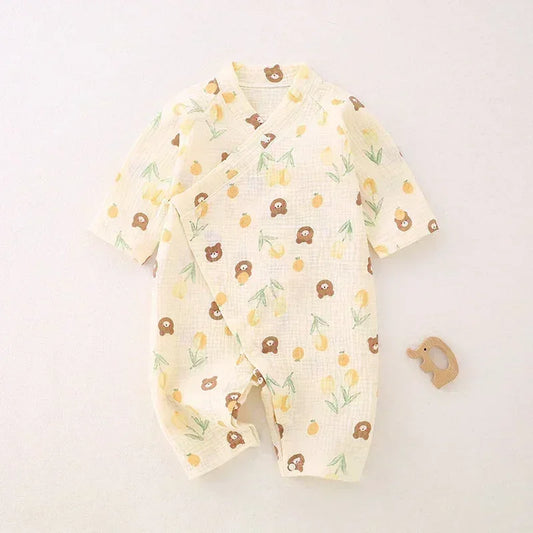
![[2-Pieces Set] 100% Cotton Long Sleeve Side-Snap Bodysuit - Pink & Pink Stripe](http://www.organiccottonclubs.com/cdn/shop/files/2_e34e329d03103a1ef2a830ed0f72d8f4.jpg?v=1759165907&width=533)
![[2-Pieces Set] 100% Cotton Long Sleeve Snapup Romper - Green & Green Stripe](http://www.organiccottonclubs.com/cdn/shop/files/4_dcde8d24f74c34bd214567f4011b27d7.jpg?v=1759166636&width=533)