


The "Arms Out" Timeline: Swaddle Transition Guide
Share
The 'Arms Out' Timeline: Navigating the Swaddle Transition with Ease
It is the middle of the night, and you are staring at the baby monitor with a mixture of awe and anxiety. Your little one, who once slept soundly wrapped in a cozy swaddle, has just performed their first intentional roll. While this is a major developmental milestone, it also signals the end of an era. The swaddle, your most trusted tool for securing a few hours of precious sleep, must now be retired for safety reasons. This transition is often met with dread by parents, fearing the return of the dreaded 3 AM wake-up calls. However, understanding the 'Arms Out' timeline can turn this daunting task into a manageable progression.
The Sleep Deprivation Struggle: Why the Transition Feels Impossible
The primary reason parents cling to the swaddle is the Moro reflex. This involuntary startle response causes infants to suddenly extend their arms and legs, often waking themselves up in the process. When you move to an arms-free sleep arrangement, that reflex is no longer suppressed. You might find your baby hitting themselves in the face, scratching their cheeks, or simply waving their arms in confusion. It is heartbreaking to watch your child struggle to settle, and the temptation to go back to the 'safe' embrace of the swaddle is immense. But when a baby can roll, the swaddle becomes a hazard, as they may not be able to push themselves back over or clear their airway if they land face-down.
The Hidden Culprit: Why Cheap Fabrics Sabotage Sleep
During this sensitive transition, comfort is everything. Many transition products on the market are made from synthetic polyester blends or treated with harsh chemicals. These 'cheap' fabrics are often the hidden reason behind a failed transition. Synthetic fibers do not breathe; they trap heat and moisture against your baby's skin. As your baby moves more during the arms-out phase, their body temperature rises. Overheating is not only a primary risk factor for SIDS, but it also causes extreme restlessness. If your baby is itchy, sweaty, or uncomfortably hot, no amount of sleep training will help them bridge the gap from swaddle to sleep sack.
The Organic Solution: The Power of Breathable Cotton
To ensure a successful transition, the quality of the fabric is your best ally. GOTS-certified organic cotton is the gold standard for infant sleepwear for several reasons. Unlike synthetic materials, organic cotton is naturally thermoregulating, meaning it helps pull moisture away from the skin and allows air to circulate freely. This keeps your baby at an optimal temperature throughout the night.
- Unmatched Softness: Organic cotton fibers are longer and smoother, reducing the risk of skin irritation that can wake a light sleeper.
- Pure and Safe: No toxic dyes or flame retardants, ensuring that as your baby inevitably sucks on their sleeve, they aren't ingesting harmful chemicals.
- Natural Elasticity: High-quality organic knits provide a gentle 'give' that mimics the snugness of a swaddle while allowing for a full range of motion.
The Step-by-Step 'Arms Out' Timeline
Success lies in a gradual approach. Instead of 'cold turkey,' try this evidence-based timeline to help your baby adjust:
- Days 1-3: The One-Arm Lead. Start by swaddling your baby with one arm out and one arm in. This allows them to experience the sensation of a free limb while still feeling the security of the swaddle around their core. If they wake up, they have one hand available for self-soothing.
- Days 4-6: The Alternate Switch. Switch which arm is free. This helps the baby’s brain process movement on both sides of the body and prevents them from becoming dependent on a single 'dominant' side for sleep comfort.
- Days 7 and Beyond: The Full Transition. Move fully into an organic cotton sleep sack. These 'wearable blankets' provide the weight and warmth of a swaddle but allow for total freedom of the arms and hips, ensuring healthy joint development and safety during rolls.
Final Thoughts
The 'Arms Out' timeline is not just about safety; it is about supporting your baby's growing independence. While the first few nights may be rocky, staying consistent and choosing high-quality, organic materials will provide the sensory comfort your baby needs to feel secure. Remember, this phase is temporary, and soon your little one will be sleeping peacefully, arms wide open to the world. Invest in their comfort today, and you will reap the rewards of better sleep for the whole family.
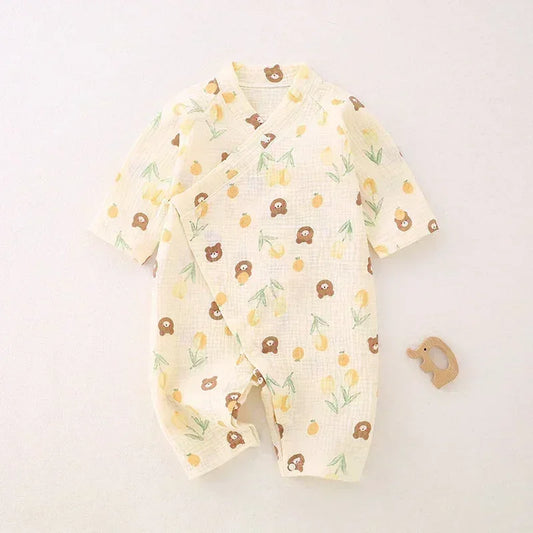
![[2-Pieces Set] 100% Cotton Long-Sleeve Kimono Romper - Blue & Blue Stripe](http://www.organiccottonclubs.com/cdn/shop/files/2_afd198b870f106588ecfc526d714b7a8.jpg?v=1764440625&width=533)


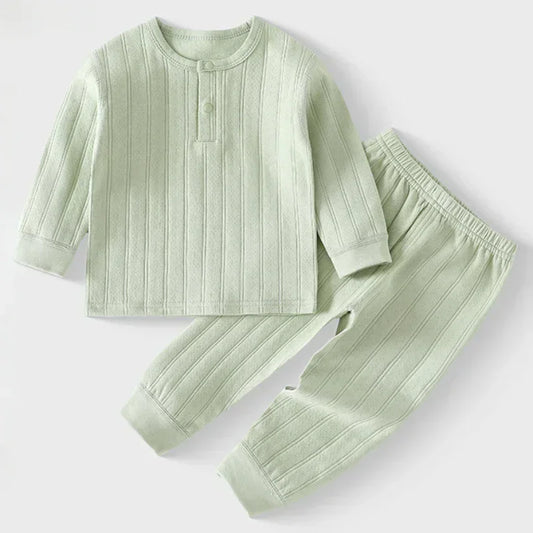
![[2-Pieces Set] 100% Cotton Long Sleeve Side-Snap Bodysuit - Pink & Pink Stripe](http://www.organiccottonclubs.com/cdn/shop/files/2_e34e329d03103a1ef2a830ed0f72d8f4.jpg?v=1759165907&width=533)
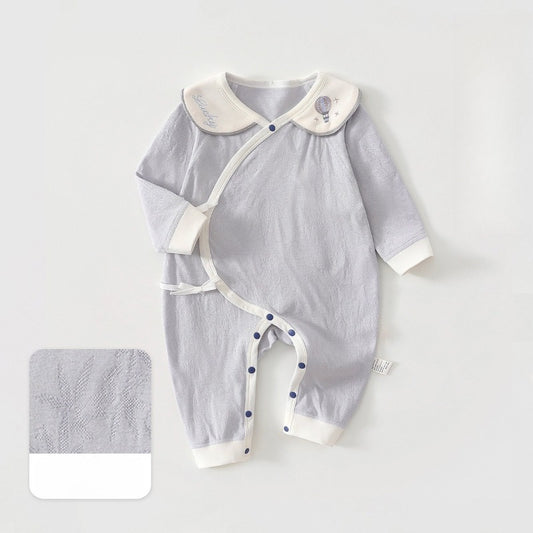
![[2-Pieces Set] 100% Cotton Long Sleeve Snapup Romper - Green & Green Stripe](http://www.organiccottonclubs.com/cdn/shop/files/4_dcde8d24f74c34bd214567f4011b27d7.jpg?v=1759166636&width=533)