


The "First Year" Budget Breakdown: The Real Cost of Raising a Baby (With Spreadsheet).
Share
The 'First Year' Budget Breakdown: How to Navigate the Real Cost of Raising a Baby
Preparing for your first child is an emotional whirlwind, but for many parents, the joy is often clouded by a looming shadow: the financial unknown. The 'sticker shock' of a newborn's first year is a common parenting struggle. Without a plan, the constant flow of Amazon boxes and late-night pharmacy runs can turn a joyous season into a source of intense financial stress.
The Hidden Stress of 'Cheap' Parenting
In an attempt to save money, many new parents fall into the trap of buying bulk packs of low-quality, synthetic baby clothing. However, this agitation often leads to more spending. Why? Because cheap, chemically-treated fabrics can cause skin irritation, rashes, and discomfort for your baby. When your little one is fussy due to itchy skin or low-breathability fabrics, you end up spending more on soothing creams and replacement clothes. Cheap fabrics wear out after three washes, forcing you back into the cycle of consumption.
The Solution: Budgeting for Quality and Longevity
The secret to a manageable first-year budget isn't just cutting costs—it's strategic allocation. By using a detailed spreadsheet, you can see where every dollar goes. One of the best ways to optimize your budget is by investing in high-quality organic cotton essentials. While the upfront cost may be slightly higher, the long-term benefits are undeniable.
- Durability: Organic cotton fibers are stronger and last through dozens of washes, making them perfect for hand-me-downs or resale.
- Health Savings: Hypoallergenic fabrics mean fewer skin issues and less money spent on specialized dermatological products.
- Thermoregulation: Better breathability means a more comfortable baby, which often leads to better sleep for everyone.
- Environmental Impact: Fewer replacements mean less waste in the landfill, aligning your budget with your values.
Breaking Down the Spreadsheet: What to Expect
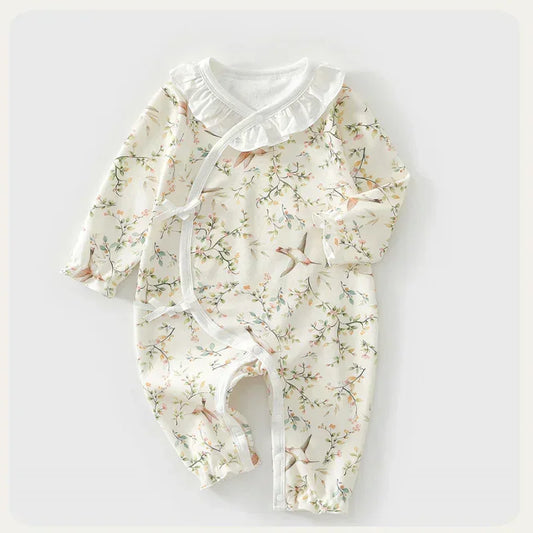
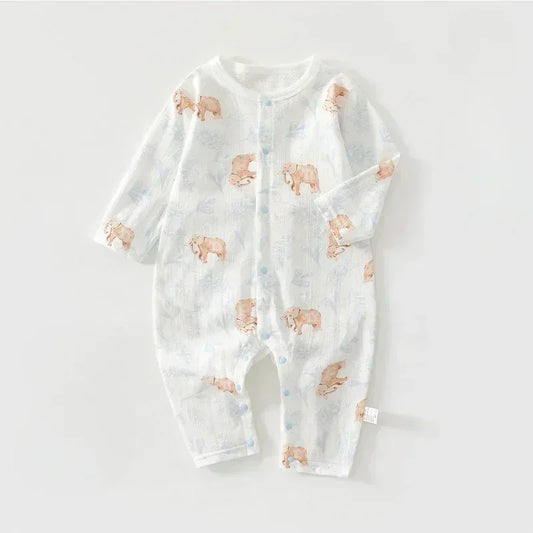
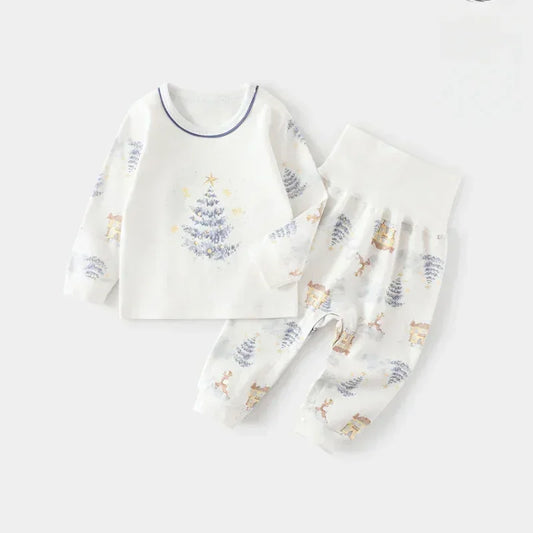
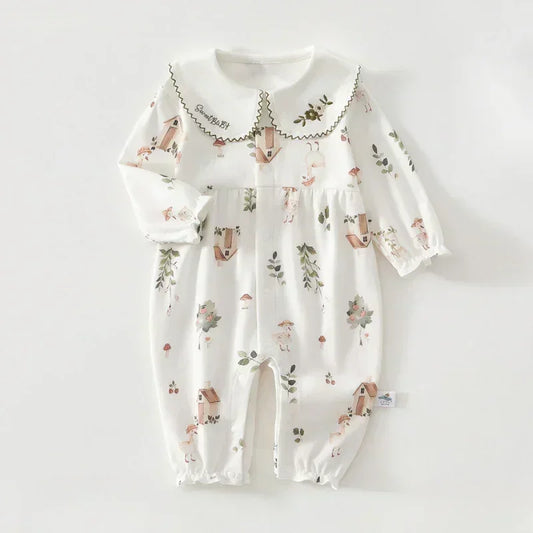
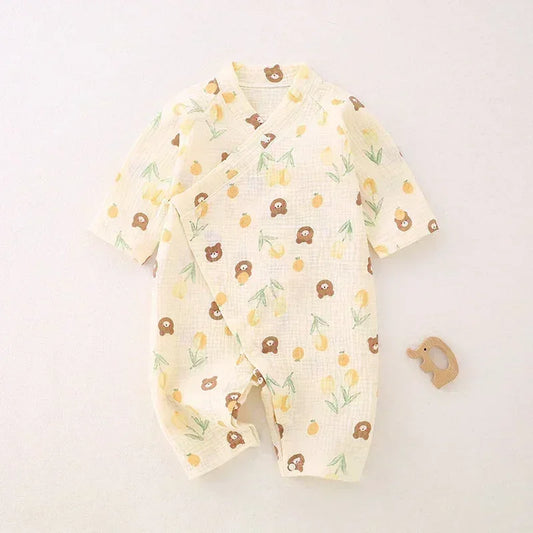
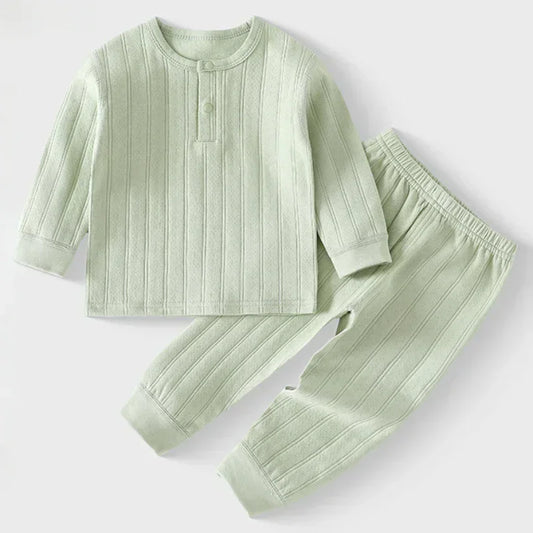
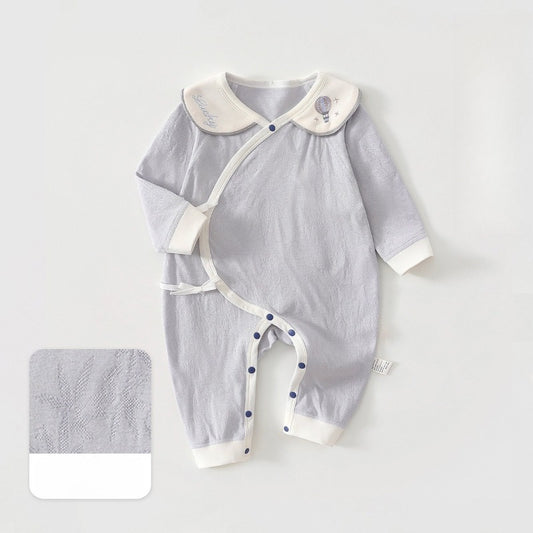
A realistic budget includes several core categories: Gear (strollers/car seats), Nursery (furniture), Health (insurance/copays), and Consumables (diapers/wipes). By prioritizing organic cotton for anything that touches your baby's skin—such as onesies, swaddles, and crib sheets—you are building a 'quality-first' wardrobe that survives the rigors of the first year.
Final Thoughts
Managing the real cost of a baby requires a balance between a structured spreadsheet and mindful purchasing. Don't let the fear of expenses steal the magic of your baby's first milestones. By choosing quality over quantity and planning your expenses ahead of time, you can create a safe, comfortable, and financially stable environment for your growing family.
![[2-Pieces Set] 100% Cotton Long-Sleeve Kimono Romper - Blue & Blue Stripe](http://www.organiccottonclubs.com/cdn/shop/files/2_afd198b870f106588ecfc526d714b7a8.jpg?v=1764440625&width=533)


![[2-Pieces Set] 100% Cotton Long Sleeve Side-Snap Bodysuit - Pink & Pink Stripe](http://www.organiccottonclubs.com/cdn/shop/files/2_e34e329d03103a1ef2a830ed0f72d8f4.jpg?v=1759165907&width=533)
![[2-Pieces Set] 100% Cotton Long Sleeve Snapup Romper - Green & Green Stripe](http://www.organiccottonclubs.com/cdn/shop/files/4_dcde8d24f74c34bd214567f4011b27d7.jpg?v=1759166636&width=533)