

The "First Year" Cheat Sheet: Every Milestone You Shouldn't Miss (Physical & Cognitive).
Share
The First Year Cheat Sheet: Every Milestone You Should Not Miss (Physical & Cognitive)
The first 365 days of your baby's life are a whirlwind of growth, sleepless nights, and awe-inspiring transformations. As a new parent, it is easy to feel overwhelmed by the sheer volume of information available. You are constantly questioning: Is my baby developing on track? Why are they fussy today? Is this a milestone or just a phase? This 'milestone anxiety' is a common struggle, often compounded by the feeling that you are missing something vital in the rush of daily care.
The Hidden Stressor: Why Your Baby's Environment Impacts Development
While we focus on 'tummy time' and 'object permanence,' many parents overlook a critical factor in developmental success: physical comfort. When a baby is dressed in cheap, synthetic fabrics treated with harsh chemicals, their delicate skin—which is 30% thinner than an adult's—is in a constant state of low-level irritation. This agitation causes restlessness, shorter sleep cycles, and unnecessary fussiness. If a baby is physically uncomfortable, they are less likely to focus on the cognitive and motor challenges required to hit their next milestone.
The Organic Solution: Creating a Sensory-Safe Foundation
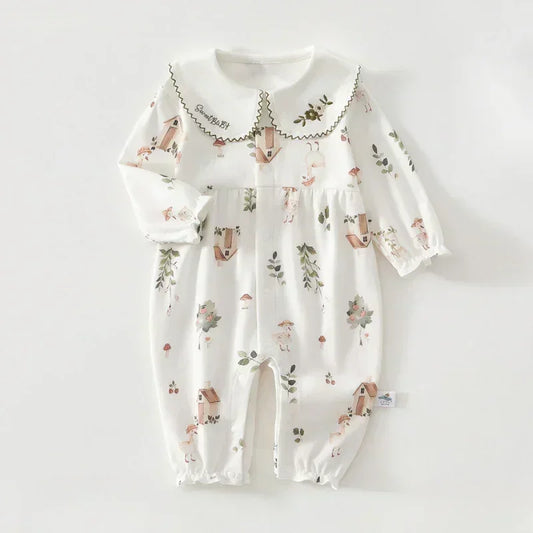
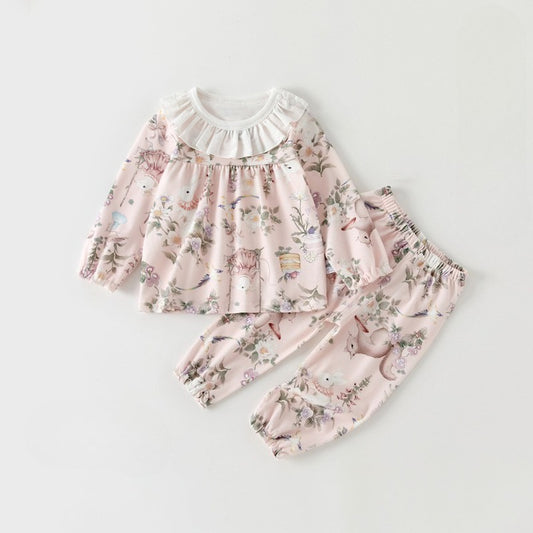
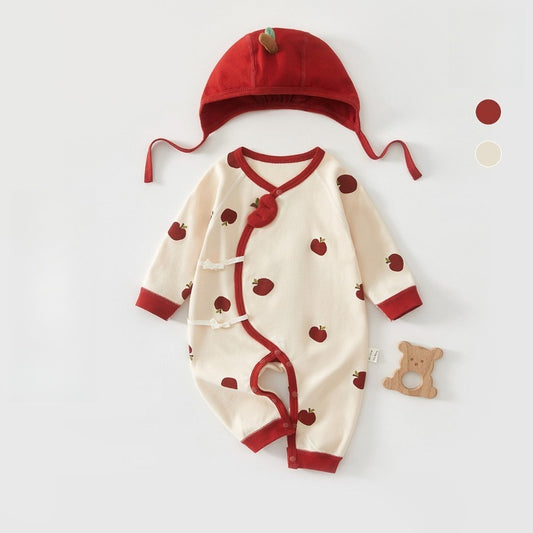
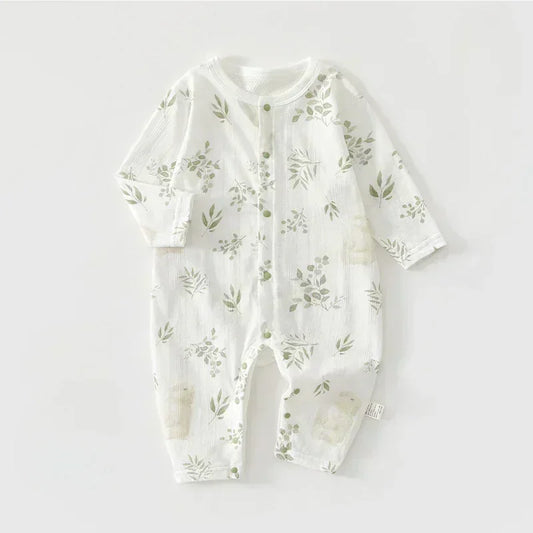
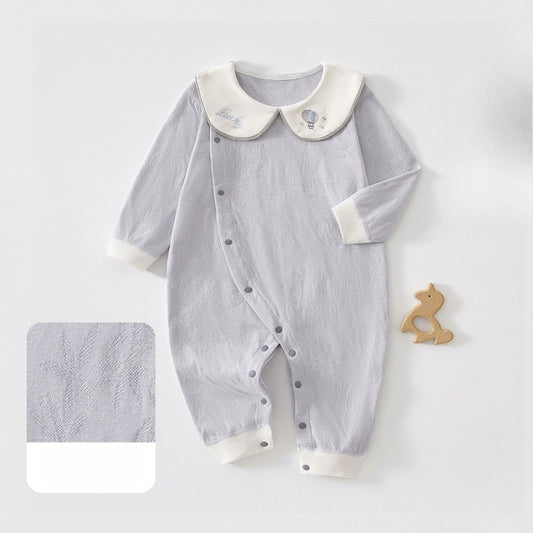
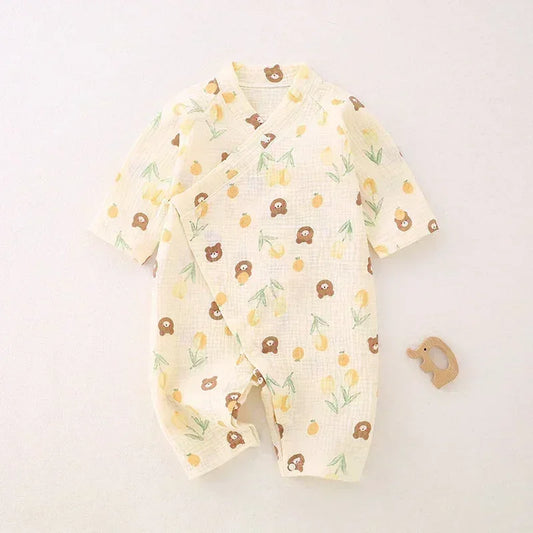
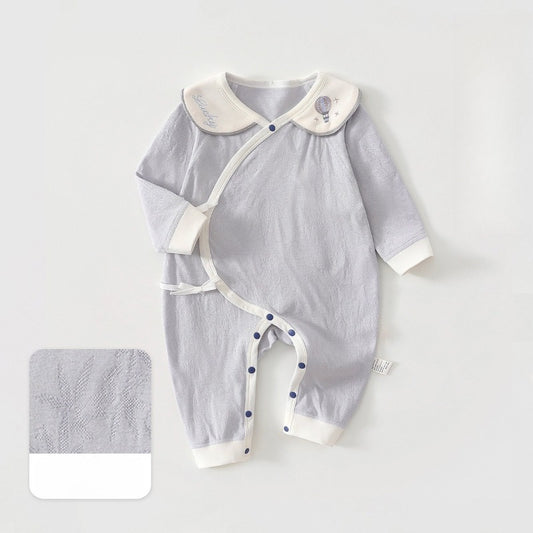
Transitioning to GOTS-certified organic cotton is not just a lifestyle choice; it is a developmental strategy. Organic cotton provides a breathable, hypoallergenic, and toxin-free environment that allows your baby’s nervous system to focus on what matters most: learning. By eliminating the 'background noise' of itchy seams and heat-trapping polyester, you provide the physical freedom necessary for rolling, crawling, and eventually, that first momentous step. Comfort is the foundation of confidence.
Months 0-3: The Sensory Awakening
During the first quarter, development is centered on sensory input and neck strength.
- Physical: Lifting head during tummy time, brief periods of holding the head steady, and unclenching fists.
- Cognitive: Recognizing the primary caregiver's voice, following moving objects with eyes (tracking), and beginning to smile socially by week 6-8.
Months 4-6: The Discovery Phase
This is when your baby begins to realize they can influence the world around them.
- Physical: Rolling from tummy to back (and eventually back to tummy), pushing up on straight arms, and reaching for toys with both hands.
- Cognitive: Responding to their own name, making 'razzberry' sounds, and showing curiosity about items out of reach.
Months 7-9: The Mobility Milestone
Coordination takes center stage as your baby prepares for true independence.
- Physical: Sitting without support, beginning to 'army crawl' or scoot, and the development of the 'pincer grasp' (using thumb and forefinger).
- Cognitive: Understanding 'No,' looking for objects they saw you hide (object permanence), and imitating sounds made by others.
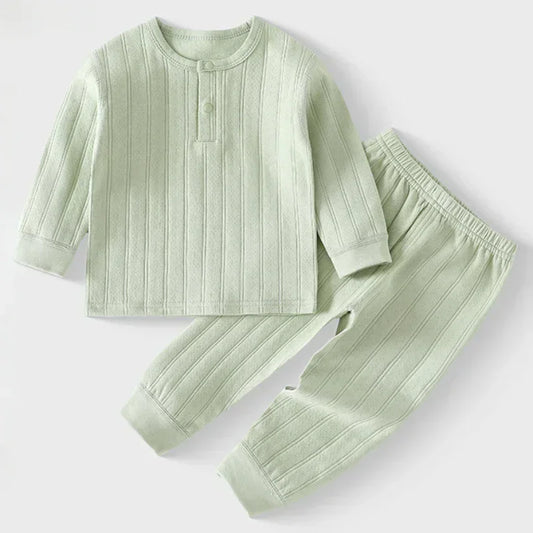
- Tip: Ensure your baby is in flexible, organic leggings that allow for a full range of motion during these crucial motor developments.
Months 10-12: The Communication Breakthrough
The final stretch of the first year is marked by significant cognitive leaps and the transition to upright movement.
- Physical: Pulling up to a standing position, 'cruising' along furniture, and potentially taking those first independent steps.
- Cognitive: Using simple gestures like waving 'bye-bye,' saying 'Mama' or 'Dada' specifically, and following simple one-step directions.
Final Thoughts: Every Child Is Unique
While this cheat sheet provides a roadmap, remember that development is not a race. Some babies focus on motor skills first, while others prioritize speech. The best thing you can do as a parent is to provide a nurturing, comfortable environment that encourages exploration. By choosing high-quality, organic materials and staying attuned to these milestones, you are giving your child the best possible start to their lifelong journey of learning.
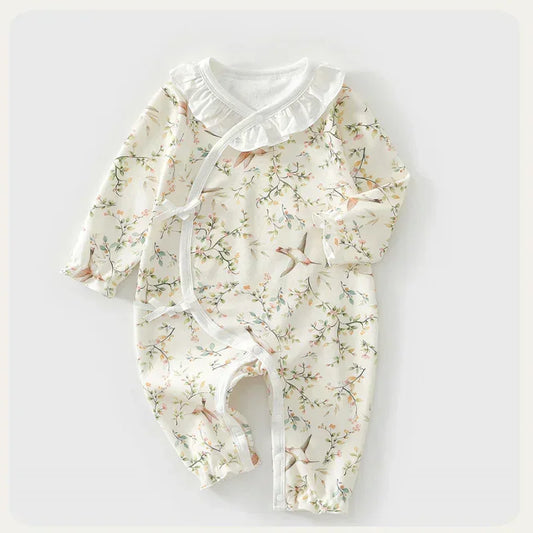
![[2-Pieces Set] 100% Cotton Long-Sleeve Kimono Romper - Blue & Blue Stripe](http://www.organiccottonclubs.com/cdn/shop/files/2_afd198b870f106588ecfc526d714b7a8.jpg?v=1764440625&width=533)


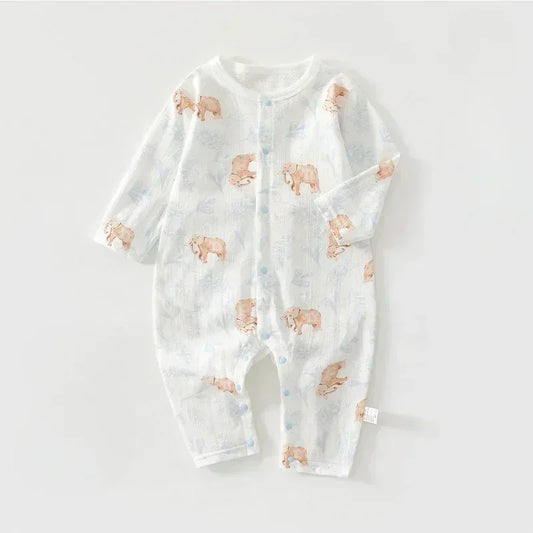
![[2-Pieces Set] 100% Cotton Long Sleeve Side-Snap Bodysuit - Pink & Pink Stripe](http://www.organiccottonclubs.com/cdn/shop/files/2_e34e329d03103a1ef2a830ed0f72d8f4.jpg?v=1759165907&width=533)
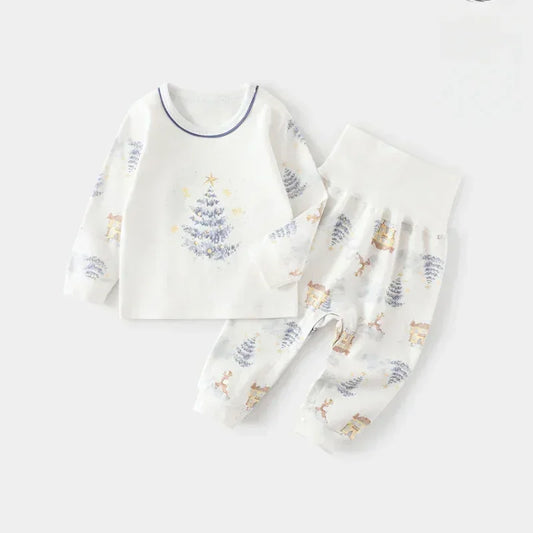
![[2-Pieces Set] 100% Cotton Long Sleeve Snapup Romper - Green & Green Stripe](http://www.organiccottonclubs.com/cdn/shop/files/4_dcde8d24f74c34bd214567f4011b27d7.jpg?v=1759166636&width=533)