


The "Inside Out" Test: Why I Throw Away Clothes With Seams.
Share
The Hidden Struggle of Sensitive Baby Skin
As a parent, you spend hours researching the best car seats, the safest cribs, and the healthiest starting foods. But there is one invisible culprit causing your baby discomfort that often goes unnoticed until you see the physical evidence: red marks, chafing, and unexplained fussiness. We have all been there—dressing our little ones in the cutest outfits only to find them pulling at their clothes or developing dry, irritated patches by noon. The problem is not just the fabric; it is how the garment is constructed. Most mass-produced baby clothes prioritize speed of manufacturing over the delicate nature of newborn skin.
The Agitation: Why Cheap Materials and Rough Seams Hurt
Take a close look at a standard baby onesie. Turn it inside out. What do you see? Often, it is a mess of thick, plastic-like polyester threads and bulky overlock seams that protrude significantly from the fabric. To a baby with thin, permeable skin, these seams act like tiny saws, constantly rubbing against their torso and limbs as they move. When you combine these rough textures with synthetic dyes and chemical finishes used to make cheap cotton look shiny, you have a recipe for skin barrier disruption. This leads to the agitation phase: increased eczema flare-ups, heat rashes, and a baby who just cannot get comfortable.
Introducing the Inside Out Test
The 'Inside Out' Test is a simple, non-negotiable rule I adopted to protect my children's skin. Before any piece of clothing makes it into the nursery drawer, I flip it inside out and run my fingertips along every single seam. If I feel any scratchiness, any hard plastic thread, or any bulky ridges, it goes straight to the donate or 'throw away' pile. Here is what I look for instead:
- Flat-Lock Seams: These are seams that lay completely flat against the skin, eliminating the ridge that causes chafing.
- Organic Cotton: Unlike conventional cotton, organic cotton is grown without pesticides and processed without harsh bleaches, making it significantly softer and more breathable.
- Water-Based Dyes: These ensure that no heavy metals or toxic chemicals are leaching into your baby's bloodstream.
- Tagless Designs: Because even a small paper or nylon tag can be a major source of sensory irritation.
The Solution: Why Organic Cotton Benefits Everyone
Switching to high-quality organic cotton with thoughtful construction is more than just a luxury—it is a preventative health measure for your baby's skin. Organic fibers are longer and smoother, meaning they do not pill or become scratchy after three washes. When you invest in garments designed with the 'Inside Out' philosophy, you are choosing clothes that support temperature regulation and reduce the risk of allergic reactions. Your baby sleeps better, plays longer, and stays comfortable throughout the day.
Final Thoughts on Mindful Parenting
We often focus on what we put 'on' our babies in terms of lotions and creams, but the 'Inside Out' test reminds us that what they wear for 24 hours a day matters just as much. By prioritizing soft, seamless, and organic materials, you are creating a soothing environment for your child to grow. It is time to stop settling for clothes that look good on the hanger but feel terrible on the skin. Your baby deserves the softness of organic care, from the inside out.
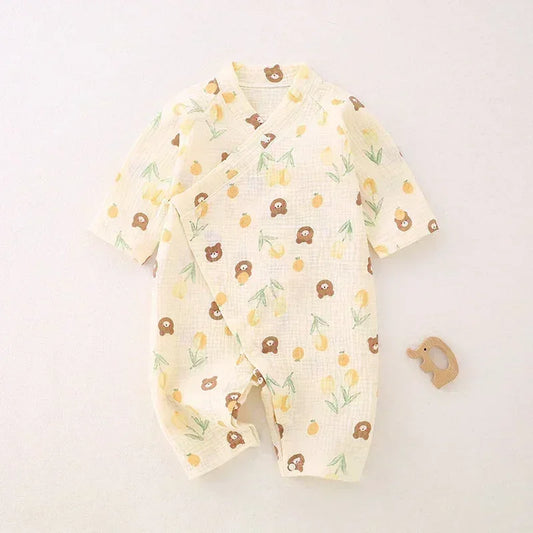
![[2-Pieces Set] 100% Cotton Long-Sleeve Kimono Romper - Blue & Blue Stripe](http://www.organiccottonclubs.com/cdn/shop/files/2_afd198b870f106588ecfc526d714b7a8.jpg?v=1764440625&width=533)


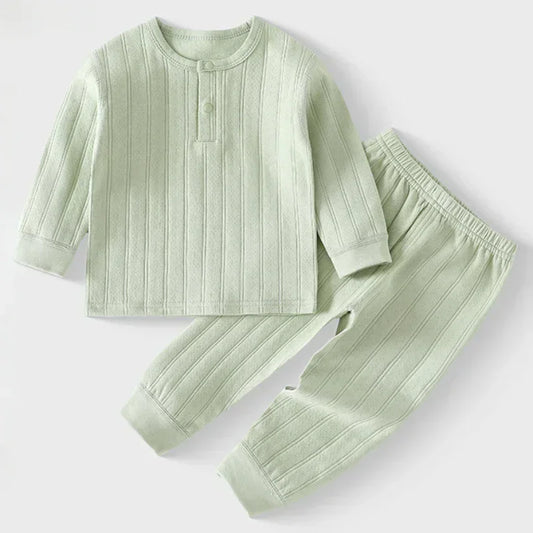
![[2-Pieces Set] 100% Cotton Long Sleeve Side-Snap Bodysuit - Pink & Pink Stripe](http://www.organiccottonclubs.com/cdn/shop/files/2_e34e329d03103a1ef2a830ed0f72d8f4.jpg?v=1759165907&width=533)
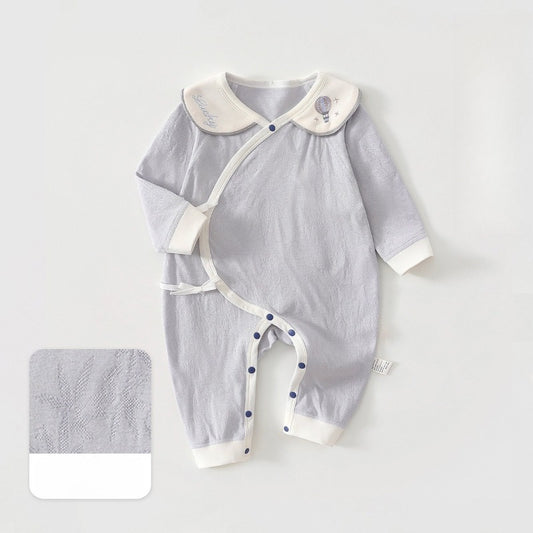
![[2-Pieces Set] 100% Cotton Long Sleeve Snapup Romper - Green & Green Stripe](http://www.organiccottonclubs.com/cdn/shop/files/4_dcde8d24f74c34bd214567f4011b27d7.jpg?v=1759166636&width=533)