


The Invisible Nursery Danger Most Parents Overlook Until It's Too Late
Share
The Invisible Nursery Danger Most Parents Overlook Until It's Too Late
As expectant and new parents, we meticulously prepare for our little one's arrival. We paint the nursery, assemble the crib, and lovingly fold tiny clothes. We choose the safest car seats, research baby monitors, and childproof every sharp corner. Our focus is squarely on visible threats, yet an invisible danger often lurks in the very heart of the nursery, one that most parents unknowingly welcome into their homes.
The Silent Threat: VOCs and Chemical Exposure
The 'new baby smell' isn't always benign. That fresh scent from new furniture, paint, carpets, or even certain baby products can be a cocktail of Volatile Organic Compounds (VOCs). VOCs are gases emitted from certain solids or liquids and can include formaldehyde, benzene, and phthalates. These chemicals can off-gas for months or even years, contaminating the air your baby breathes.
Newborns and infants are particularly vulnerable to these airborne toxins. Their respiratory systems are still developing, they breathe more rapidly than adults, and their detoxification systems are immature. Exposure to VOCs has been linked to a range of health issues, including respiratory problems, allergies, skin irritation, and even developmental concerns. Flame retardants, often found in crib mattresses, nursery furniture, and even some baby clothing, pose another significant risk. While intended for safety, many of these chemicals have been linked to endocrine disruption, developmental delays, and cancer.
Beyond the Air: Hidden Dangers in Fabrics and Finishes
It's not just the air; what your baby touches and wears also matters. Conventional cotton, for instance, is one of the most heavily sprayed crops globally, doused in pesticides and insecticides. Residues of these chemicals can remain in the finished fabric, coming into direct contact with your baby's delicate skin, which is far more permeable than adult skin. Dyes, bleaches, and other processing chemicals used in manufacturing can also be irritants and potential endocrine disruptors.
Consider also the materials used in crib mattresses, bedding, and even your baby's favorite plush toys. Many contain synthetic materials, PVC, or foam treated with the aforementioned flame retardants. While some regulations are improving, a vigilant approach is still necessary to ensure your baby's environment is truly safe.
The Organic Cotton Advantage: A Breath of Fresh Air
One of the most impactful choices you can make to mitigate these invisible dangers is to embrace organic cotton. But why is organic cotton such a game-changer for your nursery?
- Pesticide-Free Purity: Organic cotton is grown without the use of harmful synthetic pesticides, herbicides, or GMOs. This means no chemical residues are introduced during the farming process, resulting in a cleaner, purer fiber.
- Chemical-Free Processing: From harvesting to weaving and dyeing, organic cotton products adhere to strict guidelines. They avoid chlorine bleaches, heavy metals, and toxic dyes, often opting for low-impact, water-based dyes or natural pigments.
- Superior Breathability: Organic cotton fabric is naturally soft, breathable, and hypoallergenic. This helps regulate your baby's body temperature, reducing the risk of overheating and promoting safer sleep. Its natural fibers allow air to circulate freely.
- Gentle on Sensitive Skin: For babies with eczema, allergies, or generally sensitive skin, organic cotton is a godsend. Its natural purity minimizes exposure to irritants that can cause rashes or discomfort.
- Durability and Sustainability: Organic cotton fibers are often stronger and more durable due to less chemical processing. This means your organic baby clothes and bedding will stand up better to repeated washes, lasting longer and offering better value. Choosing organic also supports sustainable farming practices that protect our planet for future generations.
Practical Steps to Create a Toxin-Free Nursery Haven
Transitioning to an organic and non-toxic nursery doesn't have to be overwhelming. Here are practical steps you can take:
1. Prioritize Key Items:
- Crib Mattress: This is where your baby spends a significant portion of their early life. Invest in an organic crib mattress made from natural latex, organic cotton, or wool, free from flame retardants and VOCs.
- Crib Bedding: Choose organic cotton sheets and mattress protectors. Ensure they fit snugly to prevent suffocation hazards.
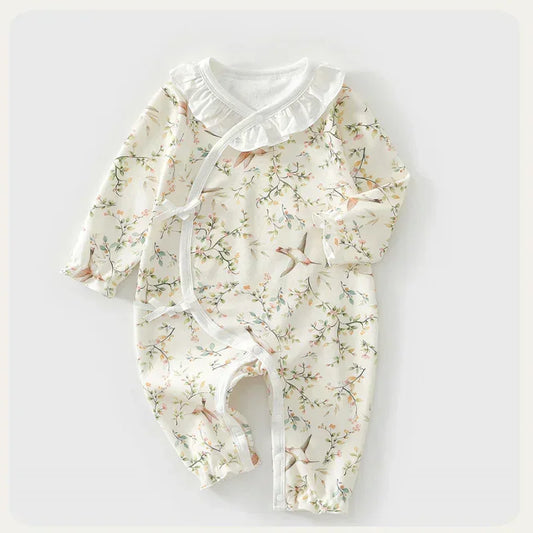
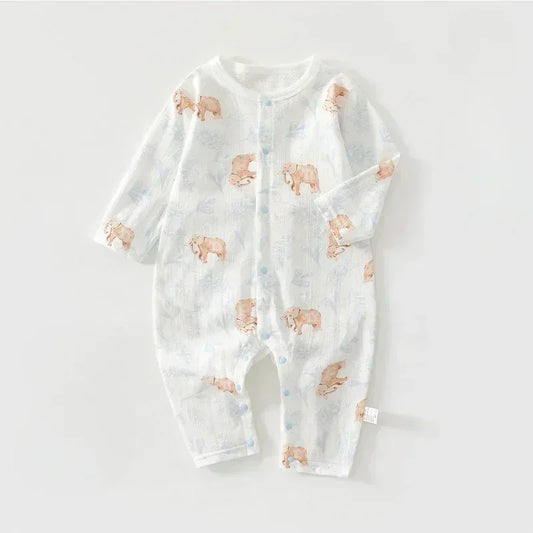
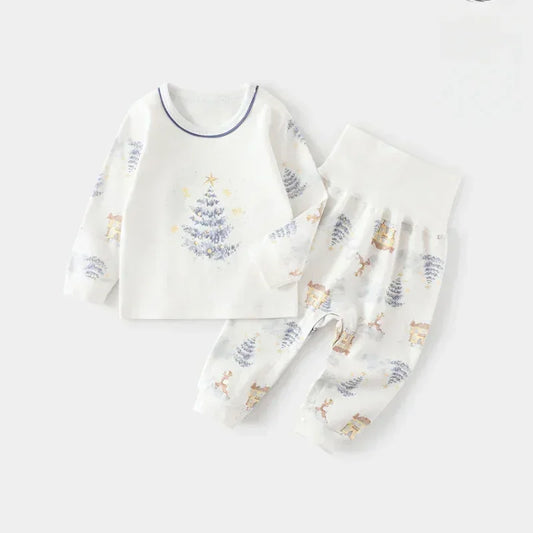
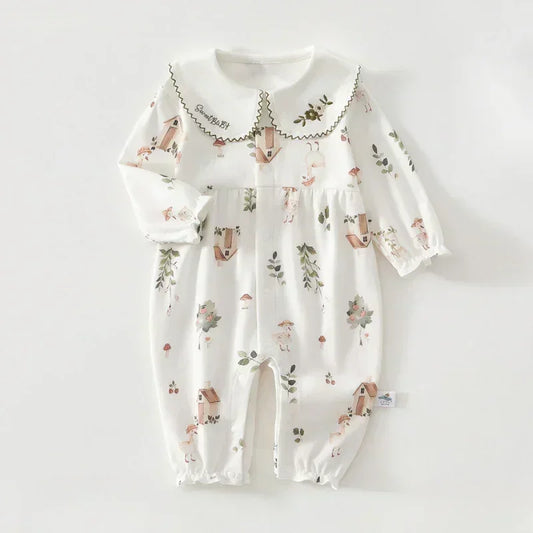
- Sleepwear: Opt for organic cotton sleep sacks and pajamas that come into direct contact with your baby's skin for extended periods.
2. Ventilate Thoroughly:
- Off-Gas New Items: Before placing new furniture, mattresses, or carpets in the nursery, unbox them in a well-ventilated area (like a garage or spare room) for several days or weeks to allow VOCs to dissipate.
- Regular Airflow: Open windows daily, even for short periods, to ensure fresh air circulation. Consider an air purifier with a HEPA filter for added air quality improvement.
3. Choose Wisely:
- Low-VOC Paint: Use zero-VOC or low-VOC paints for nursery walls.
- Solid Wood Furniture: Select furniture made from solid wood with non-toxic finishes, avoiding pressed wood products that often contain formaldehyde.
- Natural Cleaning Products: Use natural, unscented cleaning products in the nursery and throughout your home to avoid adding more chemicals to the air.
- Wash Everything: Always wash all new baby clothes and bedding before use with a gentle, unscented, organic detergent.
A Safe, Serene Start
Creating a truly safe nursery goes beyond visible safety measures. By being mindful of the invisible dangers of chemical exposure and making informed choices, especially regarding organic cotton and non-toxic materials, you're not just decorating a room; you're building a foundation for your baby's health and well-being. Give your little one the purest start possible, surrounded by love and a truly healthy environment.
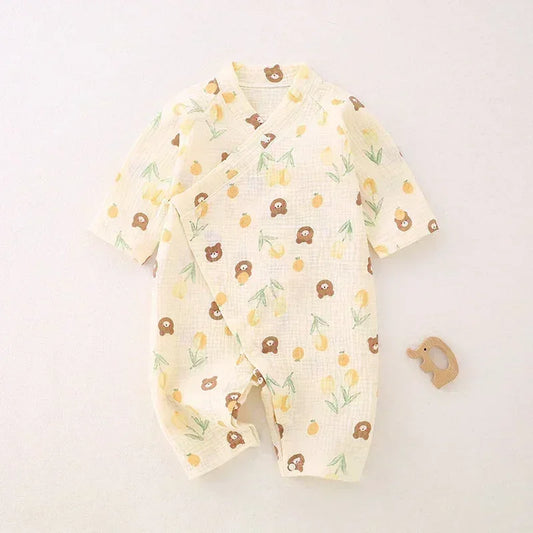
![[2-Pieces Set] 100% Cotton Long-Sleeve Kimono Romper - Blue & Blue Stripe](http://www.organiccottonclubs.com/cdn/shop/files/2_afd198b870f106588ecfc526d714b7a8.jpg?v=1764440625&width=533)


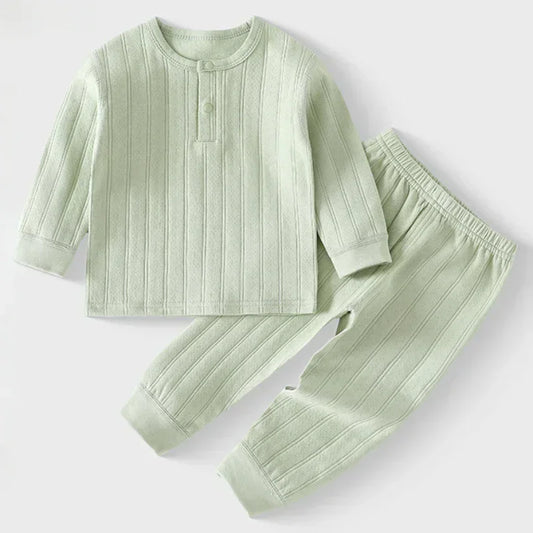
![[2-Pieces Set] 100% Cotton Long Sleeve Side-Snap Bodysuit - Pink & Pink Stripe](http://www.organiccottonclubs.com/cdn/shop/files/2_e34e329d03103a1ef2a830ed0f72d8f4.jpg?v=1759165907&width=533)
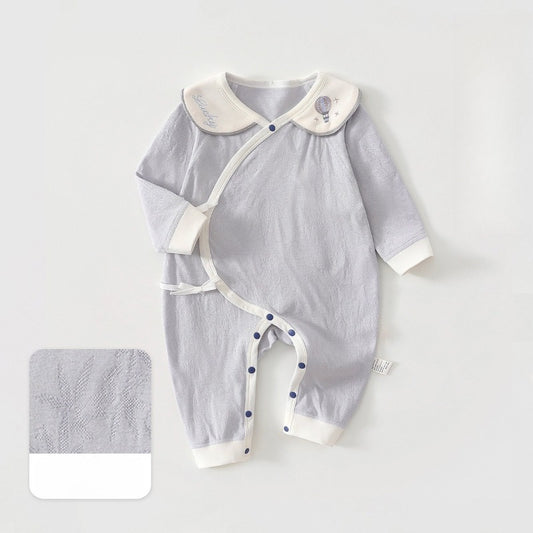
![[2-Pieces Set] 100% Cotton Long Sleeve Snapup Romper - Green & Green Stripe](http://www.organiccottonclubs.com/cdn/shop/files/4_dcde8d24f74c34bd214567f4011b27d7.jpg?v=1759166636&width=533)