


The Magic of "Awake Windows": A Cheat Sheet for 0-12 Months Sleep.
Share
Mastering the Magic of Awake Windows: Your 0-12 Month Cheat Sheet
There is a specific, almost mystical point in every baby's day. It is the moment between being perfectly content and becoming an inconsolable whirlwind of tears. In the parenting world, we call this the 'Sleep Window.' Missing it by even ten minutes can mean the difference between a peaceful afternoon and a two-hour battle against an overtired infant. Understanding 'Awake Windows' is the single most effective tool in a parent's arsenal for achieving the elusive full night's sleep.
The Problem: The Exhausting Cycle of the Overtired Baby
Every parent has been there: you see a yawn, you head to the nursery, and suddenly, your baby has the energy of a marathon runner. You missed the window. When a baby stays awake too long, their body enters 'fight or flight' mode, producing cortisol and adrenaline. This chemical surge makes it nearly impossible for their brain to settle into a sleep cycle. The result? Frequent night wakings, short 'crap naps,' and a baby who is constantly fussy because they are perpetually exhausted.
The Agitation: Why Your Nursery Setup Might Be Failing You
It is not just about the timing; it is about the environment. Many parents find their babies waking up prematurely even when the awake window was calculated perfectly. Often, the culprit is hidden in the crib. Cheap, synthetic fabrics like polyester and nylon are common in big-box baby clothes, but they are a nightmare for sleep. These materials trap heat and moisture, causing 'micro-awakenings' because an infant's body cannot yet regulate its own temperature. Imagine trying to sleep in a plastic bag—that is the discomfort your baby feels when synthetic fabrics rub against their sensitive skin during a crucial sleep cycle.
Awake Windows by Age: A Quick Reference Guide
Use these guidelines to anticipate your baby's needs before they hit the point of no return. Remember, every baby is unique, but these ranges are the gold standard for infant physiology:
- 0-8 Weeks: 45 - 60 minutes. Newborns can barely stay awake for a diaper change and a feed.
- 2-4 Months: 1.5 - 2 hours. This is the transition period where 'sleep cues' like red eyebrows become visible.
- 4-6 Months: 2 - 2.5 hours. The 4-month sleep regression often requires tighter adherence to these windows.
- 6-9 Months: 2.5 - 3 hours. Most babies transition to two steady naps during this phase.
- 9-12 Months: 3 - 4 hours. The morning window is usually the shortest, while the afternoon window stretches before bedtime.
The Solution: The Power of Organic Cotton and Proper Timing
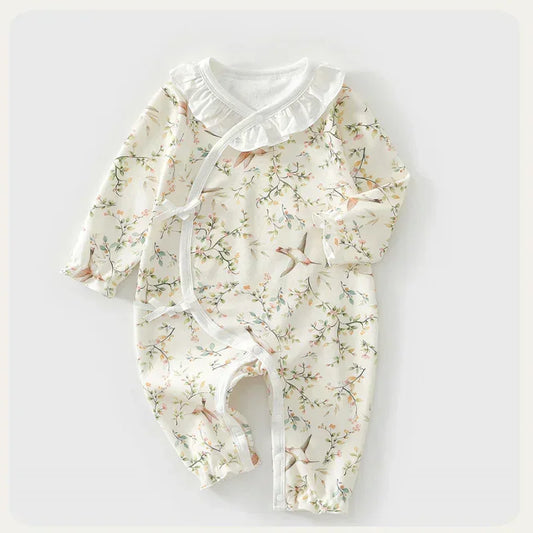
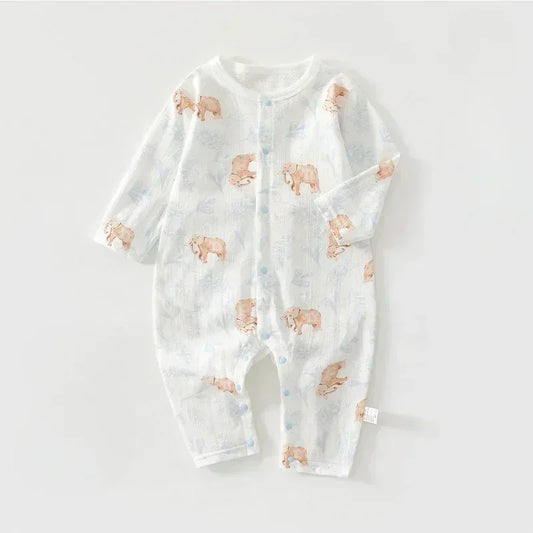
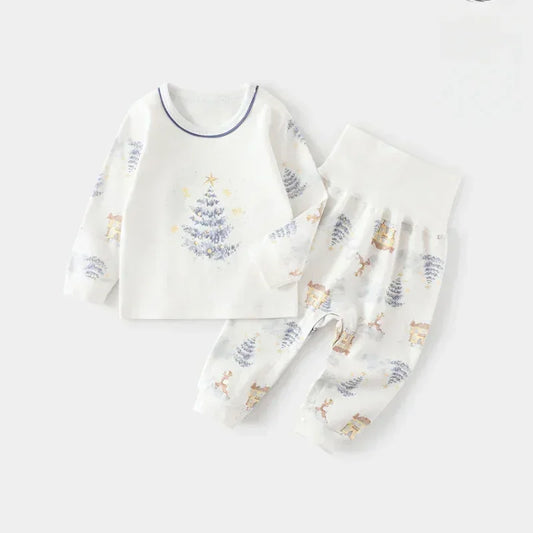
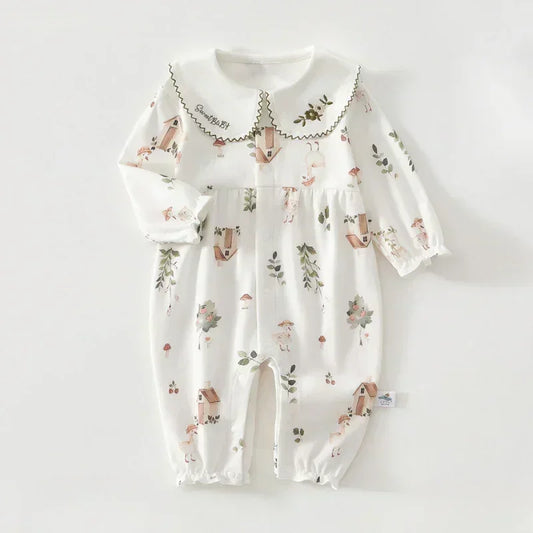
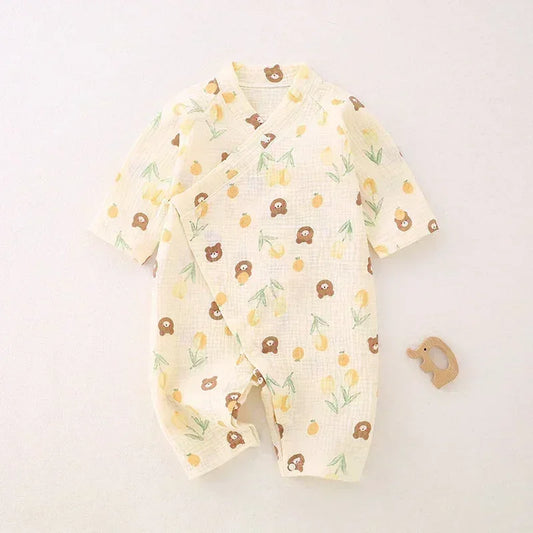
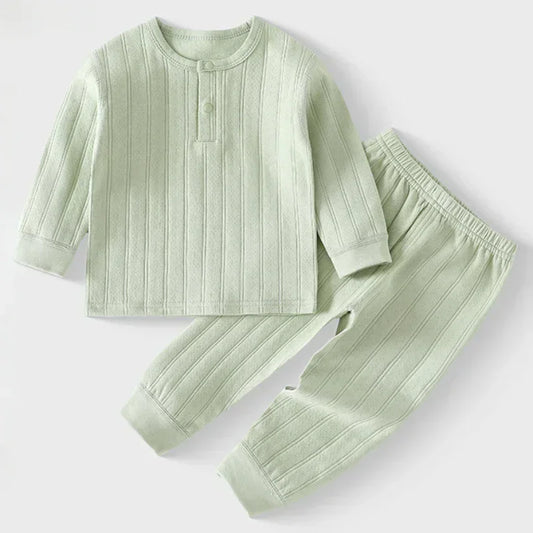
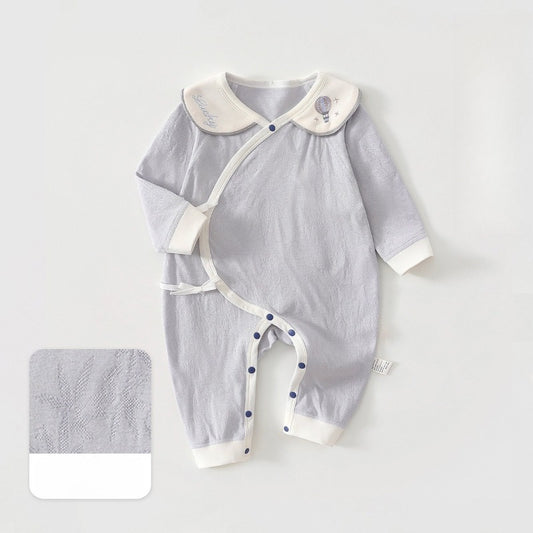
To maximize the magic of these windows, you must optimize the transition. This is where premium organic cotton becomes a sleep-saver. To ensure your baby stays asleep once you have hit that perfect window, prioritize their physical comfort. Organic cotton is the ultimate solution for several reasons:
- Superior Breathability: Unlike synthetics, organic cotton allows air to flow naturally, preventing the overheating that triggers cortisol spikes.
- Pure Softness: Free from the harsh pesticides and flame retardants found in cheap clothing, organic cotton doesn't irritate the skin or cause itching that wakes a light sleeper.
- Thermoregulation: It acts as a natural insulator, keeping your baby warm in the winter and cool in the summer, maintaining the 'Goldilocks' temperature for deep REM sleep.
Final Thoughts
Mastering awake windows is a journey of observation, not perfection. By pairing the science of timing with the gentle, breathable touch of organic cotton sleepwear, you are creating a sanctuary for your little one. You aren't just surviving the first year; you are setting the foundation for a lifetime of healthy sleep. When you respect the window and the skin, the magic of sleep follows naturally.
![[2-Pieces Set] 100% Cotton Long-Sleeve Kimono Romper - Blue & Blue Stripe](http://www.organiccottonclubs.com/cdn/shop/files/2_afd198b870f106588ecfc526d714b7a8.jpg?v=1764440625&width=533)


![[2-Pieces Set] 100% Cotton Long Sleeve Side-Snap Bodysuit - Pink & Pink Stripe](http://www.organiccottonclubs.com/cdn/shop/files/2_e34e329d03103a1ef2a830ed0f72d8f4.jpg?v=1759165907&width=533)
![[2-Pieces Set] 100% Cotton Long Sleeve Snapup Romper - Green & Green Stripe](http://www.organiccottonclubs.com/cdn/shop/files/4_dcde8d24f74c34bd214567f4011b27d7.jpg?v=1759166636&width=533)