


The Only Sleep Schedule You Need: 0-12 Month Awake Windows & Nap Times.
Share
Mastering the 0-12 Month Sleep Schedule: The Science of Wake Windows
Exhaustion is a silent companion for most new parents. You’ve tried the rocking, the white noise, and the endless shushing, yet your little one still struggles to drift off or stay asleep. The culprit? Often, it’s not the baby—it’s the timing and the environment. Mastering 'wake windows' is the secret key to unlocking peaceful nights and predictable naps.
The Struggle of the Overtired Baby
When a baby stays awake too long, their body produces cortisol and adrenaline, making it nearly impossible for them to settle. This leads to the dreaded 'overtired' state, resulting in shorter naps and frequent night wakings. But timing is only half the battle. Many parents find themselves stuck in a cycle of failed schedules without realizing their nursery environment is working against them.
Agitation: Why Your Baby’s Pajamas Might Be Ruining Their Sleep
Many parents focus solely on the clock while ignoring the tactile environment. Cheap, synthetic fabrics like polyester or heavily treated blends trap heat and moisture against a baby's sensitive skin. Imagine trying to sleep in a plastic bag—it’s itchy, sweaty, and uncomfortable. These heat spikes are a leading cause of mid-nap wakings. If your baby is wearing non-breathable materials, even the perfect sleep schedule won't save your sanity or theirs.
The Solution: Organic Cotton and Precise Wake Windows
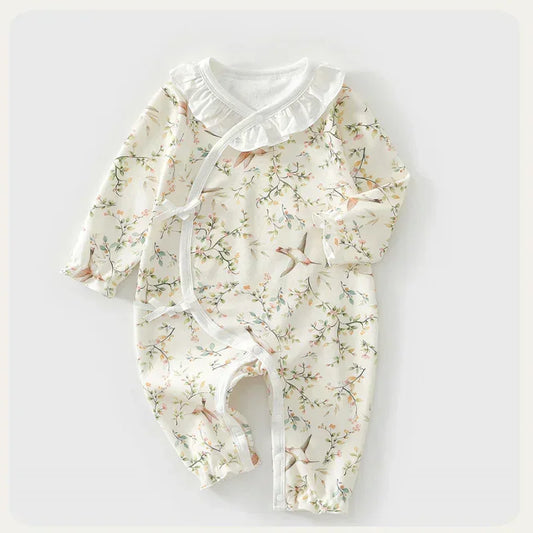
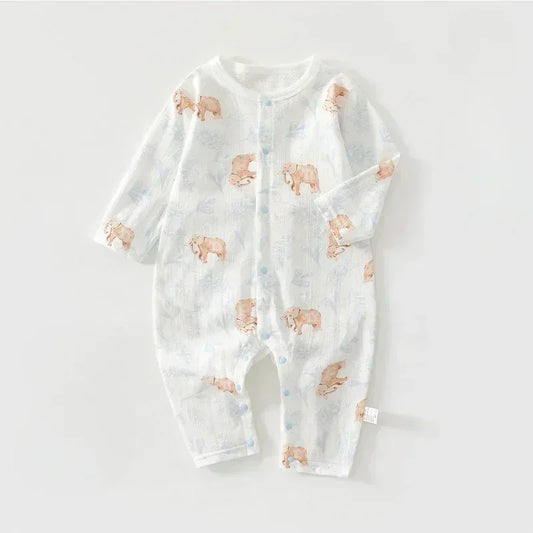
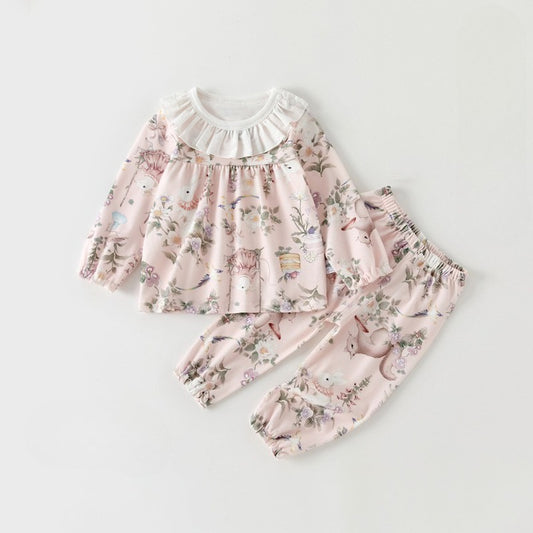
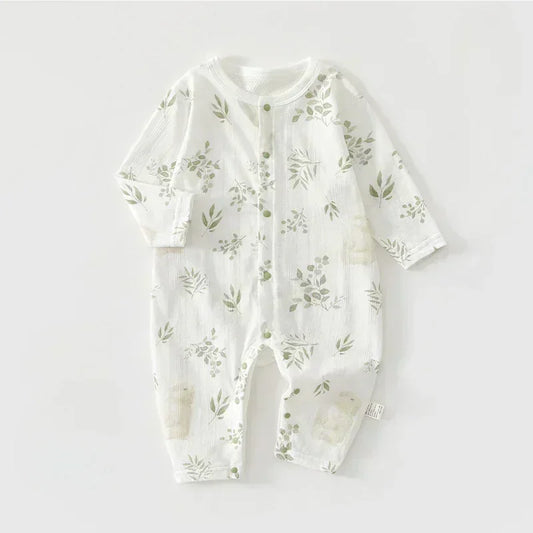
The transition to organic cotton sleepwear is a game-changer for infant sleep. Natural fibers allow for optimal temperature regulation, ensuring your baby stays cool in the summer and cozy in the winter. When you pair these breathable fabrics with the following biological sleep windows, you create the ultimate sleep sanctuary.
0-3 Months: The Fourth Trimester
- Wake Window: 45-90 minutes
- Naps: 4-5 per day
- Key Benefit: Focusing on short windows and soft organic swaddles helps newborns mimic the security of the womb.
3-6 Months: Finding a Rhythm
- Wake Window: 1.5-2.5 hours
- Naps: 3-4 per day
- Key Benefit: As the circadian rhythm develops, consistent wake windows prevent the 4-month sleep regression from taking over.
6-9 Months: The Two-Nap Transition
- Wake Window: 2.5-3.5 hours
- Naps: 2 per day
- Key Benefit: Moving to two longer naps allows for deeper restorative sleep cycles, provided the skin is kept irritation-free by natural fibers.
9-12 Months: Achieving Consistency
- Wake Window: 3-4 hours
- Naps: 2 per day
- Key Benefit: Morning and afternoon naps become predictable, giving parents back their much-needed daytime freedom.
Final Thoughts
Consistency is your best friend, but flexibility is your sanity. By combining these biological wake windows with high-quality, organic cotton bedding and sleepwear, you’re giving your baby the best possible chance at a long, restorative sleep. Sweet dreams are made of science and soft, natural fabrics.



![[2-Pieces Set] 100% Cotton Long-Sleeve Kimono Romper - Blue & Blue Stripe](http://www.organiccottonclubs.com/cdn/shop/files/2_afd198b870f106588ecfc526d714b7a8.jpg?v=1764440625&width=533)


![[2-Pieces Set] 100% Cotton Long Sleeve Side-Snap Bodysuit - Pink & Pink Stripe](http://www.organiccottonclubs.com/cdn/shop/files/2_e34e329d03103a1ef2a830ed0f72d8f4.jpg?v=1759165907&width=533)
![[2-Pieces Set] 100% Cotton Long Sleeve Snapup Romper - Green & Green Stripe](http://www.organiccottonclubs.com/cdn/shop/files/4_dcde8d24f74c34bd214567f4011b27d7.jpg?v=1759166636&width=533)