


The Perfect "Coming Home" Outfit: Why softness matters for the first 24 hours.
Share
That Unforgettable First Journey Home
The moment you've been waiting for is finally here. Hospital bags are packed, the car seat is installed, and you're about to walk out into the world with your new baby. In this whirlwind of emotion and firsts, one small detail holds immense significance: the coming home outfit. It’s more than just a cute ensemble for a photo; it’s your baby’s first real embrace from the world, and for their first 24 hours, nothing is more important than softness and safety.
Why a Baby's First 24 Hours Are So Delicate
A newborn’s transition from the controlled environment of the womb to the outside world is a monumental one. Their systems are working hard to adapt, and their comfort is paramount. Understanding these delicate needs helps clarify why the choice of fabric for their first outfit is so crucial.
Sensitive Skin Needs the Gentlest Touch
Newborn skin is incredibly delicate. It's thinner, more porous, and far more sensitive than adult skin, making it highly susceptible to irritation, rashes, and dryness. The skin's protective barrier is still developing, which means whatever touches it can be more easily absorbed. This is why harsh chemicals, synthetic fibers, and rough textures can cause immediate discomfort.
Maintaining the Perfect Temperature
Babies, especially in their first day, are not yet efficient at regulating their own body temperature. They can lose heat quickly. The right clothing acts as a gentle, breathable insulator, helping them stay comfortably warm without overheating. Fabrics that trap sweat or don't allow air to circulate can lead to clamminess and chills, or worse, heat rash.
The Fabric Factor: Why Organic Cotton is King
When it comes to dressing your newborn, not all fabrics are created equal. For the ultimate combination of softness, safety, and breathability, organic cotton is the undisputed champion.
Unmatched Softness & Breathability
Organic cotton fibers are grown without harsh chemicals and are often hand-picked, which results in longer, stronger, and softer fibers. The resulting fabric feels luxuriously gentle against a baby's skin. Its natural breathability allows air to circulate freely, wicking moisture away and helping to maintain that perfect, stable body temperature your baby needs.
Free from Harmful Chemicals
Conventional cotton is one of the most heavily sprayed crops in the world, treated with pesticides, herbicides, and insecticides. These chemicals can linger in the finished fabric, along with harsh dyes and finishing agents used during manufacturing. Organic cotton, especially when certified by standards like the Global Organic Textile Standard (GOTS), is grown and processed without these toxins. This means you're wrapping your baby in pure, clean fabric, not a cocktail of potential irritants.
Hypoallergenic and Safe
Because it's free from chemical residues, organic cotton is naturally hypoallergenic. This significantly reduces the risk of triggering skin allergies or conditions like eczema. It’s the safest, most reassuring choice for that precious, brand-new skin.
Beyond Fabric: Practical Tips for the Perfect Outfit
While organic cotton is the star, the construction of the outfit also plays a key role in your baby’s comfort and your peace of mind.
Prioritize Comfort and Ease-of-Use
Dressing a tiny, floppy newborn can be a challenge! Look for features that make it easier:
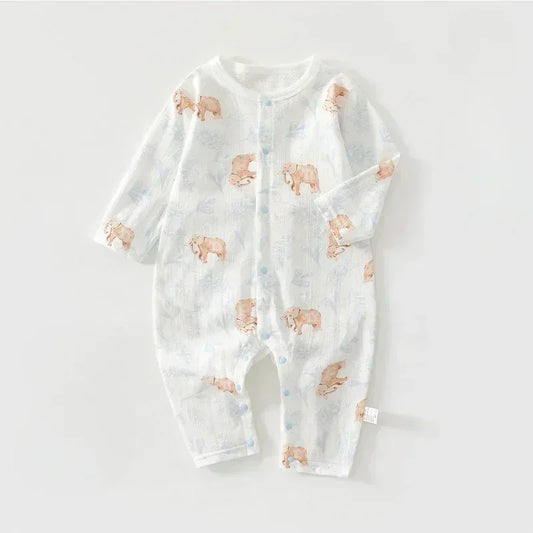
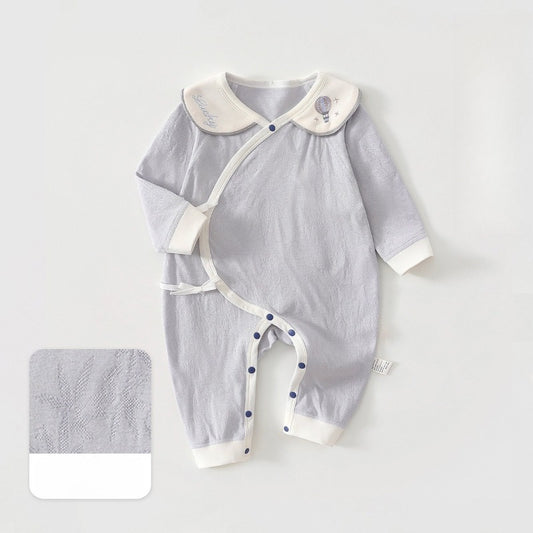
- Snaps over Buttons: Side-snaps or snaps along the inseam are much quicker and easier to manage than tiny buttons.
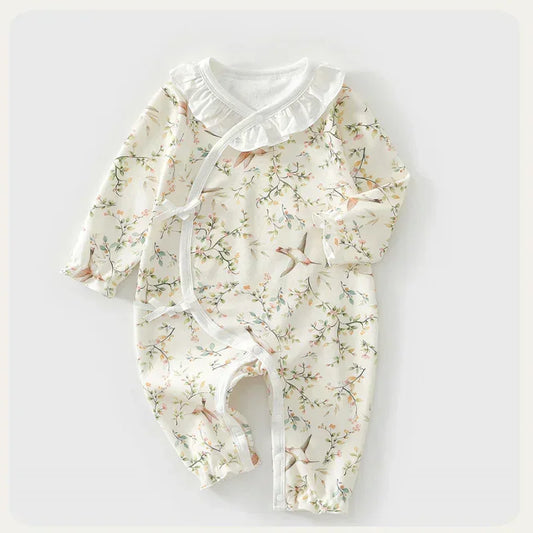
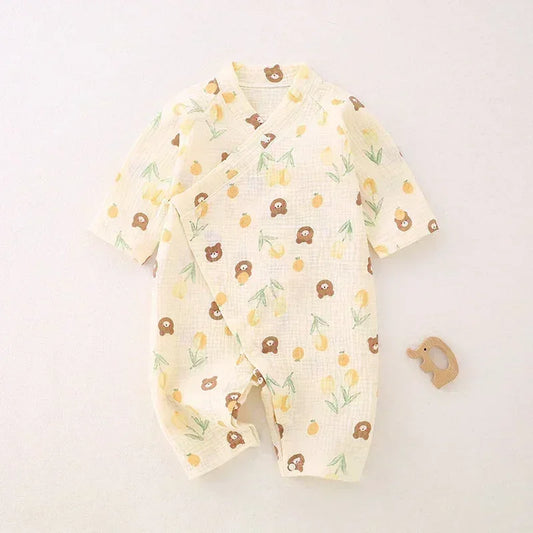
- Avoid Overhead Designs: Outfits that pull over the head can be distressing for a newborn. Kimono-style bodysuits or zip-up sleepers are fantastic alternatives.
- Built-in Features: Look for footed sleepers (no lost socks!) and fold-over mittens to prevent tiny scratches.
Safety First: No Small Parts or Irritants
Always inspect an outfit for potential hazards. Ensure there are no loose buttons, bows, or embellishments that could become a choking hazard. Check for scratchy internal tags (tagless designs are best) and avoid tight elastic bands around the waist or limbs, which can dig into delicate skin.
A Checklist for Your Hospital Bag
Keep it simple and comfortable. Here’s a great starting point for that coming home outfit:
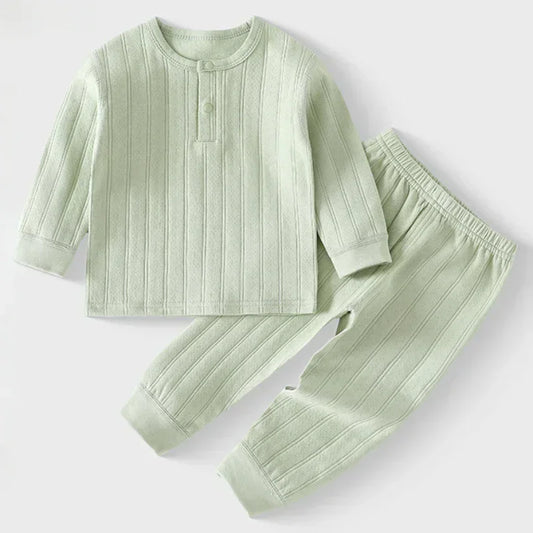
- A long-sleeved, footed sleeper or a kimono-style bodysuit made of 100% organic cotton.
- A soft, breathable beanie or hat to keep their head warm.
- A pair of soft, organic cotton socks or booties if the outfit isn't footed.
- A weather-appropriate swaddle or receiving blanket for the car ride home.
The First Embrace
The coming home outfit is a symbol of your baby's first step into a new life with you. By choosing one rooted in softness, safety, and comfort, you are providing the gentlest possible welcome. It’s the first of countless acts of love and care, ensuring their first moments in the great, wide world are as peaceful and cozy as they can be.
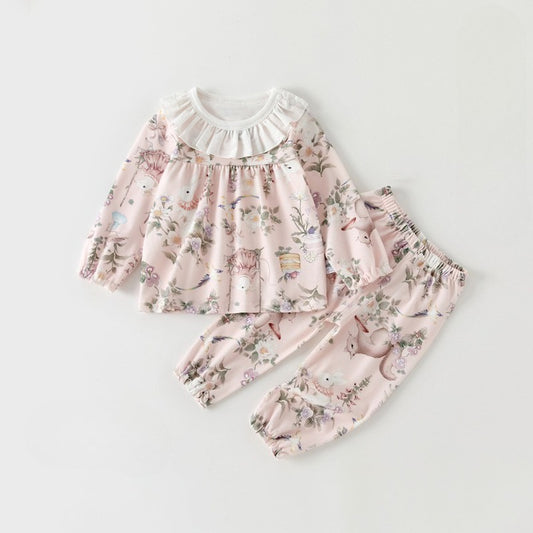
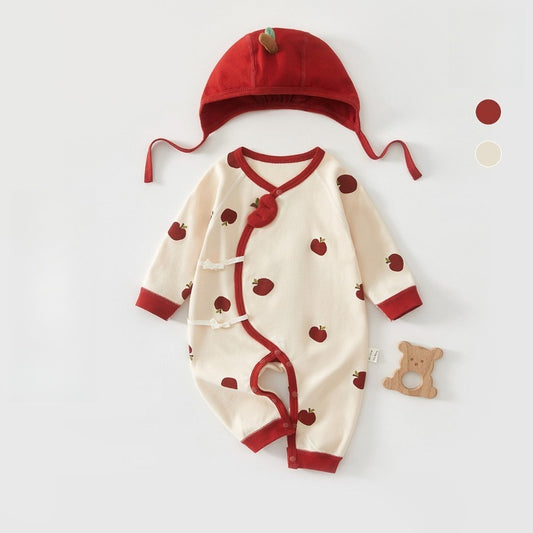
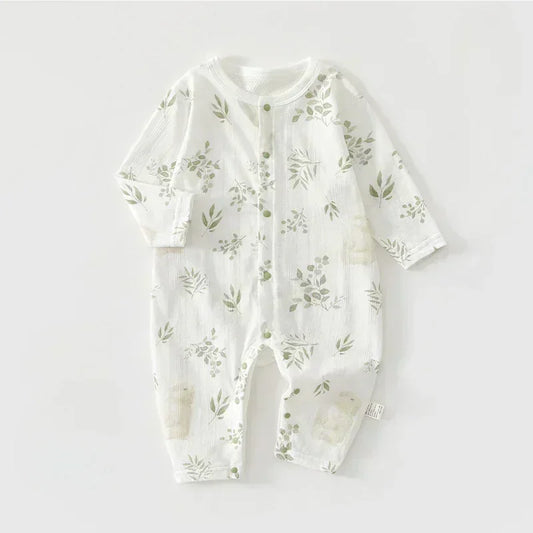
![[2-Pieces Set] 100% Cotton Long-Sleeve Kimono Romper - Blue & Blue Stripe](http://www.organiccottonclubs.com/cdn/shop/files/2_afd198b870f106588ecfc526d714b7a8.jpg?v=1764440625&width=533)

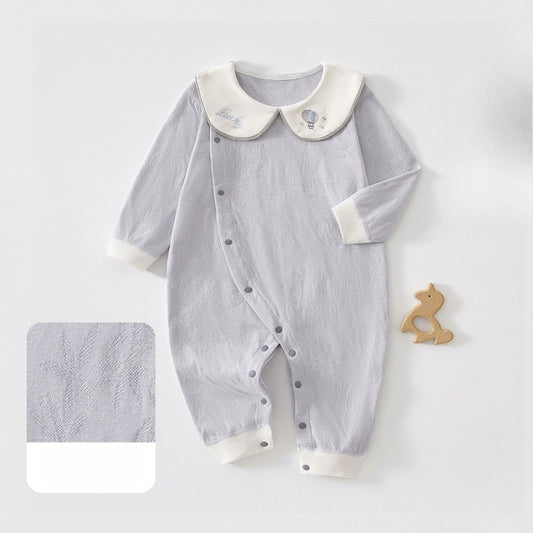

![[2-Pieces Set] 100% Cotton Long Sleeve Side-Snap Bodysuit - Pink & Pink Stripe](http://www.organiccottonclubs.com/cdn/shop/files/2_e34e329d03103a1ef2a830ed0f72d8f4.jpg?v=1759165907&width=533)
![[2-Pieces Set] 100% Cotton Long Sleeve Snapup Romper - Green & Green Stripe](http://www.organiccottonclubs.com/cdn/shop/files/4_dcde8d24f74c34bd214567f4011b27d7.jpg?v=1759166636&width=533)