


The 'Safe Sleep' Checklist for New Parents
Share
Navigating the Night: The Ultimate 'Safe Sleep' Checklist for Your Newborn
Bringing a newborn home is one of life's most profound joys, but it often comes with a side of overwhelming anxiety—especially when the sun goes down. Every new parent knows the feeling of hovering over a bassinet, watching for the rhythmic rise and fall of a tiny chest. You want the best for your baby, yet the world of infant sleep is cluttered with conflicting advice and endless product advertisements.
The Hidden Struggle of New Parenthood
Sleep deprivation is more than just feeling tired; it is a heavy fog that affects your decision-making and emotional well-being. But the struggle goes deeper than just the lack of hours in bed. It is the constant worry about whether your baby is safe, comfortable, and thermally regulated. Are they too hot? Are they too cold? Is the mattress firm enough? These questions keep parents awake long after the baby has finally drifted off.
The Danger of 'Budget' Bedding: Why Cheap Fabrics Hurt
When setting up a nursery, it is tempting to opt for budget-friendly bedding sets found at big-box retailers. However, many of these cheaper options are made from synthetic polyesters and treated with harsh chemical finishes. These materials are notorious for trapping heat, which can lead to overheating—a significant risk factor for SIDS. Furthermore, synthetic fibers do not wick moisture away, often causing skin irritation and heat rashes on a newborn's delicate skin. Choosing 'cheap' often means sacrificing the natural breathability and safety your baby requires during their most vulnerable hours.
The Organic Solution: Why 100% Organic Cotton Matters
The solution to many sleep-related anxieties lies in the materials that touch your baby's skin. Transitioning to organic cotton is not just a trend; it is a safety standard for the modern nursery. Here are the primary benefits:
- Superior Breathability: Organic cotton allows air to circulate freely, helping your baby regulate their body temperature naturally without the risk of synthetic heat-trapping.
- Hypoallergenic Properties: Free from toxic pesticides, heavy metals, and synthetic dyes, organic cotton is gentle on sensitive skin and developing respiratory systems.
- Pure Comfort: Unlike synthetics that can pill and become scratchy, organic cotton gets softer with every wash, providing a soothing environment that encourages longer sleep cycles.
The Essential 'Safe Sleep' Checklist
To ensure your little one sleeps soundly and safely, follow this evidence-based checklist for every nap and nighttime rest:
- Back is Best: Always place your baby on their back to sleep.
- Firm, Flat Surface: Use a firm sleep surface covered only by a tight-fitting organic sheet. Never use memory foam or soft toppers.
- Clear the Crib: Keep the sleep area free of toys, stuffed animals, pillows, and loose blankets.
- Optimal Temperature: Maintain the nursery between 68 and 72 degrees Fahrenheit (20-22°C) to prevent overheating.
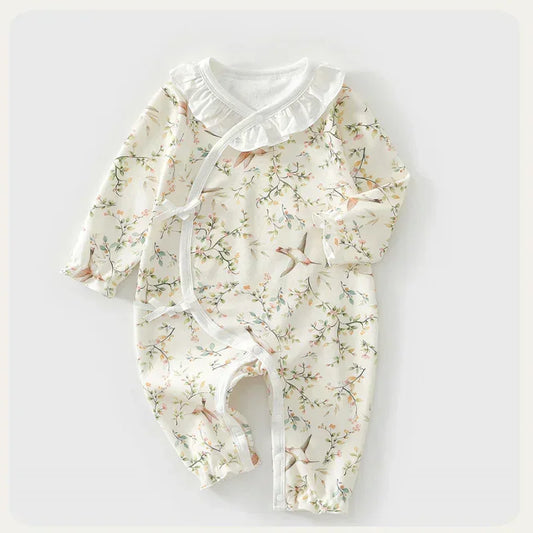
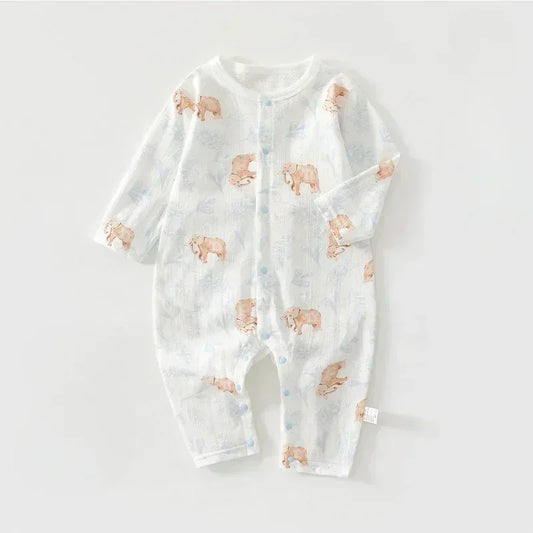
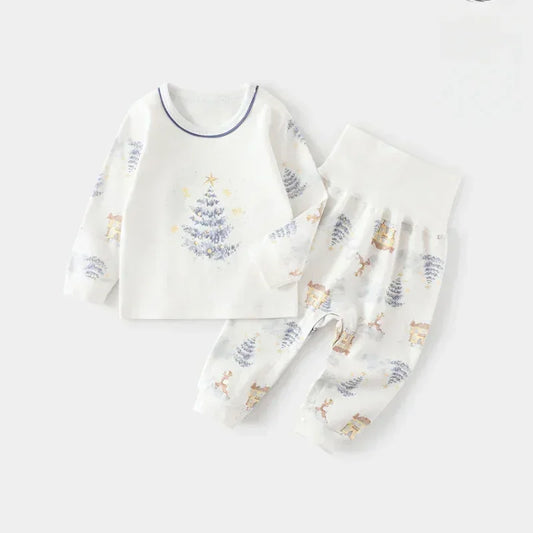
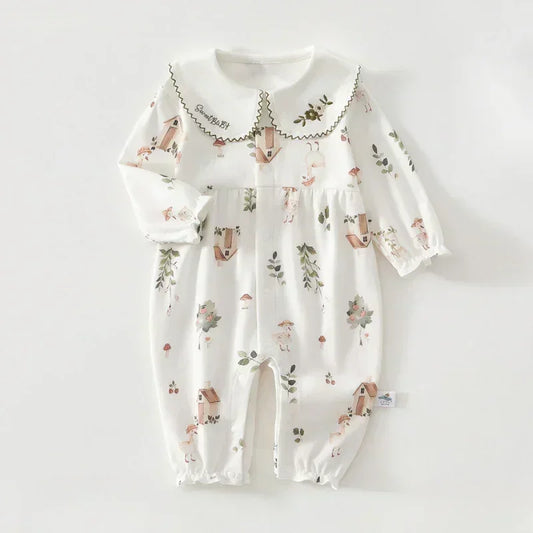
- Wearable Blankets: Use a well-fitted sleep sack made of organic cotton instead of loose sheets to keep your baby warm.
Final Thoughts
Creating a safe sleep environment is the greatest gift you can give both your baby and yourself. By choosing high-quality, organic materials and adhering to strict safety guidelines, you can rest easy knowing your child is protected from environmental stressors. Remember, a well-rested parent is a more present and patient parent. Invest in peace of mind tonight so your whole family can wake up refreshed tomorrow.
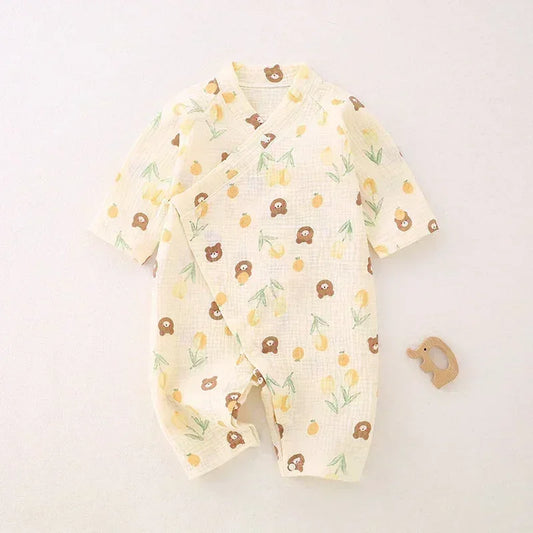
![[2-Pieces Set] 100% Cotton Long-Sleeve Kimono Romper - Blue & Blue Stripe](http://www.organiccottonclubs.com/cdn/shop/files/2_afd198b870f106588ecfc526d714b7a8.jpg?v=1764440625&width=533)


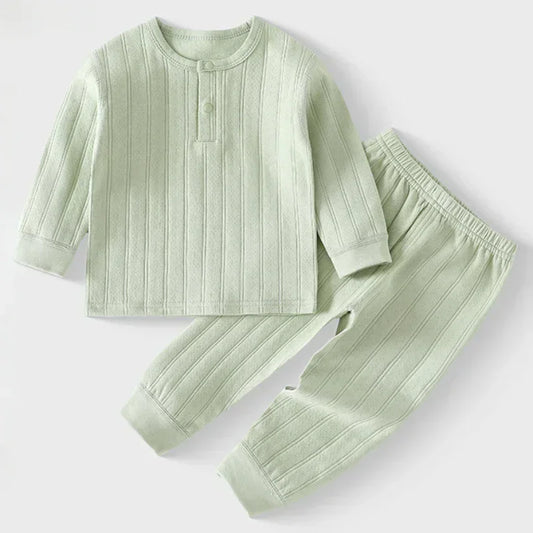
![[2-Pieces Set] 100% Cotton Long Sleeve Side-Snap Bodysuit - Pink & Pink Stripe](http://www.organiccottonclubs.com/cdn/shop/files/2_e34e329d03103a1ef2a830ed0f72d8f4.jpg?v=1759165907&width=533)
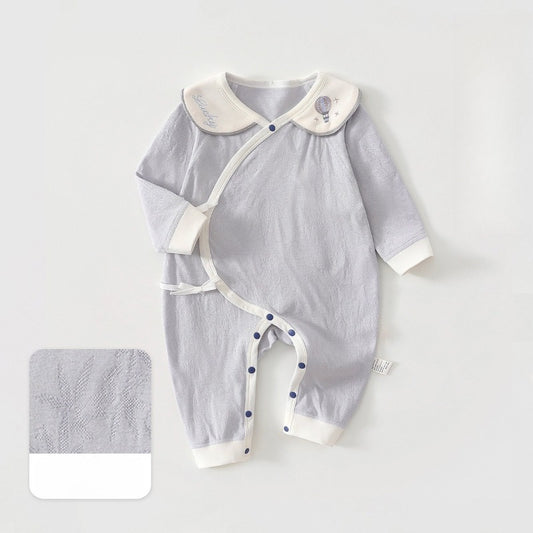
![[2-Pieces Set] 100% Cotton Long Sleeve Snapup Romper - Green & Green Stripe](http://www.organiccottonclubs.com/cdn/shop/files/4_dcde8d24f74c34bd214567f4011b27d7.jpg?v=1759166636&width=533)