

The "Safe Sleep" Seven Checklist
Share
Why Every Tired Parent Needs the Safe Sleep Seven Checklist
Parenthood often feels like a beautiful blur, but the exhaustion that comes with it is anything but poetic. If you are reading this at 3 AM, holding a fussy baby and wondering if you can just close your eyes for a second, you are not alone. The struggle of the nighttime wake-up call is a universal parenting challenge that can lead to desperate, often unsafe, sleep choices. Many parents find themselves accidentally falling asleep with their infants on couches or armchairs, which are some of the most dangerous places for a baby to sleep. The overwhelming pressure to follow strict 'no co-sleeping' rules can actually lead to riskier behaviors when sleep deprivation takes over.
The Hidden Dangers of Low-Quality Bedding
It is not just about where you sleep, but what you sleep on. Many conventional mattresses and bedding sets are made with synthetic materials and cheap foams that trap heat and lack breathability. For a newborn, whose ability to regulate body temperature is still developing, this can lead to overheating—a major risk factor for SIDS. Cheap polyester sheets and heavy quilts create a sensory-overload environment that keeps both you and your baby restless. When you are agitated and tired, your decision-making suffers, and that is when accidents happen. Using non-organic materials can also expose your infant to harsh chemicals and flame retardants during those critical hours of growth.
The Safe Sleep Seven: Your Safety Roadmap
The Safe Sleep Seven is a set of criteria developed by the La Leche League to help breastfeeding mothers minimize the risks of bed-sharing. When these seven conditions are met, the risk of SIDS is significantly reduced, making the bed-sharing environment as safe as a crib. Let us break down the checklist:
- Sober: The mother must not be under the influence of alcohol, drugs, or medication that could impair her arousal levels or cause unnaturally deep sleep.
- Non-smoker: A mother who smoked during pregnancy or a baby who lives in a home with a smoker is at a higher risk; a safe sleep environment must be smoke-free.
- Breastfeeding: Breastfeeding mothers and babies naturally sleep in a protective curled position (the 'C-position'), which prevents the mother from rolling toward the baby.
- Healthy: The baby must be a full-term, healthy infant. Premature babies or those with specific health concerns require different sleep arrangements.
- On Back: The baby must always be placed on their back to sleep, never on their tummy or side, to ensure clear airways.
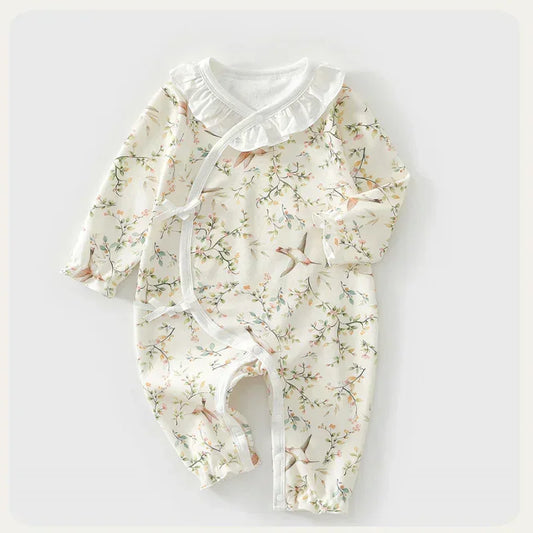
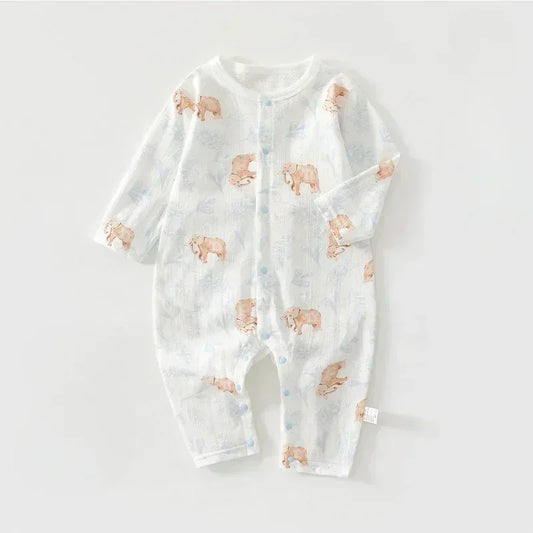
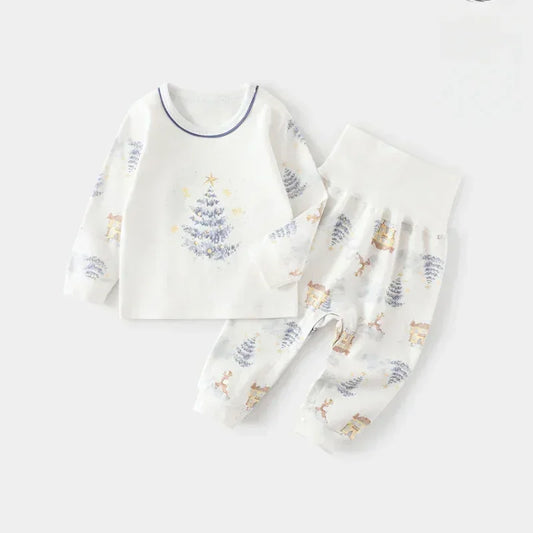
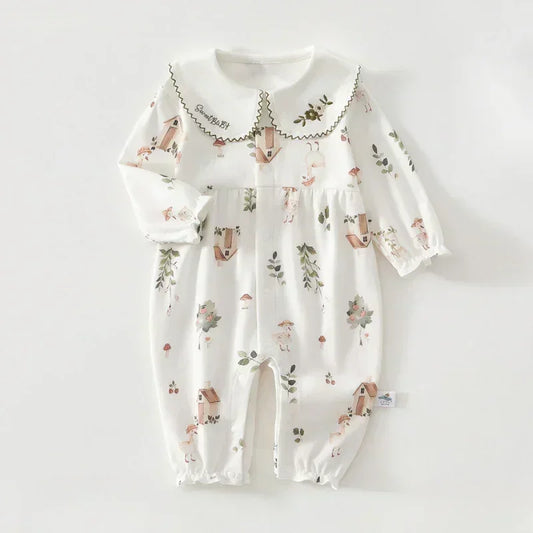
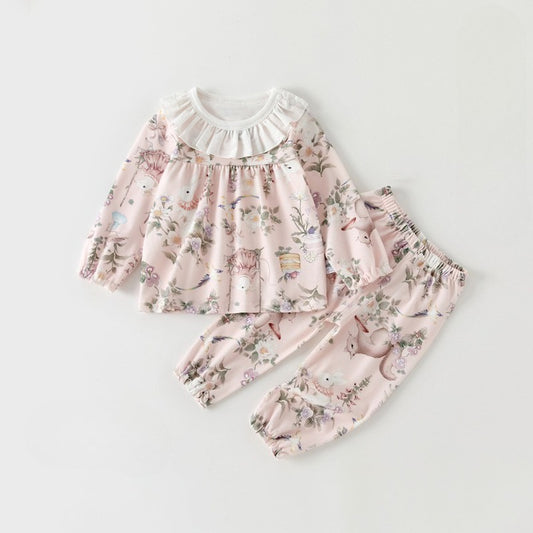
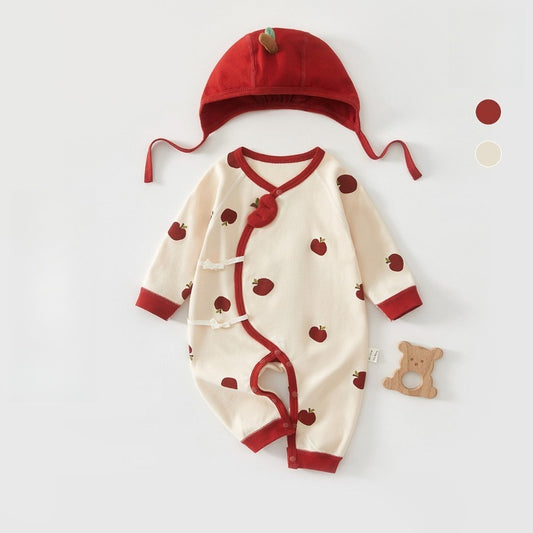
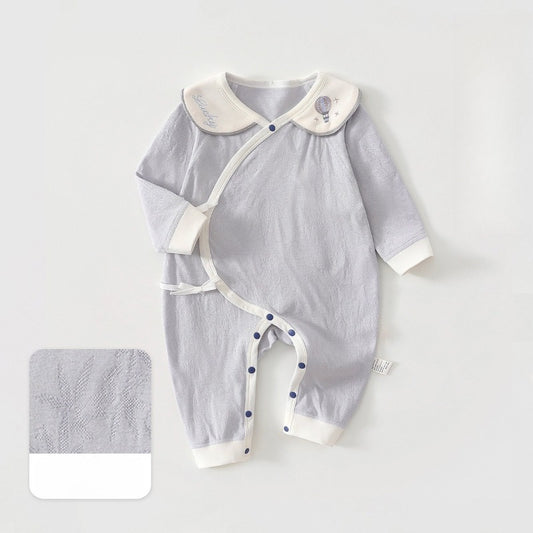
- Lightly Dressed: Avoid over-bundling or using hats indoors. A simple GOTS-certified organic cotton onesie is ideal to prevent overheating.
- Safe Surface: This means a firm mattress, no heavy blankets, no pillows near the baby, and no gaps between the mattress and headboard or wall where a baby could get stuck.
Boosting Safety with Organic Cotton
To truly master the Safe Sleep Seven, you need to audit your environment. Switching to GOTS-certified organic cotton bedding is a game-changer for safety and comfort. Organic cotton is naturally moisture-wicking and incredibly breathable, ensuring that your baby stays cool and comfortable throughout the night. Unlike synthetic fabrics, organic cotton is free from toxic dyes and finishes that can irritate a baby's sensitive skin and respiratory system. By creating a minimalist, organic sleep space, you remove the physical agitators that contribute to restless nights and unsafe sleep conditions. A firm, organic surface is the foundation of a secure family bed.
Final Thoughts
Safety is not about perfection; it is about harm reduction and making informed choices that protect your family. By following the Safe Sleep Seven and investing in high-quality, organic materials, you are creating a sanctuary for both you and your baby. Sleep is a necessity for mental health and physical recovery, and with the right checklist, you can finally find the rest you deserve while keeping your little one secure. Remember to always consult with a pediatrician if you have specific concerns about your baby's health or unique sleep habits. Transitioning to a safer, more natural sleep environment is the best gift you can give your growing family.
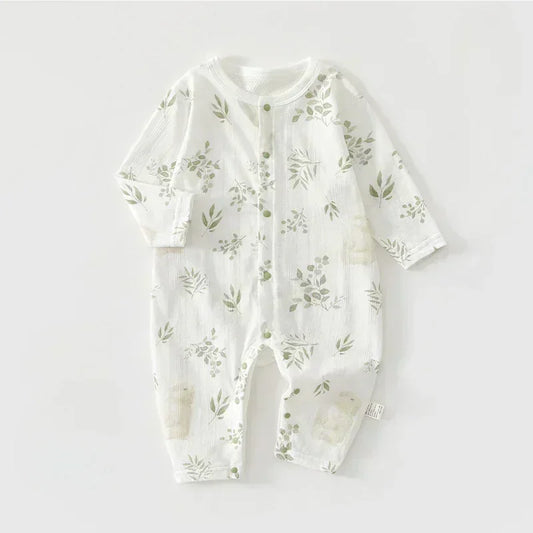
![[2-Pieces Set] 100% Cotton Long-Sleeve Kimono Romper - Blue & Blue Stripe](http://www.organiccottonclubs.com/cdn/shop/files/2_afd198b870f106588ecfc526d714b7a8.jpg?v=1764440625&width=533)

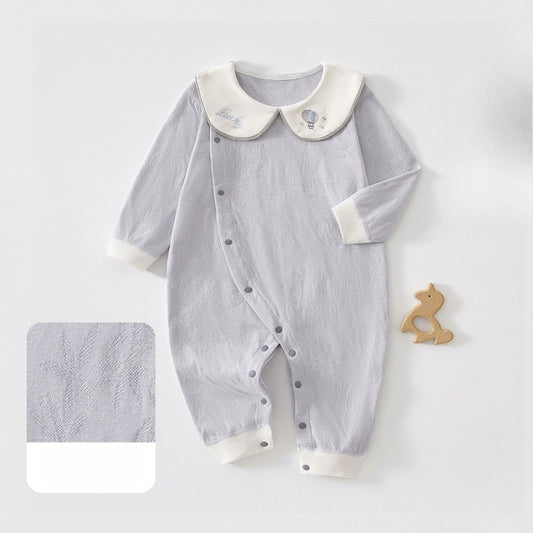

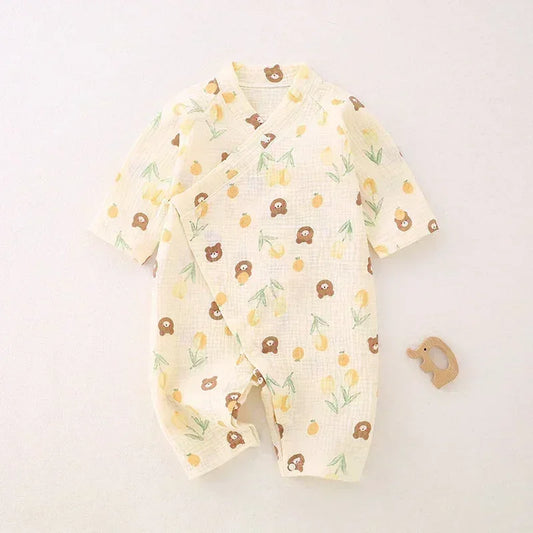
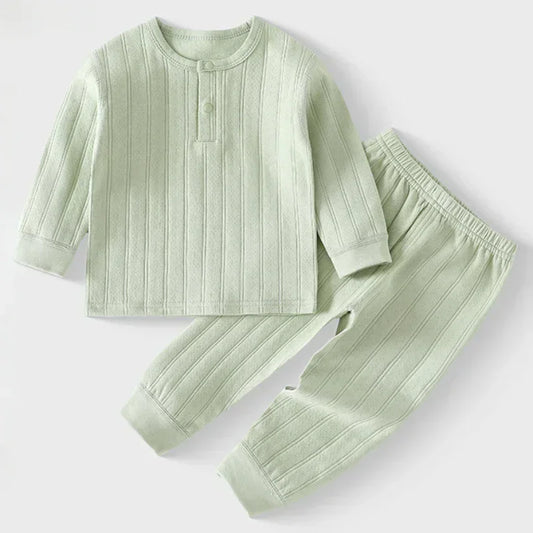
![[2-Pieces Set] 100% Cotton Long Sleeve Side-Snap Bodysuit - Pink & Pink Stripe](http://www.organiccottonclubs.com/cdn/shop/files/2_e34e329d03103a1ef2a830ed0f72d8f4.jpg?v=1759165907&width=533)
![[2-Pieces Set] 100% Cotton Long Sleeve Snapup Romper - Green & Green Stripe](http://www.organiccottonclubs.com/cdn/shop/files/4_dcde8d24f74c34bd214567f4011b27d7.jpg?v=1759166636&width=533)