

The "Sniff Test": How to identify formaldehyde in new baby clothes.
Share
The Hidden Scent in Your Baby's New Clothes
You've spent hours nesting, washing tiny socks, and folding miniature onesies. But as you open a fresh package of new baby clothes, a sharp, chemical odor often fills the room. Is it just that 'new clothes smell,' or is it something more sinister? Most parents don't realize that fast-fashion baby garments are often treated with formaldehyde to prevent wrinkles and mildew during long shipping journeys. For a newborn with skin up to five times thinner than an adult's, this 'fresh' scent is actually a warning sign of potential irritation and long-term health risks.
Why Cheap Materials and Finishing Resins Hurt
Formaldehyde is a known human carcinogen and a common skin irritant. In the textile industry, it is used as a 'finishing resin' to ensure clothes look crisp on the rack and resist mold in shipping containers. When these chemicals come into contact with a baby's porous skin, they can trigger contact dermatitis, unexplained rashes, and even respiratory issues. Agitating the problem further is the fact that many budget brands prioritize cost-cutting over chemical safety, leaving parents to navigate a minefield of hidden toxins in the very items meant to comfort their children.
The 'Sniff Test': Your First Line of Defense
How can you tell if your nursery is being invaded by formaldehyde? It starts with the 'Sniff Test.' While you cannot see the chemicals, your nose is a surprisingly powerful tool for identifying high levels of finishing resins. Follow these steps to audit your baby's wardrobe:
- Identify the 'New' Scent: A strong, pungent, or sour smell similar to pickles or wet paint is a major red flag for formaldehyde.
- Check the Stiffness: If the fabric feels unnaturally stiff or 'crisp' for cotton, it likely has a heavy resin coating.
- The Steam Test: Hang the garment in a steamy bathroom; if the moisture releases a sharp chemical odor, the chemicals are off-gassing.
- The Label Check: Look for 'easy care,' 'wrinkle-free,' or 'permanent press' labels, as these almost always involve formaldehyde-based treatments.
Choosing a Safer Path with Organic Cotton
The solution to avoiding these hidden dangers is simpler than you might think. By choosing GOTS-certified organic cotton, you are guaranteed a product that has been strictly regulated from seed to stitch. Organic cotton is grown without synthetic pesticides and processed without toxic finishing resins like formaldehyde. Not only is it safer for your baby's skin, but it is also significantly softer and more breathable, providing the gentle comfort your little one deserves.
Final Thoughts
As a parent, your intuition is your greatest asset. If a garment smells 'off,' it probably is. Prioritizing organic, non-toxic fabrics isn't just a trend—it's a fundamental step in protecting your baby's developing health. Start using the 'Sniff Test' today and trade those chemical odors for the sweet, natural scent of a healthy baby.
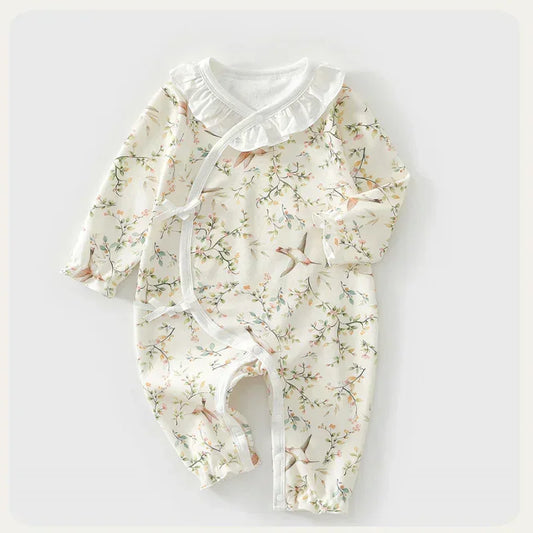
![[2-Pieces Set] 100% Cotton Long-Sleeve Kimono Romper - Blue & Blue Stripe](http://www.organiccottonclubs.com/cdn/shop/files/2_afd198b870f106588ecfc526d714b7a8.jpg?v=1764440625&width=533)


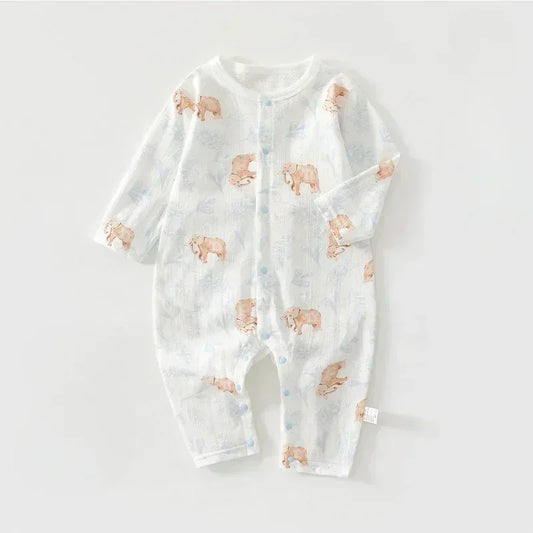
![[2-Pieces Set] 100% Cotton Long Sleeve Side-Snap Bodysuit - Pink & Pink Stripe](http://www.organiccottonclubs.com/cdn/shop/files/2_e34e329d03103a1ef2a830ed0f72d8f4.jpg?v=1759165907&width=533)
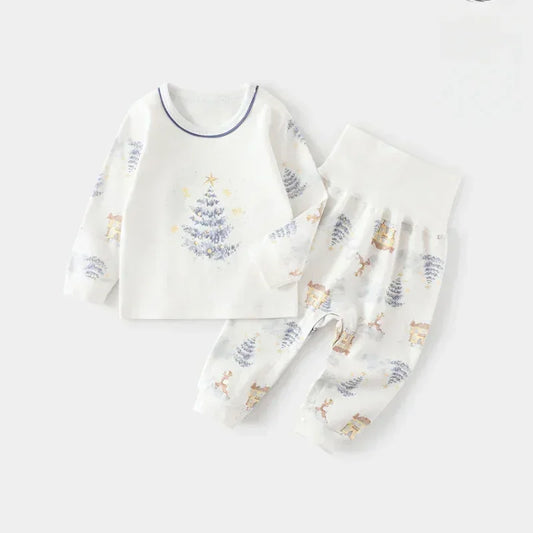
![[2-Pieces Set] 100% Cotton Long Sleeve Snapup Romper - Green & Green Stripe](http://www.organiccottonclubs.com/cdn/shop/files/4_dcde8d24f74c34bd214567f4011b27d7.jpg?v=1759166636&width=533)