


The TOG Rating Cheat Sheet: How to Dress Baby for Sleep by Temp.
Share
Mastering the TOG Rating: The Secret to a Restful Night for Baby and You
Every new parent has been there: standing over a sleeping infant at 3 AM, wondering if that tiny forehead feels a little too warm or if those small toes are a bit too chilly. The anxiety of temperature regulation is a rite of passage in parenthood, but it is one that causes unnecessary stress and sleepless nights. When it comes to infant sleep, the stakes feel high because they are. Ensuring your baby is at the optimal temperature isn't just about comfort—it's a critical component of safe sleep.
The Parenting Struggle: The Guesswork of Dressing for Sleep
The transition from the womb to the nursery is a massive adjustment for a newborn's system. Unlike adults, babies cannot effectively regulate their own body temperature. They don't sweat like we do, and they can't kick off a heavy blanket if they start to overheat. This leaves parents in a constant cycle of adding and removing layers, often waking the baby in the process. The 'touch test'—feeling the chest or back of the neck—is helpful, but it doesn't provide a proactive strategy for dressing them correctly from the start of the night.
The Agitation: Why 'Cheap' Fabrics Are Costing You Sleep
In an effort to save money, many parents opt for multi-pack synthetic sleepwear. However, fabrics like polyester and nylon are essentially plastic. They lack breathability, meaning they trap heat and moisture against the baby's delicate skin. This leads to the 'overheating cycle': the baby gets too hot, becomes restless, wakes up crying, and then chills as their sweat cools down. Beyond the discomfort, overheating is a primary risk factor associated with SIDS (Sudden Infant Death Syndrome). Using non-breathable materials makes it nearly impossible to maintain a stable core temperature, regardless of the room's thermostat setting.
The Solution: Organic Cotton and the TOG Cheat Sheet
The key to ending the midnight guesswork lies in two things: high-quality organic fibers and understanding the TOG (Thermal Overall Grade) rating. Organic cotton is the gold standard for baby sleepwear because its long-staple fibers allow for maximum airflow while providing consistent insulation. When you combine the breathability of organic cotton with a structured TOG guide, you create a safe, climate-controlled environment for your little one.
The TOG Rating Cheat Sheet by Temperature
- 24°C+ (75°F+): Use a 0.5 TOG swaddle or sleep bag. Pair with just a short-sleeved bodysuit or even just a diaper.
- 21°C - 23°C (70°F - 74°F): A 1.0 TOG sleep bag is ideal. Pair with a long-sleeved organic cotton sleeper or a bodysuit.
- 18°C - 20°C (64°F - 69°F): This is the 'sweet spot' for nursery temps. Use a 2.5 TOG sleep bag with a long-sleeved bodysuit and a cotton sleeper underneath.
- Below 16°C (61°F): Use a 3.5 TOG sleep bag. Ensure layers are snug and made of breathable cotton or bamboo to prevent moisture buildup.
Benefits of an Cotton Sleep Wardrobe
- Hypoallergenic: No harsh pesticides or chemicals to irritate sensitive newborn skin.
- Durability: Cotton maintains its shape and TOG integrity even after dozens of washes.
- Temperature Regulation: Naturally wicks moisture away, keeping baby dry and cozy.
Final Thoughts
Understanding the TOG rating cheat sheet is more than just an SEO hack; it is a fundamental tool for parental peace of mind. By investing in organic cotton and following a temperature-based dressing guide, you are removing the variables that lead to restless nights. When your baby is dressed safely and comfortably, everyone in the house sleeps better. Remember, a cool room and breathable layers are the best recipe for a safe, sound sleep.
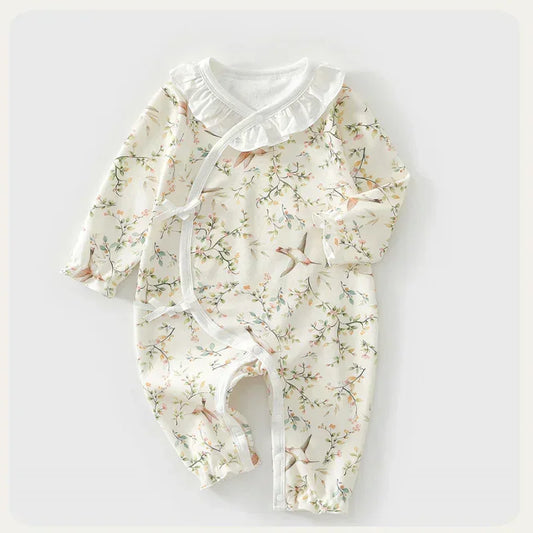
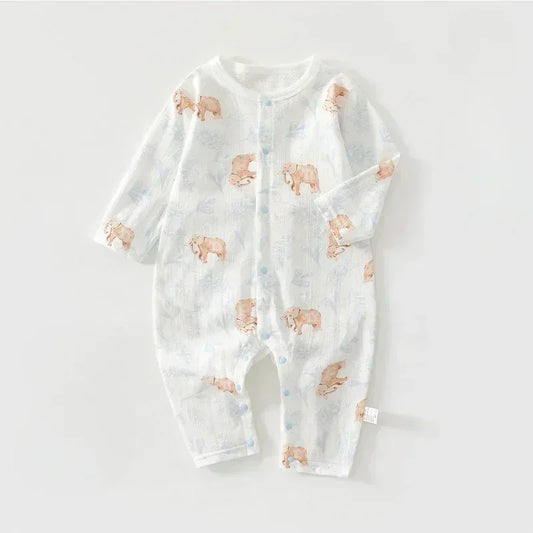
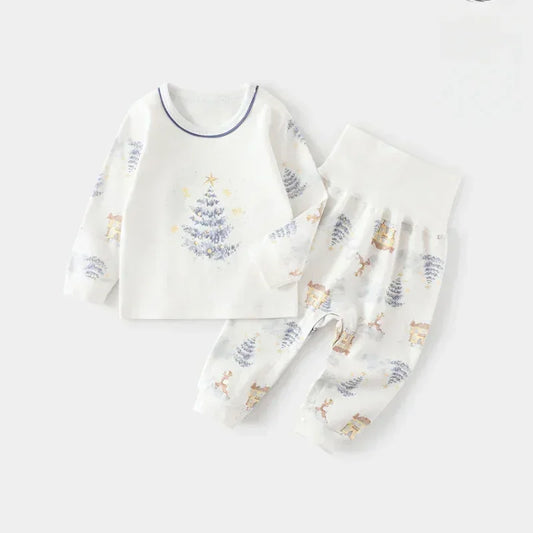
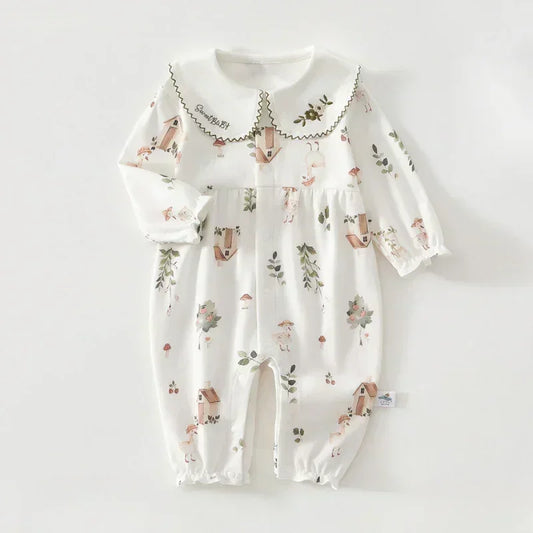
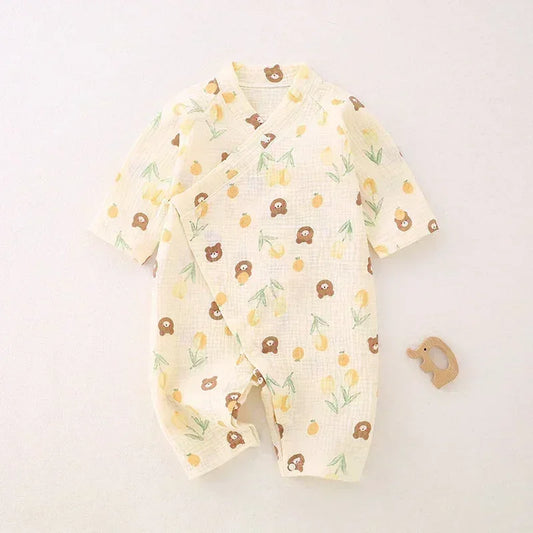
![[2-Pieces Set] 100% Cotton Long-Sleeve Kimono Romper - Blue & Blue Stripe](http://www.organiccottonclubs.com/cdn/shop/files/2_afd198b870f106588ecfc526d714b7a8.jpg?v=1764440625&width=533)


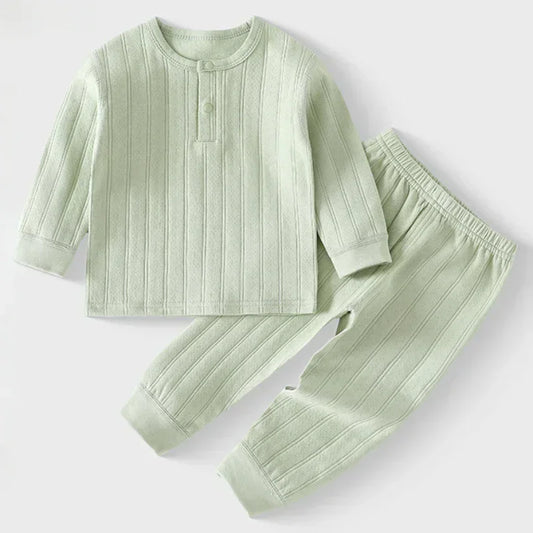
![[2-Pieces Set] 100% Cotton Long Sleeve Side-Snap Bodysuit - Pink & Pink Stripe](http://www.organiccottonclubs.com/cdn/shop/files/2_e34e329d03103a1ef2a830ed0f72d8f4.jpg?v=1759165907&width=533)
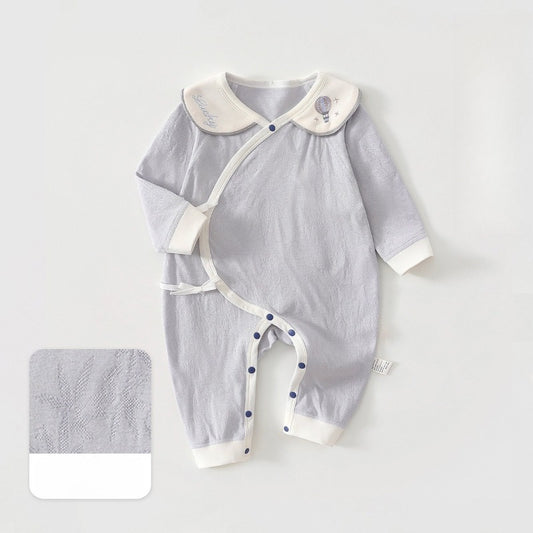
![[2-Pieces Set] 100% Cotton Long Sleeve Snapup Romper - Green & Green Stripe](http://www.organiccottonclubs.com/cdn/shop/files/4_dcde8d24f74c34bd214567f4011b27d7.jpg?v=1759166636&width=533)