


The Top 9 Allergens: How & When to Introduce Them Safely.
Share
Navigating the Big 9: A Parent's Guide to Safe Allergen Introduction
The transition to solid foods is one of the most exciting milestones in your baby's first year. It is a time of discovery, messy faces, and adorable reactions to new textures. However, for many parents, this excitement is shadowed by a significant cloud of anxiety: food allergies. With the prevalence of childhood allergies on the rise, the pressure to 'get it right' can feel overwhelming. You want to nourish your child, but the fear of a potential reaction—and the conflicting advice found online—can leave you feeling paralyzed at the high chair.
The Struggle: Fear of the Unknown
In decades past, the advice was simple: wait. Parents were told to avoid highly allergenic foods until age three. But as research evolved, we realized that waiting was actually contributing to the problem. Today's parents are faced with the daunting task of doing the exact opposite—introducing peanuts, eggs, and dairy early and often. This shift has created a unique brand of parenting stress. You are told to introduce these foods as early as 4 to 6 months, yet the fear of anaphylaxis or even a mild skin rash makes every new bite feel like a high-stakes gamble. This confusion is amplified by the sheer volume of information, leaving you wondering which food to start with and how to identify a real reaction versus a simple skin irritation.
The Agitation: Why Sensitive Skin Makes It Harder
When you begin the allergen journey, the environment matters as much as the food. Introducing solids is inherently messy. Purees end up on cheeks, necks, and chests. This is where the 'Agitation' phase becomes critical for parents of sensitive babies. Many infants struggle with 'contact dermatitis'—redness that appears wherever food touches the skin. If your baby is wearing cheap, synthetic fabrics or bibs treated with harsh chemical dyes, their skin is already in a state of hyper-sensitivity. Rough polyester fibers and residual pesticides in non-organic clothing can cause micro-irritations that look remarkably like an allergic hive. This creates a panic-inducing feedback loop: is that redness on the neck a reaction to the peanut butter, or is it just the abrasive, chemical-laden fabric of their bib reacting with the moisture of the food? When you can't distinguish between a fabric irritation and a food allergy, the stress of mealtime becomes unbearable.
The Solution: Early Introduction and the Power of Natural Materials
The key to a successful allergen journey is a combination of the right timing and the right environment. Current pediatric guidelines from the AAAAI suggest that introducing the 'Top 9' allergens early—between 4 and 6 months—can significantly reduce the risk of developing a lifelong allergy. Here is the definitive list of the Top 9 allergens you should focus on:
- Peanuts: Introduce as a thin puree or mixed into breastmilk/formula. Never whole nuts.
- Eggs: Start with thoroughly cooked scrambled eggs or hard-boiled mashes.
- Dairy: Opt for full-fat plain yogurt or cottage cheese rather than cow's milk as a drink.
- Tree Nuts: Smooth butters like almond or cashew mixed into fruit purees.
- Wheat: Infant wheat cereal or soft, toasted bread strips for older babies.
- Soy: Soft-mashed tofu or soy-based infant cereals.
- Fish: Low-mercury options like salmon or white fish, finely flaked.
- Shellfish: Minced shrimp or crab, ensuring it is fully cooked and soft.
- Sesame: Tahini is the safest way to introduce sesame to an infant.
To ensure the safest experience, introduce these foods one at a time, spaced 3-5 days apart. This allows you to monitor for any delayed reactions. Furthermore, you can eliminate the 'rash confusion' by dressing your baby in 100% organic cotton during mealtime. Organic cotton is grown without toxic pesticides and processed without the harsh dyes found in conventional baby clothes. It provides a hypoallergenic, breathable barrier that won't irritate your baby's skin when it inevitably gets covered in food. By choosing GOTS-certified organic fabrics, you ensure that the only thing your baby's immune system is reacting to is the food itself, not the chemicals in their clothing.
Safe Introduction Checklist
- Start Small: Only a tiny amount on the tip of a spoon for the first time.
- Morning Introduction: Always introduce new allergens in the morning so you can monitor the baby throughout the day.
- Skin Prep: Apply a thin layer of organic barrier balm around the mouth to prevent contact rashes.
- Comfort First: Ensure your baby is in a calm mood and wearing soft, organic cotton to minimize external stressors.
Final Thoughts
Introducing the Top 9 allergens is a brave step in your parenting journey. It requires patience, observation, and a commitment to quality—both in the food you serve and the materials that touch your baby's skin. By choosing the 'early and often' approach and supporting your baby's skin health with organic cotton, you are providing a foundation of safety and health that will last a lifetime. Embrace the mess, take a deep breath, and know that you are doing exactly what your baby needs to thrive.
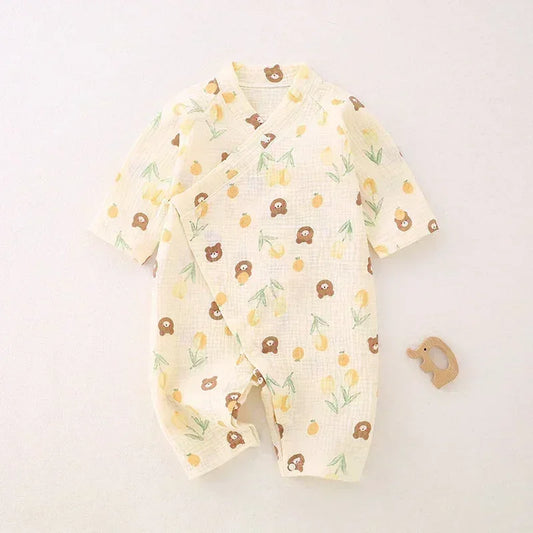
![[2-Pieces Set] 100% Cotton Long-Sleeve Kimono Romper - Blue & Blue Stripe](http://www.organiccottonclubs.com/cdn/shop/files/2_afd198b870f106588ecfc526d714b7a8.jpg?v=1764440625&width=533)


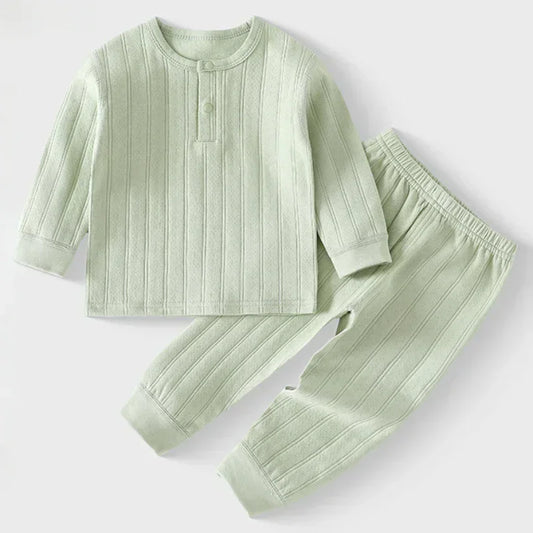
![[2-Pieces Set] 100% Cotton Long Sleeve Side-Snap Bodysuit - Pink & Pink Stripe](http://www.organiccottonclubs.com/cdn/shop/files/2_e34e329d03103a1ef2a830ed0f72d8f4.jpg?v=1759165907&width=533)
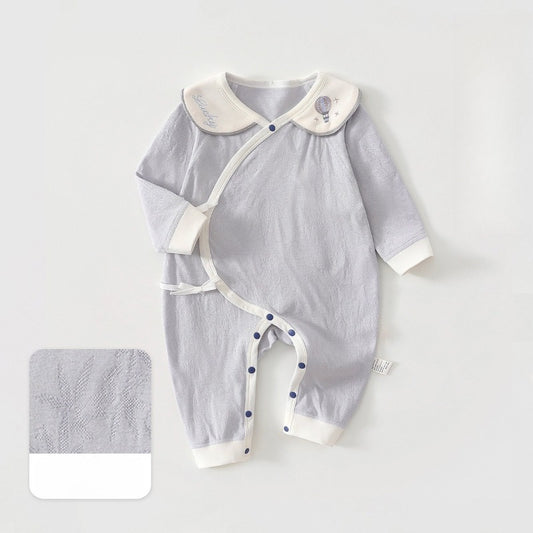
![[2-Pieces Set] 100% Cotton Long Sleeve Snapup Romper - Green & Green Stripe](http://www.organiccottonclubs.com/cdn/shop/files/4_dcde8d24f74c34bd214567f4011b27d7.jpg?v=1759166636&width=533)