


The Truth About Baby Skin Absorption: Why chemicals in clothes matter more than you think.
Share
Is Your Baby's Clothing Secretly Irritating Their Skin?
As a new parent, you spend hours researching the best strollers, the safest car seats, and the cleanest formula. But there is one thing that touches your baby 24/7 that often goes overlooked: their clothing. We often think of clothes as just a barrier, but for a newborn, fabric is an active participant in their health. Did you know that a baby's skin is up to 30% thinner than an adult's? This means their skin is more permeable, absorbing what it touches with alarming efficiency. This vulnerability is the hidden struggle of modern parenting—we want to protect them, yet we often wrap them in chemicals we cannot see.
The Agitating Reality: Why Cheap Materials Hurt
The fast-fashion industry thrives on low costs, which often translates to chemical-heavy manufacturing. Conventional cotton and synthetic blends are frequently treated with a cocktail of substances that don't just wash away in the first laundry cycle. When your baby sweats or moves, these chemicals can migrate from the fabric directly into their bloodstream. Consider the impact of hidden irritants: pesticides used in growing conventional cotton, formaldehyde used for 'wrinkle-free' finishes, and toxic azo dyes. These aren't just names on a list; they are known allergens and carcinogens that can cause contact dermatitis, disrupt hormones, and trigger eczema flare-ups in sensitive infants.
Specific Hazards in Everyday Baby Clothes
- Formaldehyde: Often used to prevent mildew during long shipping routes, it is a significant skin irritant.
- Flame Retardants: Frequently found in synthetic sleepwear, these chemicals are linked to developmental concerns.
- Heavy Metals: Found in cheap snaps and certain fabric dyes, these can be absorbed through the skin over time.
The Solution: Why Organic Cotton Benefits Every Baby
The good news is that you have the power to change your baby's environment. Switching to GOTS-certified organic cotton is the single most effective way to protect your baby's skin from the outside in. Organic cotton is grown without toxic synthetic pesticides and processed without the harsh finishes found in conventional garments. By choosing organic, you provide: 1. Superior Breathability to prevent heat rashes. 2. Purity of Fiber that is free from heavy metals and toxic dyes. 3. Peace of Mind knowing that every cuddle is chemical-free.
How to Start Your Organic Journey
You don't need to replace everything at once. Focus on the 'first layer'—items that have direct, prolonged contact with the skin like onesies, pajamas, and crib sheets. Look for the GOTS label to ensure the highest global standards for textile safety are met.
Final Thoughts on Baby Skin Safety
Your baby's skin is their first line of defense against the world. By choosing organic fabrics, you aren't just buying clothes; you are investing in their long-term health and comfort. The truth about skin absorption might be startling, but it empowers us to make better, safer choices for the ones we love most.
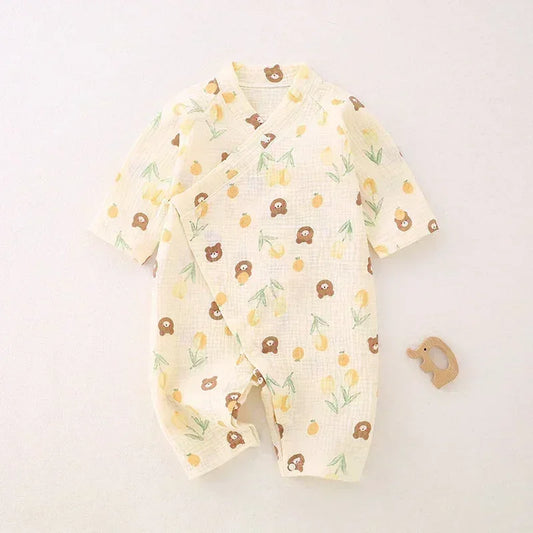
![[2-Pieces Set] 100% Cotton Long-Sleeve Kimono Romper - Blue & Blue Stripe](http://www.organiccottonclubs.com/cdn/shop/files/2_afd198b870f106588ecfc526d714b7a8.jpg?v=1764440625&width=533)


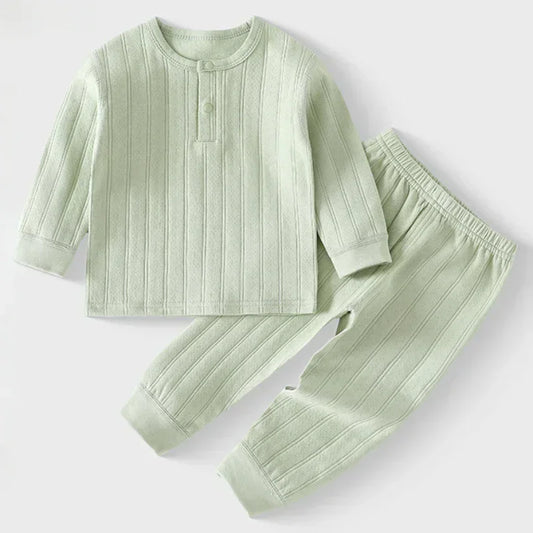
![[2-Pieces Set] 100% Cotton Long Sleeve Side-Snap Bodysuit - Pink & Pink Stripe](http://www.organiccottonclubs.com/cdn/shop/files/2_e34e329d03103a1ef2a830ed0f72d8f4.jpg?v=1759165907&width=533)
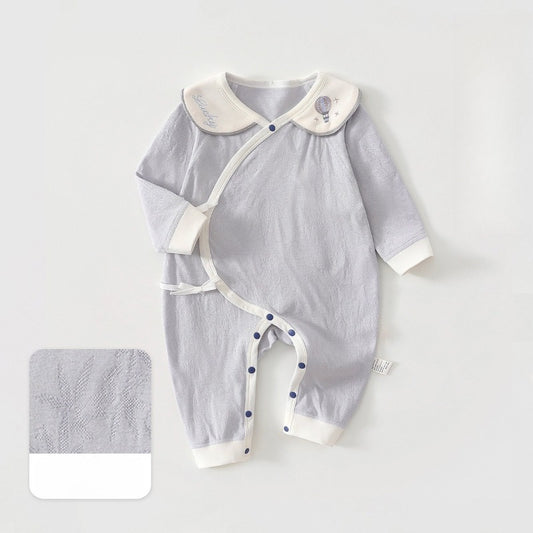
![[2-Pieces Set] 100% Cotton Long Sleeve Snapup Romper - Green & Green Stripe](http://www.organiccottonclubs.com/cdn/shop/files/4_dcde8d24f74c34bd214567f4011b27d7.jpg?v=1759166636&width=533)