

The Ultimate Baby Laundry Guide: 6 Steps to Remove Stains Naturally
Share
The Ultimate Baby Laundry Guide: 6 Steps to Remove Stains Naturally
There is a unique paradox in parenthood: the tiniest humans generate the largest piles of laundry. Between the inevitable milk spit-ups, diaper blowouts, and the creative mess of introducing solids, your favorite organic cotton onesies can quickly become a canvas of stains. While the instinct might be to reach for harsh chemical bleaches, delicate baby skin requires a gentler approach.
Babies have thinner, more permeable skin than adults, making them highly susceptible to irritation from synthetic fragrances and optical brighteners found in standard detergents. Furthermore, if you have invested in high-quality organic cotton clothing, you want to preserve the integrity of those natural fibers. Natural stain removal isn't just safer for your baby; it's often more effective at breaking down protein-based stains (like milk and formula) without damaging the fabric.
Why Organic Cotton Requires Special Care
Organic cotton is grown without toxic pesticides and processed without harsh chemical treatments. This makes it incredibly soft and breathable, but it also means the fibers are untreated and natural. Harsh chemicals like chlorine bleach can break down these fibers, leading to holes and roughness. The following guide focuses on nature's pantry to keep those clothes pristine and soft.
Step 1: The Immediate Rinse (Do Not Skip This!)
The golden rule of baby laundry is speed. As soon as a blowout or spill happens, remove the garment and rinse it under cold water. Hot water can cook protein stains (like breastmilk, formula, or blood) into the fibers, setting them permanently. Use a high-pressure faucet setting to push the stain out from the back of the fabric to the front.
Step 2: The Lemon & Sun Method
Nature's bleach is arguably the most effective tool in your arsenal. For stubborn yellow stains, squeeze fresh lemon juice directly onto the spot. Sprinkle a pinch of salt over the lemon juice to act as a gentle abrasive agent. Leave the garment in direct sunlight for 1-2 hours. The UV rays react with the citric acid to naturally bleach out discoloration without the toxicity of chlorine.
Step 3: The Baking Soda Paste
For more textured stains, like pureed carrots or sweet potatoes, baking soda is your best friend. Create a thick paste using 3 parts baking soda to 1 part water. Rub this paste gently into the stain using a soft toothbrush or your fingers. Let it sit for at least 30 minutes. Baking soda is mildly alkaline, which helps to lift dirt and grease while neutralizing odors.
Step 4: The White Vinegar Soak
Before throwing the clothes in the wash, consider a pre-soak for heavily soiled loads. Fill a basin with lukewarm water and add one cup of distilled white vinegar. Vinegar acts as a natural fabric softener and helps to break down mineral deposits and urine residues. Soak the clothes for 30-60 minutes. Don't worry about the smell; it vanishes completely once dried.
Step 5: The Gentle Wash Cycle
When it's time to wash, choose a gentle, fragrance-free, plant-based detergent. Select a delicate or gentle cycle on your washing machine. High agitation can stretch out tiny clothes and damage organic fibers. wash similar colors together and avoid overloading the machine to ensure thorough rinsing.
Step 6: Drying for Longevity
While the dryer is convenient, high heat is the enemy of organic cotton (and elastic waistbands). Whenever possible, line dry your baby clothes. Sunlight continues the sanitizing and whitening process. If you must use a dryer, use the lowest heat setting and consider using wool dryer balls instead of dryer sheets to reduce drying time and soften fabrics naturally.
Final Thoughts on Baby Laundry
Transitioning to a natural laundry routine might seem like extra work initially, but it quickly becomes second nature. Not only will you extend the life of your baby's wardrobe, but you will also create a safer, chemical-free environment for your little one to grow and play in. Those adorable outfits deserve the best care—and so does your baby's skin.
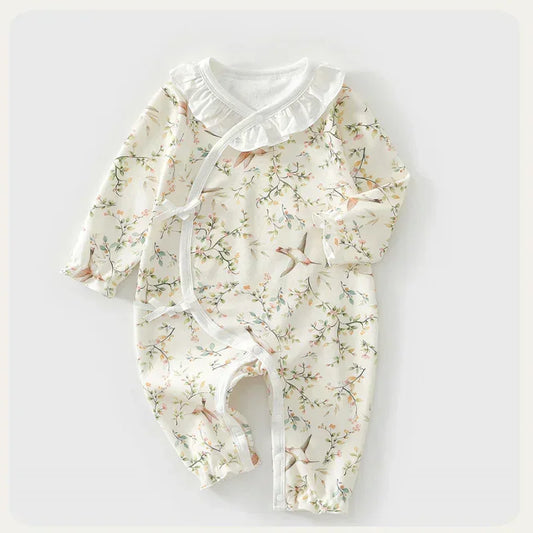
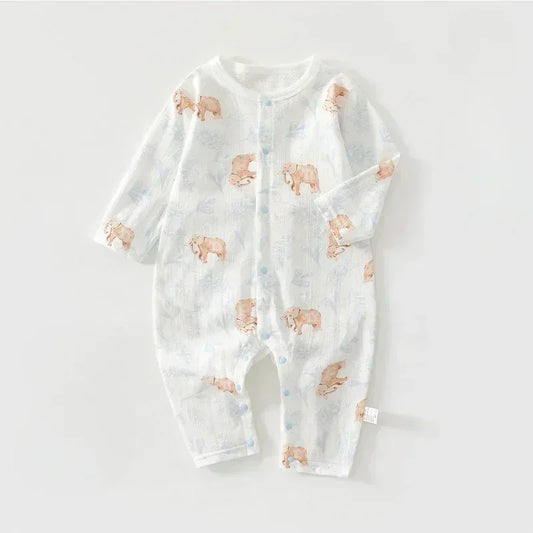
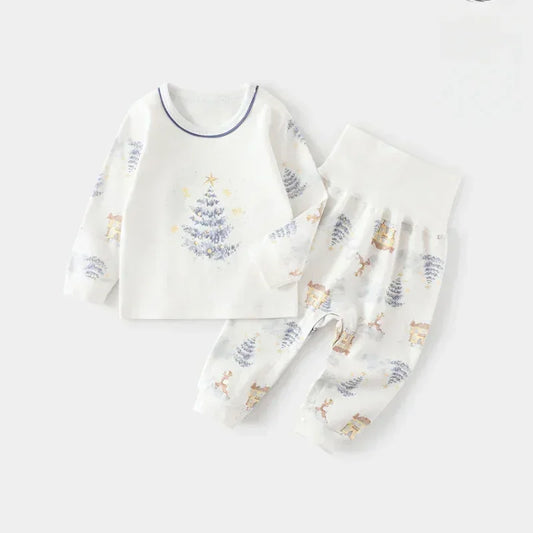
![[2-Pieces Set] 100% Cotton Long-Sleeve Kimono Romper - Blue & Blue Stripe](http://www.organiccottonclubs.com/cdn/shop/files/2_afd198b870f106588ecfc526d714b7a8.jpg?v=1764440625&width=533)


![[2-Pieces Set] 100% Cotton Long Sleeve Side-Snap Bodysuit - Pink & Pink Stripe](http://www.organiccottonclubs.com/cdn/shop/files/2_e34e329d03103a1ef2a830ed0f72d8f4.jpg?v=1759165907&width=533)
![[2-Pieces Set] 100% Cotton Long Sleeve Snapup Romper - Green & Green Stripe](http://www.organiccottonclubs.com/cdn/shop/files/4_dcde8d24f74c34bd214567f4011b27d7.jpg?v=1759166636&width=533)