


The Ultimate Carry-On Checklist: Flying with a Baby
Share
The Ultimate Carry-On Checklist: Flying with a Baby
Preparing for your first flight with a little one can feel like preparing for a cross-continental expedition. You aren't just packing a bag; you're packing a survival kit designed to keep your baby comfortable and your sanity intact. The cramped quarters of an airplane cabin present unique challenges, particularly when it comes to skin sensitivity and temperature regulation.
The Invisible Stress of Air Travel with Infants
Ask any parent about their first flight with a baby, and you'll likely hear a story of frantic searches for a lost pacifier or the dread of a mid-flight blowout. But beyond the logistical hurdles lies a subtle discomfort that many parents overlook: the cabin environment itself. Airplanes are notorious for fluctuating temperatures, recycled dry air, and harsh, abrasive surfaces. For a baby, these factors are amplified, leading to fussiness that no amount of shushing can fix.
Why Cheap, Synthetic Fabrics Can Ruin Your Journey
Many parents reach for standard baby clothes without a second thought, but at 30,000 feet, the choice of fabric becomes critical. Cheap, synthetic materials like polyester or low-grade nylon are designed for durability, not breathability. In the pressurized cabin, these fabrics can trap heat against your baby's delicate skin, leading to overheating and 'travel rashes.' The friction from moving around in a tight car seat or carrier against rough synthetic fibers can cause irritation, turning a baby into an inconsolable traveler. When your baby is uncomfortable, everyone on the plane knows it—adding a layer of agitation to an already stressful situation.
The Organic Solution: Why Material Matters
The secret to a peaceful flight often lies in what your baby is wearing. Transitioning to 100% organic cotton is a game-changer for traveling families. Organic cotton is naturally hypoallergenic and incredibly breathable, allowing for superior thermoregulation. Whether the cabin is freezing during boarding or stifling on the tarmac, organic fibers help keep your baby's body temperature stable. Benefits of choosing organic cotton for your carry-on essentials include:
- Extreme Softness: No harsh chemicals or pesticides mean the fibers remain long and smooth, preventing skin chafing.
- Breathability: Air flows freely, reducing the risk of overheating in crowded spaces.
- Absorbency: Organic cotton can wick away moisture, keeping your baby dry even if a diaper leak occurs.
- Durability: It stands up to the multiple washes required after a messy travel day.
The Essential Carry-On Checklist
To ensure you have everything you need, follow this curated list focused on comfort and utility:
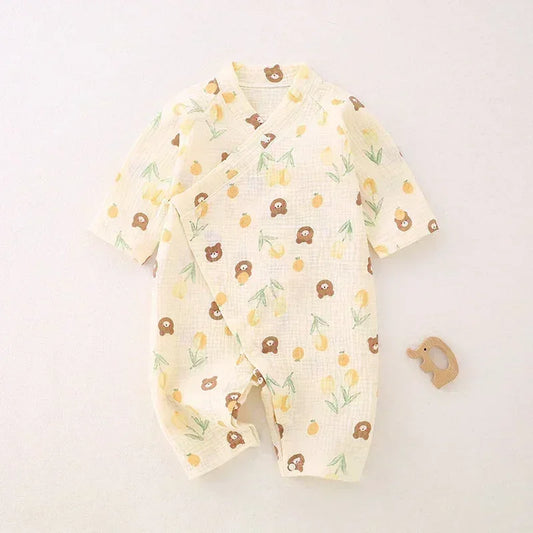
- Three Organic Cotton Onesies: Always pack more than you think you need. Spills and accidents happen, and having a fresh, soft change of clothes is vital.
- A Breathable Muslin Swaddle: Use it as a blanket, a nursing cover, or a clean surface for tummy time at the gate.
- Wet Bags: Essential for storing soiled clothing away from your clean items in a small space.
- Travel-Sized Zinc Cream and Wipes: Opt for fragrance-free, water-based options to avoid further skin irritation.
- Two Spare Pacifiers: Use a clip to ensure they don't fall onto the dirty airplane floor.
- Quiet Sensory Toys: Avoid loud electronics; soft plush toys made from organic fabrics are perfect for soothing and tactile engagement.
Final Thoughts
Flying with a baby doesn't have to be a battle. By prioritizing high-quality, organic materials and organizing your carry-on with intention, you create a soft, safe bubble for your little one. When your baby feels physically comfortable, they are more likely to rest, allowing you to actually enjoy the journey. Invest in quality fabrics and watch your travel experience transform from stressful to serene. Happy travels!
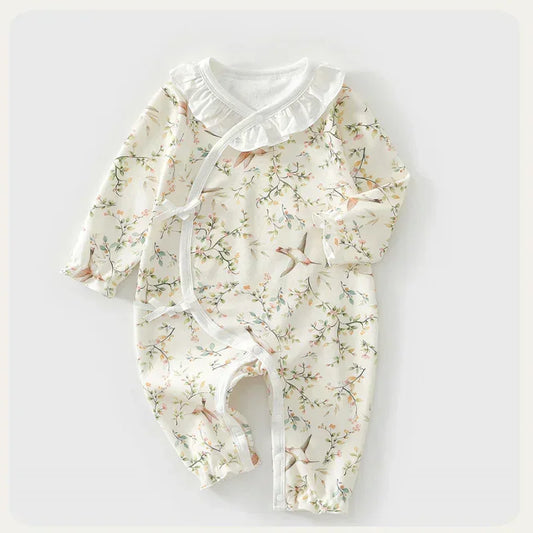
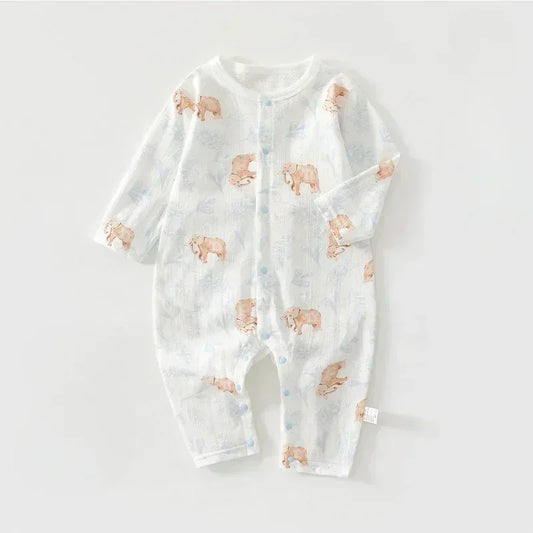
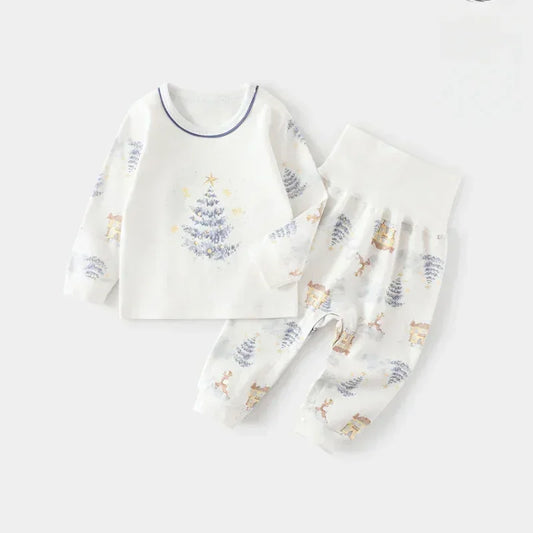
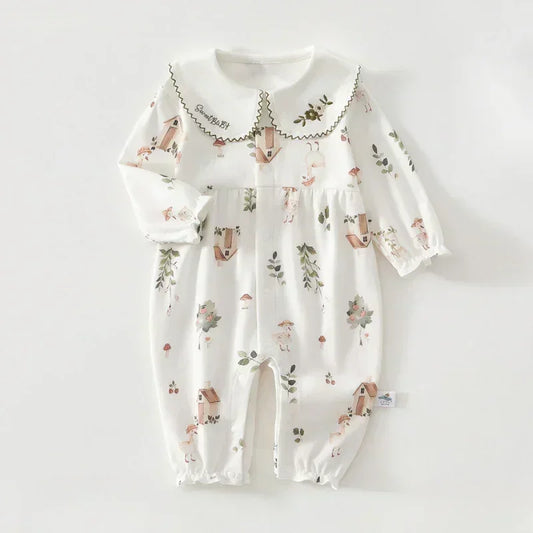
![[2-Pieces Set] 100% Cotton Long-Sleeve Kimono Romper - Blue & Blue Stripe](http://www.organiccottonclubs.com/cdn/shop/files/2_afd198b870f106588ecfc526d714b7a8.jpg?v=1764440625&width=533)


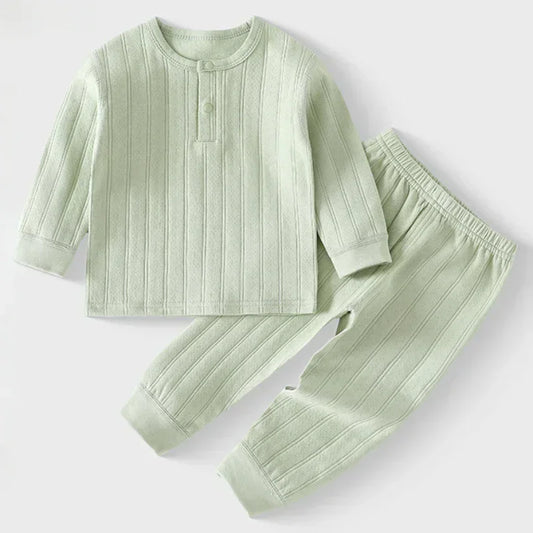
![[2-Pieces Set] 100% Cotton Long Sleeve Side-Snap Bodysuit - Pink & Pink Stripe](http://www.organiccottonclubs.com/cdn/shop/files/2_e34e329d03103a1ef2a830ed0f72d8f4.jpg?v=1759165907&width=533)
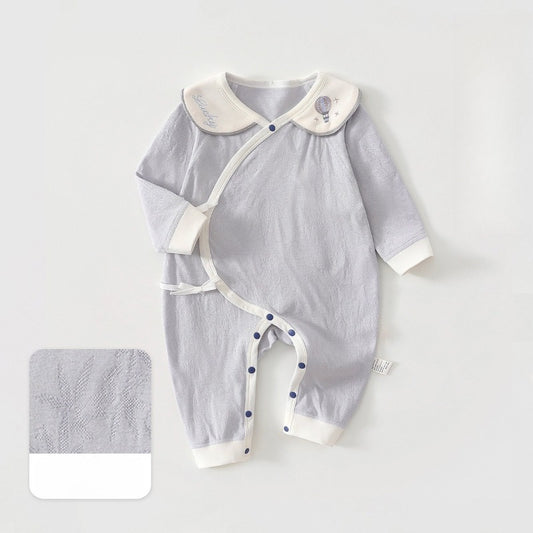
![[2-Pieces Set] 100% Cotton Long Sleeve Snapup Romper - Green & Green Stripe](http://www.organiccottonclubs.com/cdn/shop/files/4_dcde8d24f74c34bd214567f4011b27d7.jpg?v=1759166636&width=533)