


The Ultimate Temperature Guide: How to Layer for Sleep
Share
The Ultimate Temperature Guide: How to Layer for Sleep
It is 3:00 AM, and you are standing over your baby’s crib, wondering: 'Are they too cold? Are they overheating?' This is the universal parenting struggle. Sleep deprivation is hard enough, but the constant anxiety over nursery temperature and safe sleep layering can make those quiet hours feel like a high-stakes guessing game. We want our little ones to be 'just right,' but achieving that perfect balance is often easier said than done.
The Agitation: Why Cheap Fabrics Are Hurting Your Baby’s Sleep
Many parents reach for standard sleepwear without realizing that the material is just as important as the room temperature. Synthetic fabrics and cheap blends—often found in mass-market pajamas—are notorious for trapping heat. Because a baby’s body is still learning to regulate its own temperature, these non-breathable materials can lead to 'sweat-and-chill' cycles. Your baby overheats, sweats, and then becomes cold as the moisture sits against their skin. This discomfort leads to frequent wakings, fussiness, and a restless night for the whole family. Furthermore, harsh chemicals and synthetic dyes in low-quality fabrics can irritate sensitive skin, adding another layer of discomfort to an already delicate situation.
The Solution: Why Organic Cotton is the Gold Standard
When it comes to layering for sleep, organic cotton is the ultimate game-changer. Unlike synthetics, high-quality organic cotton is a natural, breathable fiber that works with your baby’s body, not against it. Here is why it belongs in every nursery:
- Superior Thermoregulation: Organic cotton allows air to circulate, helping to maintain a stable body temperature throughout the night.
- Moisture-Wicking: It naturally absorbs moisture, keeping your baby dry and comfortable even if the room temperature fluctuates.
- Hypoallergenic and Soft: Free from toxic pesticides and harsh flame retardants, organic cotton is gentle on the most sensitive skin.
- Durability: Organic fibers are stronger, meaning those essential sleep layers will survive the endless wash cycles of parenthood.
The Layering Cheat Sheet: Temperature vs. Attire
To help you navigate the changing seasons, use this guide as your foundation. Remember to always check your baby’s chest or the back of their neck—their hands and feet are naturally cooler and not a reliable indicator of core warmth.
Warm Rooms (24°C / 75°F +): A simple organic cotton short-sleeve bodysuit or just a lightweight 0.5 TOG swaddle is usually sufficient.
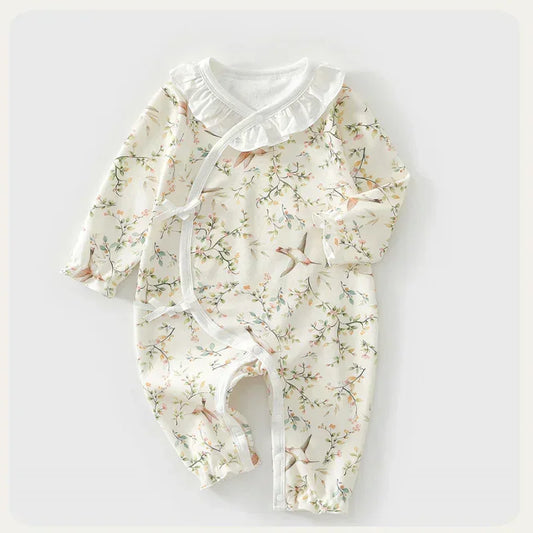
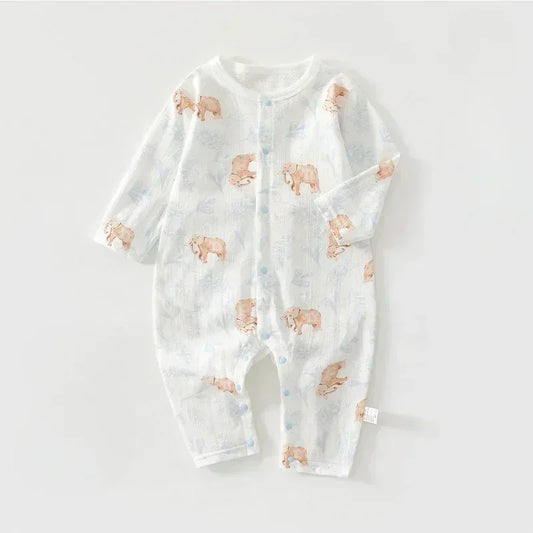
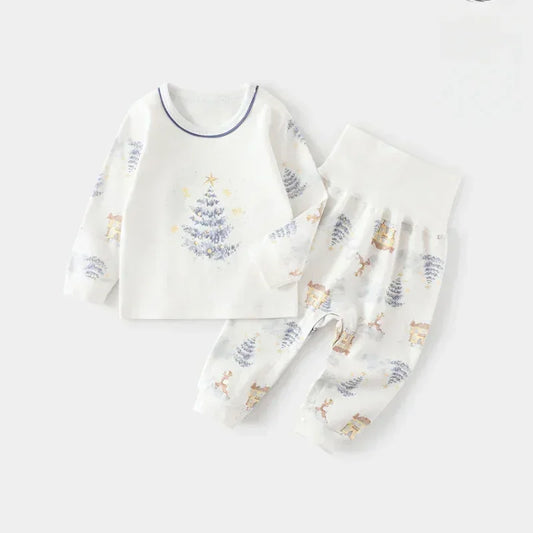
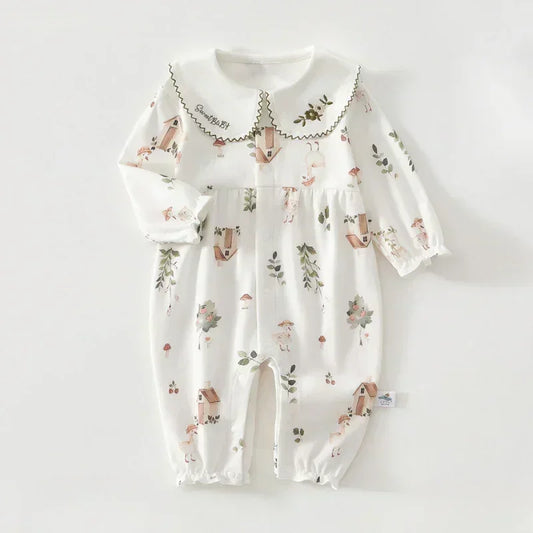
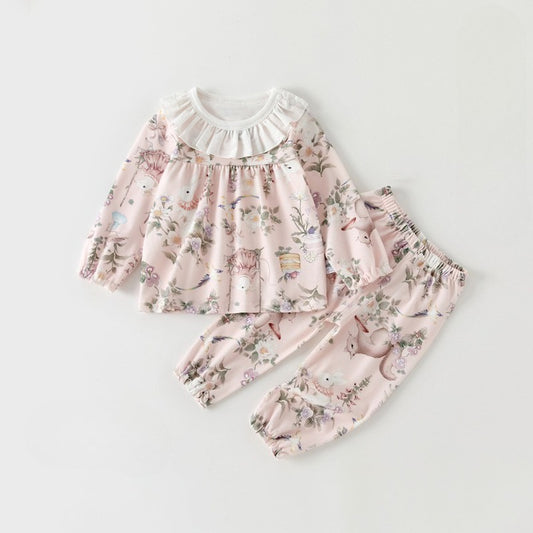
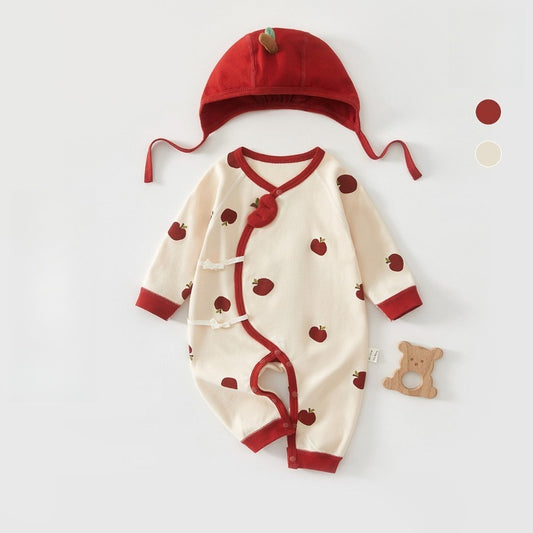
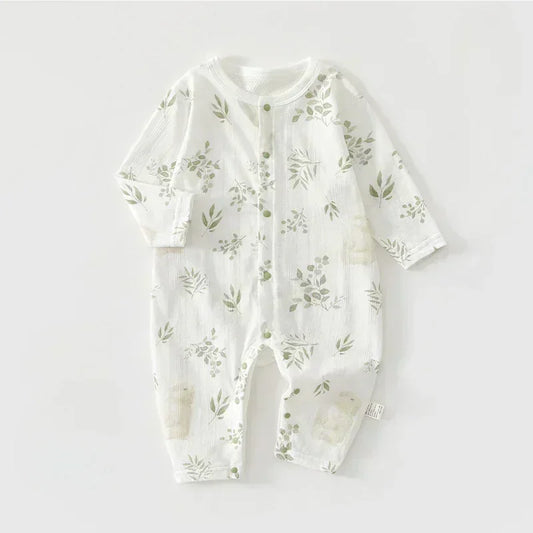
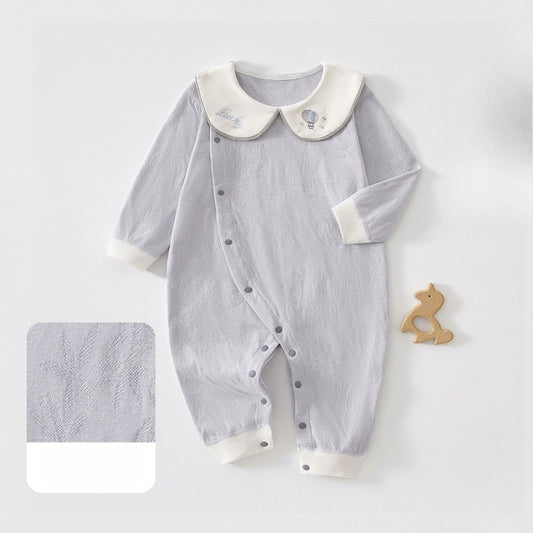
Ideal Rooms (20-22°C / 68-72°F): A long-sleeve organic cotton sleepsuit paired with a 1.0 TOG sleep bag provides the perfect level of cozy security.
Cool Rooms (16-18°C / 61-64°F): Layering is key here. Start with an organic cotton bodysuit, add a long-sleeve sleepsuit, and finish with a 2.5 TOG sleep bag.
Final Thoughts
Choosing the right layers for your baby’s sleep isn’t just about comfort; it is about peace of mind. By investing in high-quality organic cotton and understanding the basics of temperature regulation, you are creating a safe, breathable environment that encourages longer, deeper sleep. When your baby sleeps better, you sleep better. Let’s trade the midnight guesswork for a rested, happy morning.
![[2-Pieces Set] 100% Cotton Long-Sleeve Kimono Romper - Blue & Blue Stripe](http://www.organiccottonclubs.com/cdn/shop/files/2_afd198b870f106588ecfc526d714b7a8.jpg?v=1764440625&width=533)


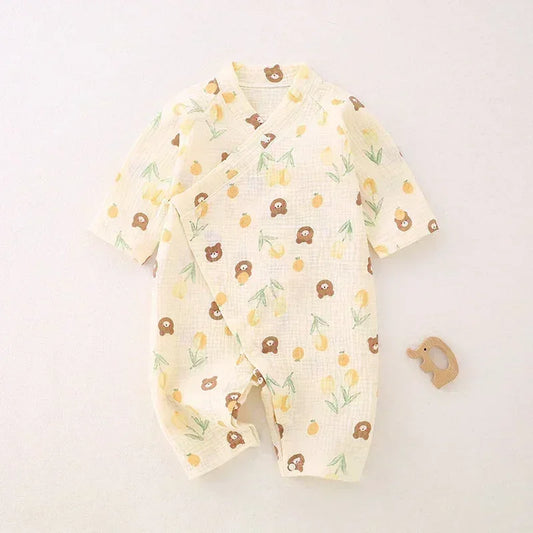
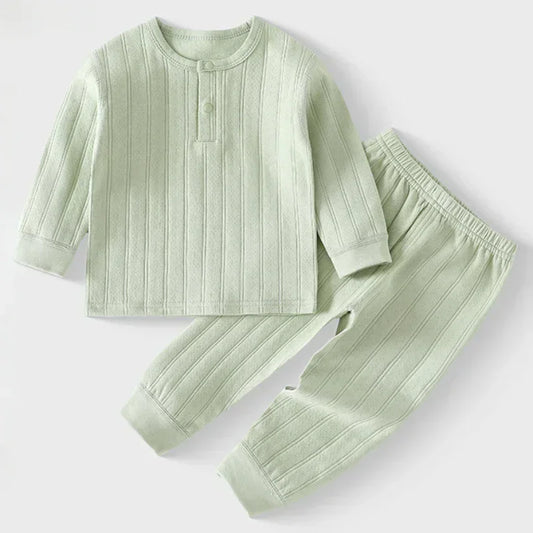
![[2-Pieces Set] 100% Cotton Long Sleeve Side-Snap Bodysuit - Pink & Pink Stripe](http://www.organiccottonclubs.com/cdn/shop/files/2_e34e329d03103a1ef2a830ed0f72d8f4.jpg?v=1759165907&width=533)
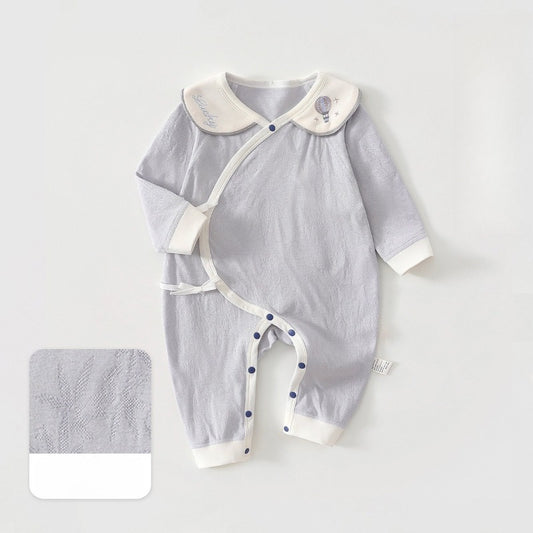
![[2-Pieces Set] 100% Cotton Long Sleeve Snapup Romper - Green & Green Stripe](http://www.organiccottonclubs.com/cdn/shop/files/4_dcde8d24f74c34bd214567f4011b27d7.jpg?v=1759166636&width=533)