

Things I Wish I Knew Before Buying Baby Gear
Share
The Expensive Reality of Baby Gear Regret
Walking into a baby store feels like entering a high-stakes maze where every flashing light and 'must-have' gadget claims to be the secret to a sleeping infant. Most new parents spend thousands on a nursery that looks like a catalog but functions like a warehouse. The problem is simple: we are conditioned to believe that more gear equals better parenting. In reality, the overwhelm of choice leads to a cluttered home and a depleted bank account before the baby even arrives. We buy for the 'what if' scenarios rather than the daily reality of newborn life.
The Agitation: Why Cheap Materials and Over-Buying Hurt
The frustration truly sets in at 3 AM. You realize that the 'adorable' polyester-blend sleep sack you bought is causing your baby to overheat, leading to a frantic, sweaty wake-up call. Cheaply made plastics and synthetic fabrics aren't just a budget issue; they are a comfort and safety concern. Many mass-produced baby items are treated with harsh chemicals or flame retardants that can irritate a newborn's sensitive skin, leading to mysterious rashes and agitation. Moreover, the 'buy-it-twice' syndrome is real. That flimsy stroller or the bargain-bin crib mattress often ends up in a landfill within six months, forcing you to spend even more money on the quality item you should have bought in the first place.
The Solution: The Power of Organic Cotton and Minimalism
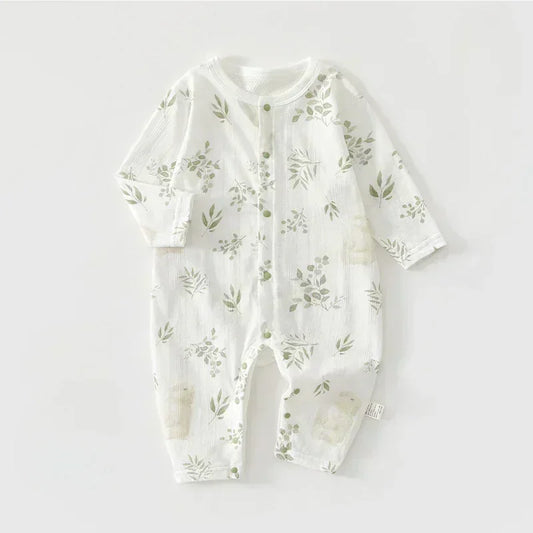
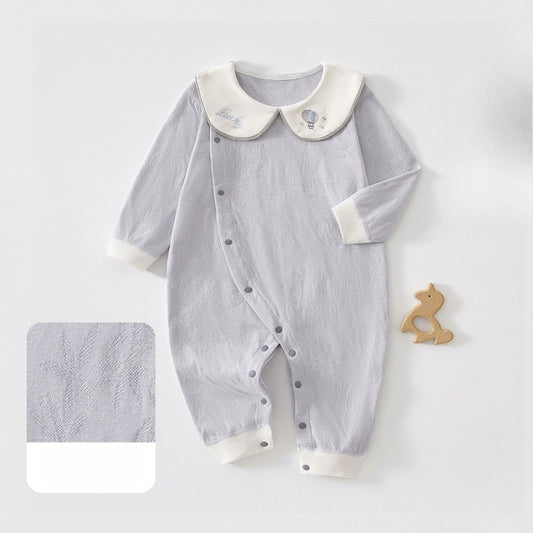
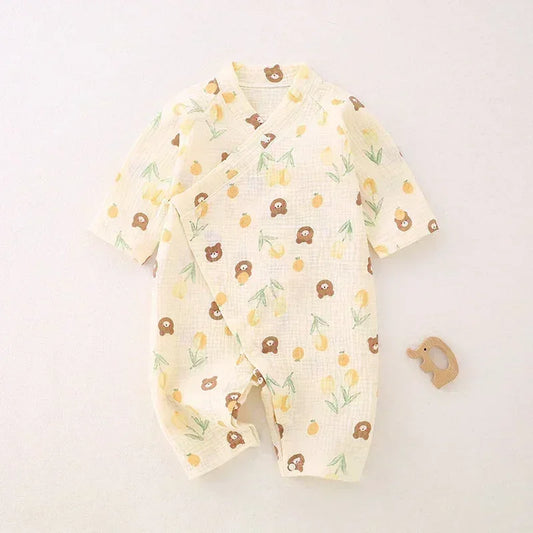
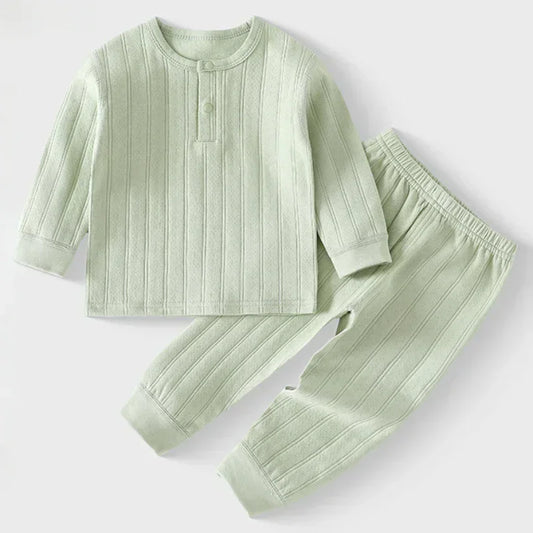
The secret that seasoned parents eventually learn is that less is almost always more—provided that 'less' is of superior quality. Transitioning to a philosophy of 'Quality Over Quantity' changes everything. This is where organic cotton becomes your best friend. Choosing GOTS-certified organic cotton for items that touch your baby's skin—swaddles, onesies, and bedding—ensures breathability and safety. Organic cotton is grown without toxic pesticides and processed without harmful dyes, making it hypoallergenic and incredibly soft. It holds up through hundreds of washes, actually getting softer over time, which means it can be passed down to siblings or sold in the circular economy.
Crucial Tips for Smart Baby Gear Shopping
- Prioritize the 'Touch Points': Anything that stays in constant contact with your baby (mattresses, clothing, rugs) should be made from natural, organic fibers like cotton or wool to regulate temperature and prevent skin irritation.
- Seek Multi-Functionality: Look for gear that evolves. A crib that converts to a toddler bed or a high chair that becomes a booster seat provides long-term value and reduces waste.
- Check the Certifications: Don't just trust the word 'natural'. Look for GOTS (Global Organic Textile Standard) and OEKO-TEX labels to ensure the products are free from harmful substances.
- The 48-Hour Rule: Before hitting 'buy' on a trendy gadget, wait 48 hours. Most 'must-haves' are marketing-driven and not essential for your baby's development.
Invest in the Essentials
Focus your budget on a high-quality stroller with good suspension, a firm and breathable organic mattress, and a capsule wardrobe of organic cotton basics. These are the items that impact your daily ease of use and your baby's physical comfort. By stripping away the noise of the 'gadget culture,' you create a calm, toxin-free environment where your family can actually thrive without the clutter.
Final Thoughts
I wish I knew that my baby didn't need a perfectly themed room or twenty different types of pacifiers. They needed a safe place to sleep, soft fabrics against their skin, and parents who weren't stressed by a mounting credit card bill. When you choose organic and intentional gear, you aren't just buying products; you are buying peace of mind and long-lasting comfort. Start small, choose organic, and remember that the best gear is the kind that supports your lifestyle rather than dictating it.
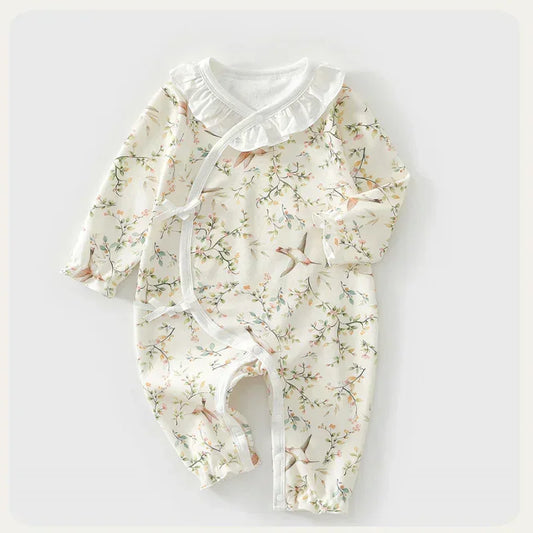
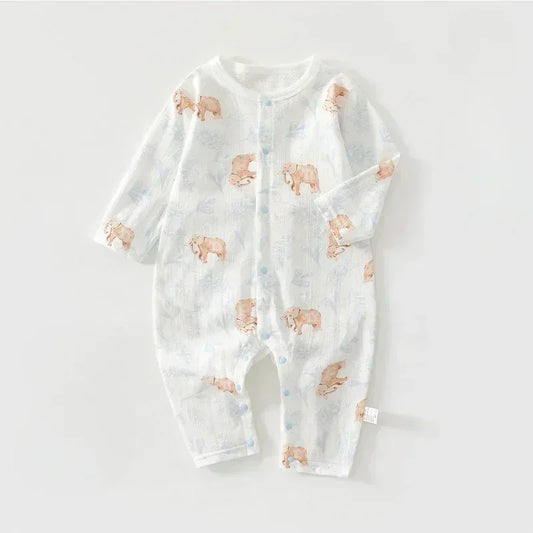
![[2-Pieces Set] 100% Cotton Long-Sleeve Kimono Romper - Blue & Blue Stripe](http://www.organiccottonclubs.com/cdn/shop/files/2_afd198b870f106588ecfc526d714b7a8.jpg?v=1764440625&width=533)


![[2-Pieces Set] 100% Cotton Long Sleeve Side-Snap Bodysuit - Pink & Pink Stripe](http://www.organiccottonclubs.com/cdn/shop/files/2_e34e329d03103a1ef2a830ed0f72d8f4.jpg?v=1759165907&width=533)
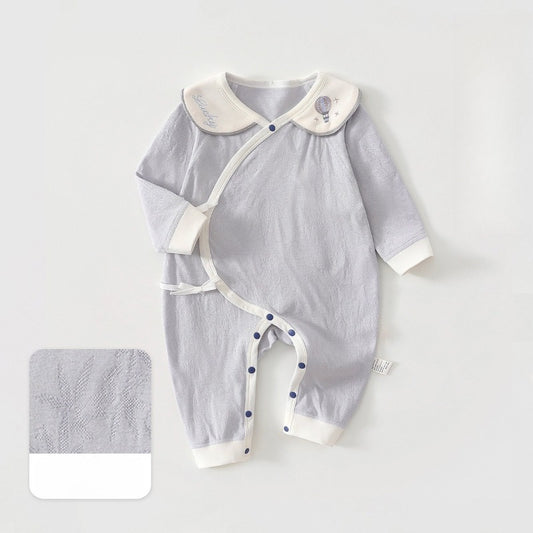
![[2-Pieces Set] 100% Cotton Long Sleeve Snapup Romper - Green & Green Stripe](http://www.organiccottonclubs.com/cdn/shop/files/4_dcde8d24f74c34bd214567f4011b27d7.jpg?v=1759166636&width=533)